
Painting Head of a Black Bull - Jacques-Raymond Brascassat | Art print


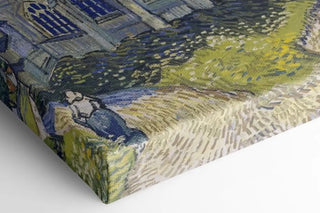
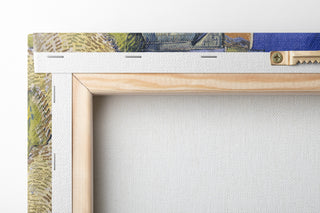
View from behind
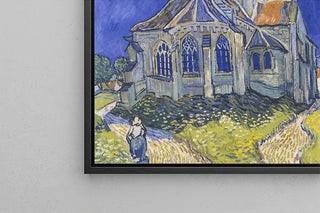
Frame (optional)
Art print Tête de bœuf noir - Jacques-Raymond Brascassat – Captivating introduction
In the fascinating world of animal art, the work "Tête de bœuf noir" by Jacques-Raymond Brascassat stands out for its depth and intensity. Capturing the very essence of bovine majesty, this piece invites the viewer to immerse themselves in a world where nature and art meet with striking harmony. The depiction of a black ox, a symbol of strength and robustness, evokes rural landscapes filled with serenity and power. Through this work, Brascassat manages to transcend mere animal representation to offer a reflection on the raw beauty of nature.
Style and uniqueness of the work
Jacques-Raymond Brascassat's style is characterized by striking realism, where every detail is meticulously crafted to pay homage to the beauty of the animals he depicts. In "Tête de bœuf noir," the texture of the coat, the depth of shadows, and the shine of the eyes are all elements that demonstrate his technical skill. The artist plays with light to create an almost tangible atmosphere, where the viewer can almost feel the presence of the animal. The composition is both simple and powerful, highlighting the majesty of the head of the ox while revealing a certain gentleness in the animal's gaze. This duality between strength and delicacy is what makes the work so captivating, inviting prolonged contemplation and the search for subtle nuances and hidden details.
The artist and his influence
Jacques-Raymond Brascassat, born in 1804, is an iconic figure in 19th-century animal art. His work is part of a movement where nature is celebrated and where the depiction of animals becomes a true artistic quest. Influenced by the great masters of his time, Brascassat developed a personal style that combines precision and expressiveness. His passion for faithful representation of animals, especially oxen and horses, reflects a deep admiration for rural life and its traditions. Through his works, he contributed to elevating animal art to the rank of major art, inspiring many artists to follow in his footsteps. The impact of his
Painting Head of a Black Bull - Jacques-Raymond Brascassat | Art print

-10% FROM €95 IN PURCHASES
-15% FROM €195 IN PURCHASES
Regular price
- Unit price
- per
Tax included.
Free shipping
€4.90 / Free shipping on orders over €39
Satisfied or Money Back
Free returns within 30 days
10-year warranty
Our prints are guaranteed for 10 years
Any questions? We are here!
by email to contact@artemlegrand.com
THE STEPS OF YOUR ORDER
STEP 1 - ORDER PLACED
Your order has been confirmed and we are starting production
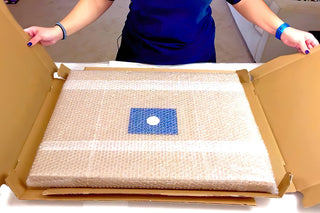
STEP 2 - SHIPPING
We ship your order. We send you an email to track the progress

STEP 3 - DELIVERY
You receive your order. You can also, according to your choice, be delivered to a relay point.
Matte finish
View from behind
Frame (optional)
Art print Tête de bœuf noir - Jacques-Raymond Brascassat – Captivating introduction
In the fascinating world of animal art, the work "Tête de bœuf noir" by Jacques-Raymond Brascassat stands out for its depth and intensity. Capturing the very essence of bovine majesty, this piece invites the viewer to immerse themselves in a world where nature and art meet with striking harmony. The depiction of a black ox, a symbol of strength and robustness, evokes rural landscapes filled with serenity and power. Through this work, Brascassat manages to transcend mere animal representation to offer a reflection on the raw beauty of nature.
Style and uniqueness of the work
Jacques-Raymond Brascassat's style is characterized by striking realism, where every detail is meticulously crafted to pay homage to the beauty of the animals he depicts. In "Tête de bœuf noir," the texture of the coat, the depth of shadows, and the shine of the eyes are all elements that demonstrate his technical skill. The artist plays with light to create an almost tangible atmosphere, where the viewer can almost feel the presence of the animal. The composition is both simple and powerful, highlighting the majesty of the head of the ox while revealing a certain gentleness in the animal's gaze. This duality between strength and delicacy is what makes the work so captivating, inviting prolonged contemplation and the search for subtle nuances and hidden details.
The artist and his influence
Jacques-Raymond Brascassat, born in 1804, is an iconic figure in 19th-century animal art. His work is part of a movement where nature is celebrated and where the depiction of animals becomes a true artistic quest. Influenced by the great masters of his time, Brascassat developed a personal style that combines precision and expressiveness. His passion for faithful representation of animals, especially oxen and horses, reflects a deep admiration for rural life and its traditions. Through his works, he contributed to elevating animal art to the rank of major art, inspiring many artists to follow in his footsteps. The impact of his
12,34 €