
Art print of the Beggar receiving alms from a lady - Pieter Bartholomeusz Barbiers | Art print


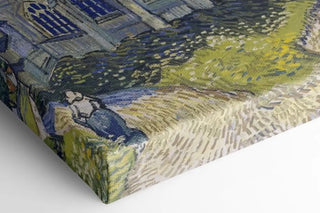
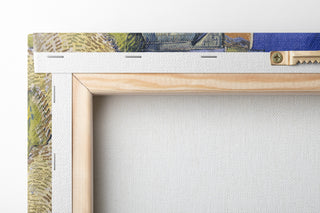
View from behind
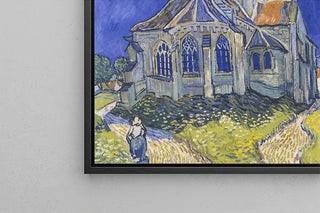
Frame (optional)
In the vast panorama of art history, certain works stand out for their ability to capture moments of human generosity and compassion. The art print Mendiant recevant l'aumône d'une dame - Pieter Bartholomeusz Barbiers is one of those masterpieces that evoke deep reflection on the human condition. This painting, both sober and emotive, immerses us in a scene from 17th-century daily life, where charity and empathy manifest through a simple exchange between two protagonists. The artist, through his skillful play with light and colors, manages to create an atmosphere imbued with delicacy and tenderness, inviting the viewer to contemplate the very essence of humanity.
Style and uniqueness of the work
Pieter Bartholomeusz Barbiers' style is characterized by a realistic and touching depiction of human figures. In this piece, the beggar, the central figure, is portrayed with poignant expressiveness, his features marked by fatigue and vulnerability, while the lady, dressed elegantly, embodies kindness and generosity. The composition is carefully balanced, each element of the scene contributing to the visual storytelling. The play of shadow and light, typical of chiaroscuro, adds an almost theatrical dimension to the scene, highlighting the characters' emotions and creating a striking contrast between wealth and poverty. This stylistic choice allows Barbiers to transcend mere representation to offer a true reflection on the society of his time, inviting the viewer to question power dynamics and solidarity.
The artist and his influence
Pieter Bartholomeusz Barbiers, a Dutch painter of the 17th century, is often recognized for his ability to capture moments of daily life with rare emotional depth. Trained within the artistic context of the Dutch Golden Age, he absorbed influences from his contemporaries while developing a personal style. His works are often marked by meticulous attention to detail and a particular sensitivity to interactions.
Art print of the Beggar receiving alms from a lady - Pieter Bartholomeusz Barbiers | Art print

-10% FROM €95 IN PURCHASES
-15% FROM €195 IN PURCHASES
Regular price
- Unit price
- per
Tax included.
Free shipping
€4.90 / Free shipping on orders over €39
Satisfied or Money Back
Free returns within 30 days
10-year warranty
Our prints are guaranteed for 10 years
Any questions? We are here!
by email to contact@artemlegrand.com
THE STEPS OF YOUR ORDER

STEP 1 - ORDER PLACED
Your order has been confirmed and we are starting production
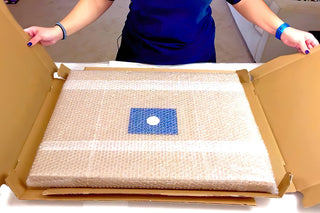
STEP 2 - SHIPPING
We ship your order. We send you an email to track the progress

STEP 3 - DELIVERY
You receive your order. You can also, according to your choice, be delivered to a relay point.
Matte finish
View from behind
Frame (optional)
In the vast panorama of art history, certain works stand out for their ability to capture moments of human generosity and compassion. The art print Mendiant recevant l'aumône d'une dame - Pieter Bartholomeusz Barbiers is one of those masterpieces that evoke deep reflection on the human condition. This painting, both sober and emotive, immerses us in a scene from 17th-century daily life, where charity and empathy manifest through a simple exchange between two protagonists. The artist, through his skillful play with light and colors, manages to create an atmosphere imbued with delicacy and tenderness, inviting the viewer to contemplate the very essence of humanity.
Style and uniqueness of the work
Pieter Bartholomeusz Barbiers' style is characterized by a realistic and touching depiction of human figures. In this piece, the beggar, the central figure, is portrayed with poignant expressiveness, his features marked by fatigue and vulnerability, while the lady, dressed elegantly, embodies kindness and generosity. The composition is carefully balanced, each element of the scene contributing to the visual storytelling. The play of shadow and light, typical of chiaroscuro, adds an almost theatrical dimension to the scene, highlighting the characters' emotions and creating a striking contrast between wealth and poverty. This stylistic choice allows Barbiers to transcend mere representation to offer a true reflection on the society of his time, inviting the viewer to question power dynamics and solidarity.
The artist and his influence
Pieter Bartholomeusz Barbiers, a Dutch painter of the 17th century, is often recognized for his ability to capture moments of daily life with rare emotional depth. Trained within the artistic context of the Dutch Golden Age, he absorbed influences from his contemporaries while developing a personal style. His works are often marked by meticulous attention to detail and a particular sensitivity to interactions.
12,34 €