
Painting Beach Study - Henry Scott Tuke | Art print


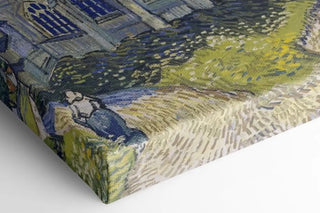
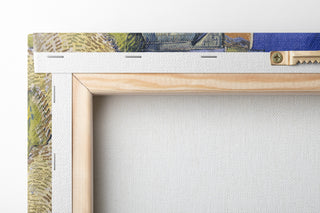
View from behind
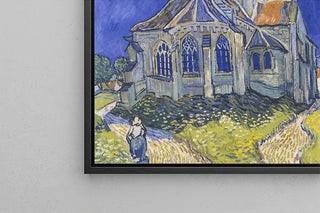
Frame (optional)
Reproduction of "Beach Study" by British painter Henry Scott Tuke evokes an atmosphere of serenity and freedom, capturing the essence of simple pleasures during summer life. In this canvas, Tuke transports us to the shoreline, where sunlight dances on the waves and human figures blend harmoniously with the surrounding nature. The scene, imbued with realism, invites the viewer to feel the warmth of the day and the gentle murmur of the sea, as if one could almost hear the sound of the waves and feel the sand beneath their feet. This work, both intimate and universal, reminds us of the fleeting beauty of moments spent by the water, while celebrating the beauty of the human body in a natural setting.
Style and uniqueness of the work
Tuke's style is distinguished by his mastery of light and color, characteristic of the Impressionist movement with which he was often associated. In "Beach Study," delicate shades of blue and yellow create a luminous atmosphere, where each brushstroke seems to vibrate under the sun. The human figures, though stylized, are depicted with meticulous attention to detail, capturing natural poses and expressions of joy. The artist also uses plays of shadow and light to add depth to the composition, thus accentuating the sense of movement and life. This painting, through its dynamic approach and vibrant palette, embodies an optimistic and celebratory vision of summer, while demonstrating the capacity of art to immortalize fleeting moments.
The artist and his influence
Henry Scott Tuke, born in 1858 in Falmouth, is often recognized for his depictions of coastal life and youth. His passion for the sea and nature is reflected in many works, where he explores themes of beauty, freedom, and escape. Tuke was influenced by the marine landscapes of his childhood, and his work is marked by a unique sensitivity towards the human body, often portrayed in relaxed and natural poses. As a member of the Newlyn School, he contributed to the emergence of a new artistic style in Great Britain.
Painting Beach Study - Henry Scott Tuke | Art print

-10% FROM €95 IN PURCHASES
-15% FROM €195 IN PURCHASES
Regular price
- Unit price
- per
Tax included.
Free shipping
€4.90 / Free shipping on orders over €39
Satisfied or Money Back
Free returns within 30 days
10-year warranty
Our prints are guaranteed for 10 years
Any questions? We are here!
by email to contact@artemlegrand.com
THE STEPS OF YOUR ORDER

STEP 1 - ORDER PLACED
Your order has been confirmed and we are starting production
STEP 2 - SHIPPING
We ship your order. We send you an email to track the progress

STEP 3 - DELIVERY
You receive your order. You can also, according to your choice, be delivered to a relay point.
Matte finish
View from behind
Frame (optional)
Reproduction of "Beach Study" by British painter Henry Scott Tuke evokes an atmosphere of serenity and freedom, capturing the essence of simple pleasures during summer life. In this canvas, Tuke transports us to the shoreline, where sunlight dances on the waves and human figures blend harmoniously with the surrounding nature. The scene, imbued with realism, invites the viewer to feel the warmth of the day and the gentle murmur of the sea, as if one could almost hear the sound of the waves and feel the sand beneath their feet. This work, both intimate and universal, reminds us of the fleeting beauty of moments spent by the water, while celebrating the beauty of the human body in a natural setting.
Style and uniqueness of the work
Tuke's style is distinguished by his mastery of light and color, characteristic of the Impressionist movement with which he was often associated. In "Beach Study," delicate shades of blue and yellow create a luminous atmosphere, where each brushstroke seems to vibrate under the sun. The human figures, though stylized, are depicted with meticulous attention to detail, capturing natural poses and expressions of joy. The artist also uses plays of shadow and light to add depth to the composition, thus accentuating the sense of movement and life. This painting, through its dynamic approach and vibrant palette, embodies an optimistic and celebratory vision of summer, while demonstrating the capacity of art to immortalize fleeting moments.
The artist and his influence
Henry Scott Tuke, born in 1858 in Falmouth, is often recognized for his depictions of coastal life and youth. His passion for the sea and nature is reflected in many works, where he explores themes of beauty, freedom, and escape. Tuke was influenced by the marine landscapes of his childhood, and his work is marked by a unique sensitivity towards the human body, often portrayed in relaxed and natural poses. As a member of the Newlyn School, he contributed to the emergence of a new artistic style in Great Britain.
12,34 €