
Painting Bad News - Vincenzo Irolli | Art print


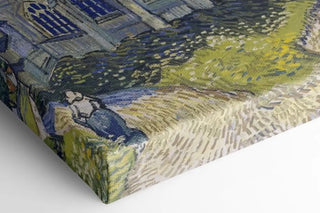
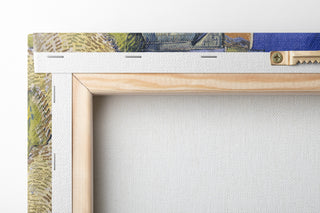
View from behind
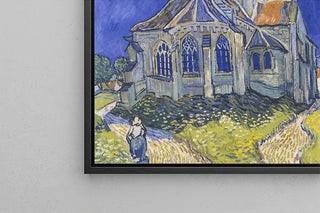
Frame (optional)
In the fascinating world of painting, some artworks manage to capture the very essence of human emotion. "Mauvaises nouvelles" by Vincenzo Irolli is one of those creations that transcends the simple frame of painting to immerse the viewer in a poignant story. This piece, subtly evoking melancholy and sadness, invites us to reflect on the nature of human communication and the often difficult messages we must face. Through the gaze of the characters, Irolli transports us to a world where silence speaks louder than words, where every detail matters, and where each shadow tells a story.
Style and uniqueness of the work
Vincenzo Irolli's style is distinguished by an exceptional mastery of color and light. In "Mauvaises nouvelles," dark hues and striking contrasts create an atmosphere of palpable tension. The faces of the protagonists, imbued with deep intensity, express a range of emotions from sadness to resignation. Irolli excels in depicting human expressions, and this piece is no exception. The composition, carefully orchestrated, guides the viewer’s eye through the scene, gradually revealing the nuances of the narrative. Every brushstroke seems loaded with meaning, and the overall work exudes an emotional power that leaves no one indifferent.
The artist and his influence
Vincenzo Irolli, an Italian painter of the late 19th century, made his mark by his unique approach to art. Trained at the Academy of Fine Arts in Naples, Irolli was influenced by the realist movement, but he also incorporated elements of symbolism into his works. His interest in social and psychological themes is reflected in "Mauvaises nouvelles," where he addresses universal subjects such as suffering, communication, and human connection. The artist established himself as a major figure in the artistic landscape of his time, and his legacy endures through his works, which continue to inspire many contemporary artists. Irolli was able to capture fleeting moments of everyday life, transforming banality into art, and his influence is still felt today.
Painting Bad News - Vincenzo Irolli | Art print

-10% FROM €95 IN PURCHASES
-15% FROM €195 IN PURCHASES
Regular price
- Unit price
- per
Tax included.
Free shipping
€4.90 / Free shipping on orders over €39
Satisfied or Money Back
Free returns within 30 days
10-year warranty
Our prints are guaranteed for 10 years
Any questions? We are here!
by email to contact@artemlegrand.com
THE STEPS OF YOUR ORDER
STEP 1 - ORDER PLACED
Your order has been confirmed and we are starting production
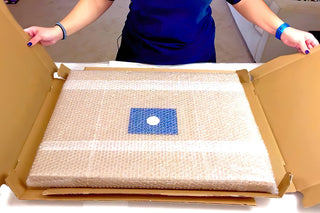
STEP 2 - SHIPPING
We ship your order. We send you an email to track the progress

STEP 3 - DELIVERY
You receive your order. You can also, according to your choice, be delivered to a relay point.
Matte finish
View from behind
Frame (optional)
In the fascinating world of painting, some artworks manage to capture the very essence of human emotion. "Mauvaises nouvelles" by Vincenzo Irolli is one of those creations that transcends the simple frame of painting to immerse the viewer in a poignant story. This piece, subtly evoking melancholy and sadness, invites us to reflect on the nature of human communication and the often difficult messages we must face. Through the gaze of the characters, Irolli transports us to a world where silence speaks louder than words, where every detail matters, and where each shadow tells a story.
Style and uniqueness of the work
Vincenzo Irolli's style is distinguished by an exceptional mastery of color and light. In "Mauvaises nouvelles," dark hues and striking contrasts create an atmosphere of palpable tension. The faces of the protagonists, imbued with deep intensity, express a range of emotions from sadness to resignation. Irolli excels in depicting human expressions, and this piece is no exception. The composition, carefully orchestrated, guides the viewer’s eye through the scene, gradually revealing the nuances of the narrative. Every brushstroke seems loaded with meaning, and the overall work exudes an emotional power that leaves no one indifferent.
The artist and his influence
Vincenzo Irolli, an Italian painter of the late 19th century, made his mark by his unique approach to art. Trained at the Academy of Fine Arts in Naples, Irolli was influenced by the realist movement, but he also incorporated elements of symbolism into his works. His interest in social and psychological themes is reflected in "Mauvaises nouvelles," where he addresses universal subjects such as suffering, communication, and human connection. The artist established himself as a major figure in the artistic landscape of his time, and his legacy endures through his works, which continue to inspire many contemporary artists. Irolli was able to capture fleeting moments of everyday life, transforming banality into art, and his influence is still felt today.
12,34 €