
Portrait of the artist's wife with her two eldest children, circa 1528 - Hans Holbein the Elder | Art print


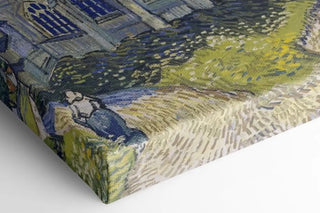
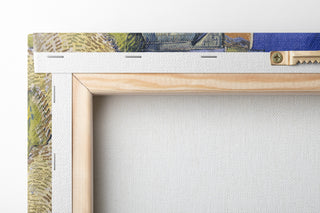
View from behind
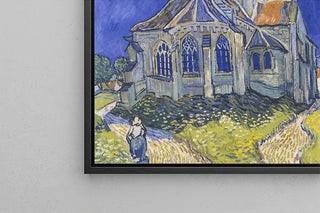
Frame (optional)
Portrait of the artist's wife with her two eldest children, circa 1528 - Hans Holbein the Elder – Captivating Introduction
The "Portrait of the artist's wife with her two eldest children" by Hans Holbein the Elder, created around 1528, is a work that transcends the simple family portrait to become a true window into the Renaissance era. In this painting, the viewer is invited to delve into the intimacy of a domestic scene, where tenderness and dignity blend with striking harmony. The composition, both rigorous and delicate, highlights not only the features of the artist's wife but also the family dynamics that emerge from this representation. This portrait, beyond its aesthetic aspect, evokes a time when art became a means of expressing family and social values.
Style and uniqueness of the work
The work stands out for its technical mastery and meticulous attention to detail. Holbein, a virtuoso painter, manages to capture the textures of clothing, the light caressing the faces, and the emotion emanating from the gazes. The choice of colors, both vibrant and nuanced, confers an unparalleled depth to the scene. The posture of the wife, slightly turned toward the viewer, creates a direct, almost intimate connection, while the two children in the background add a touch of dynamism to the composition. This work does not merely depict a mother and her children; it tells a story, that of family life, love, and the responsibilities of motherhood. The way Holbein plays with shadows and lights enhances the three-dimensional effect, making this portrait a masterpiece of the Renaissance.
The artist and his influence
Hans Holbein the Elder, father of the famous Hans Holbein the Younger, left his mark on his era with his exceptional talent and ability to incorporate the influences of his time. Originating from Germany, he was strongly influenced by humanist currents advocating for a realistic representation of man and his environment. Holbein the Elder established himself as a leading artist, not only through his distinctive style but also through his capacity to
Portrait of the artist's wife with her two eldest children, circa 1528 - Hans Holbein the Elder | Art print

-10% FROM €95 IN PURCHASES
-15% FROM €195 IN PURCHASES
Regular price
- Unit price
- per
Tax included.
Free shipping
€4.90 / Free shipping on orders over €39
Satisfied or Money Back
Free returns within 30 days
10-year warranty
Our prints are guaranteed for 10 years
Any questions? We are here!
by email to contact@artemlegrand.com
THE STEPS OF YOUR ORDER

STEP 1 - ORDER PLACED
Your order has been confirmed and we are starting production
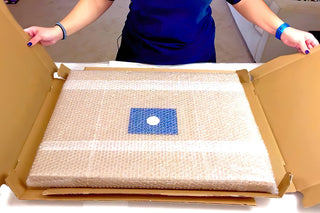
STEP 2 - SHIPPING
We ship your order. We send you an email to track the progress

STEP 3 - DELIVERY
You receive your order. You can also, according to your choice, be delivered to a relay point.
Matte finish
View from behind
Frame (optional)
Portrait of the artist's wife with her two eldest children, circa 1528 - Hans Holbein the Elder – Captivating Introduction
The "Portrait of the artist's wife with her two eldest children" by Hans Holbein the Elder, created around 1528, is a work that transcends the simple family portrait to become a true window into the Renaissance era. In this painting, the viewer is invited to delve into the intimacy of a domestic scene, where tenderness and dignity blend with striking harmony. The composition, both rigorous and delicate, highlights not only the features of the artist's wife but also the family dynamics that emerge from this representation. This portrait, beyond its aesthetic aspect, evokes a time when art became a means of expressing family and social values.
Style and uniqueness of the work
The work stands out for its technical mastery and meticulous attention to detail. Holbein, a virtuoso painter, manages to capture the textures of clothing, the light caressing the faces, and the emotion emanating from the gazes. The choice of colors, both vibrant and nuanced, confers an unparalleled depth to the scene. The posture of the wife, slightly turned toward the viewer, creates a direct, almost intimate connection, while the two children in the background add a touch of dynamism to the composition. This work does not merely depict a mother and her children; it tells a story, that of family life, love, and the responsibilities of motherhood. The way Holbein plays with shadows and lights enhances the three-dimensional effect, making this portrait a masterpiece of the Renaissance.
The artist and his influence
Hans Holbein the Elder, father of the famous Hans Holbein the Younger, left his mark on his era with his exceptional talent and ability to incorporate the influences of his time. Originating from Germany, he was strongly influenced by humanist currents advocating for a realistic representation of man and his environment. Holbein the Elder established himself as a leading artist, not only through his distinctive style but also through his capacity to
12,34 €