
Painting Door of an Arab House - Leopold Carl Müller | Art print


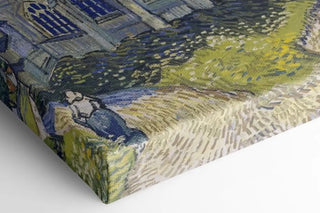
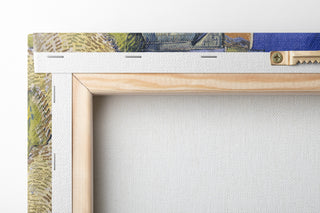
View from behind
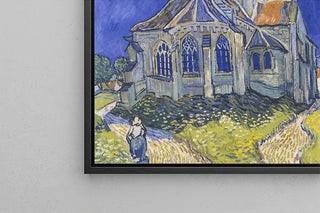
Frame (optional)
In the world of art, some works manage to capture the essence of a culture with such intensity that they transcend the simple frame of the painting. The "Port of an Arab house" by Leopold Carl Müller is one of those pieces that evoke a sensory journey to distant lands. Immersing oneself in this artwork, the viewer is immediately transported to the heart of Arab architectural traditions, where every detail tells a story. The warm colors and delicate patterns of this door symbolize not only access to a physical space but also an invitation to explore a rich and vibrant heritage. The magic of this piece lies in its ability to evoke emotions and memories, creating an intimate connection between the artist, the work, and the viewer.
Style and uniqueness of the work
Leopold Carl Müller's style is characterized by meticulous attention to detail and impressive mastery of light. In "Port of an Arab house," each element is carefully rendered, from the textures of the wood to the intricately painted ornaments. The artist plays with shades of color to create a warm and welcoming atmosphere, while maintaining a certain mystique. The door, as a central element, becomes the focal point that draws the eye and invites contemplation. The composition is balanced, allowing traditional Arab motifs to flourish while remaining harmonious. This artwork stands out for its ability to blend realism with a touch of exoticism, offering an authentic vision while remaining accessible to a broad audience. The richness of details and the depth of colors make this piece a true ode to craftsmanship and Arab culture.
The artist and his influence
Leopold Carl Müller, born in 1834, established himself as a major figure in Orientalist art in the 19th century. His travels in North Africa and the Middle East profoundly influenced his work, enabling him to explore themes related to architecture, daily life, and landscapes of these regions. Müller captured the beauty of the cultures he encountered, while integrating them into a European aesthetic. His approach to Orientalism is marked by sincere respect and admiration for the traditions
Painting Door of an Arab House - Leopold Carl Müller | Art print

-10% FROM €95 IN PURCHASES
-15% FROM €195 IN PURCHASES
Regular price
- Unit price
- per
Tax included.
Free shipping
€4.90 / Free shipping on orders over €39
Satisfied or Money Back
Free returns within 30 days
10-year warranty
Our prints are guaranteed for 10 years
Any questions? We are here!
by email to contact@artemlegrand.com
THE STEPS OF YOUR ORDER

STEP 1 - ORDER PLACED
Your order has been confirmed and we are starting production
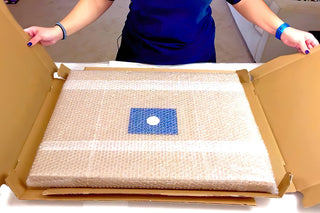
STEP 2 - SHIPPING
We ship your order. We send you an email to track the progress

STEP 3 - DELIVERY
You receive your order. You can also, according to your choice, be delivered to a relay point.
Matte finish
View from behind
Frame (optional)
In the world of art, some works manage to capture the essence of a culture with such intensity that they transcend the simple frame of the painting. The "Port of an Arab house" by Leopold Carl Müller is one of those pieces that evoke a sensory journey to distant lands. Immersing oneself in this artwork, the viewer is immediately transported to the heart of Arab architectural traditions, where every detail tells a story. The warm colors and delicate patterns of this door symbolize not only access to a physical space but also an invitation to explore a rich and vibrant heritage. The magic of this piece lies in its ability to evoke emotions and memories, creating an intimate connection between the artist, the work, and the viewer.
Style and uniqueness of the work
Leopold Carl Müller's style is characterized by meticulous attention to detail and impressive mastery of light. In "Port of an Arab house," each element is carefully rendered, from the textures of the wood to the intricately painted ornaments. The artist plays with shades of color to create a warm and welcoming atmosphere, while maintaining a certain mystique. The door, as a central element, becomes the focal point that draws the eye and invites contemplation. The composition is balanced, allowing traditional Arab motifs to flourish while remaining harmonious. This artwork stands out for its ability to blend realism with a touch of exoticism, offering an authentic vision while remaining accessible to a broad audience. The richness of details and the depth of colors make this piece a true ode to craftsmanship and Arab culture.
The artist and his influence
Leopold Carl Müller, born in 1834, established himself as a major figure in Orientalist art in the 19th century. His travels in North Africa and the Middle East profoundly influenced his work, enabling him to explore themes related to architecture, daily life, and landscapes of these regions. Müller captured the beauty of the cultures he encountered, while integrating them into a European aesthetic. His approach to Orientalism is marked by sincere respect and admiration for the traditions
12,34 €