
Painting An owl and a blue tit sitting in a tree - German school | Art print


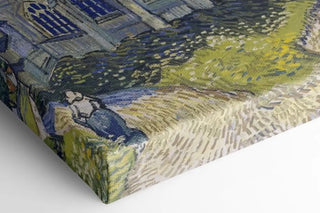
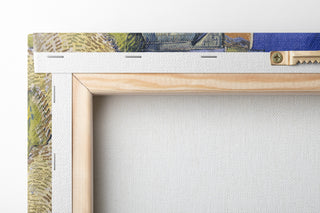
View from behind
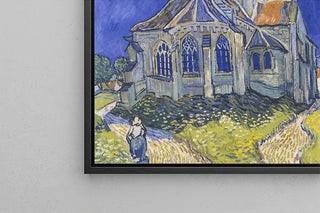
Frame (optional)
In the vast universe of art, some works manage to capture the very essence of nature with remarkable finesse. The art print Un owl and a blue tit sitting in a tree - German School is one of those creations that evoke a deep connection with the animal world. This painting, through its subject, offers a glimpse of the wild and fragile beauty of wildlife. By depicting these two iconic birds, the artist invites us to contemplate the delicacy of life and the symbiosis that exists between species. Every brushstroke seems to whisper ancient stories, legends, and mysteries buried in the forest.
Style and uniqueness of the work
The work stands out for its meticulous style and attention to detail. The owl's feathers, with their soft texture and earthy color palette, harmoniously contrast with the vibrant plumage of the blue tit. This play of colors, both subtle and vibrant, creates a lively, almost fairy-tale atmosphere. The tree, serving as the backdrop to this animal scene, is also carefully rendered; its twisted branches and delicate leaves seem to vibrate with the breeze. The artist manages to establish a perfect balance between realism and a touch of romanticism, allowing the viewer to immerse themselves in a world where nature reigns supreme. The composition evokes a soothing serenity, a suspended moment where time seems to stand still.
The artist and their influence
The artist, whose name often remains in the shadow of the great masters, has proven himself through his ability to capture wildlife with rare authenticity. Evolving within the German School, he was influenced by the naturalist and romantic movements of his time, seeking to represent nature not only as a subject but as an active participant in the work. His approach is marked by a deep respect for the environment, a sensitivity that shines through in each of his creations. Artists of this era often sought to raise awareness about the beauty of nature and the importance of its preservation. Thus
Painting An owl and a blue tit sitting in a tree - German school | Art print

-10% FROM €95 IN PURCHASES
-15% FROM €195 IN PURCHASES
Regular price
- Unit price
- per
Tax included.
Free shipping
€4.90 / Free shipping on orders over €39
Satisfied or Money Back
Free returns within 30 days
10-year warranty
Our prints are guaranteed for 10 years
Any questions? We are here!
by email to contact@artemlegrand.com
THE STEPS OF YOUR ORDER

STEP 1 - ORDER PLACED
Your order has been confirmed and we are starting production
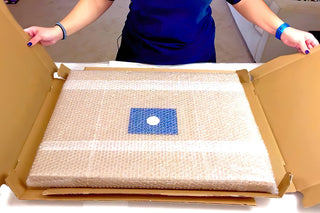
STEP 2 - SHIPPING
We ship your order. We send you an email to track the progress

STEP 3 - DELIVERY
You receive your order. You can also, according to your choice, be delivered to a relay point.
Matte finish
View from behind
Frame (optional)
In the vast universe of art, some works manage to capture the very essence of nature with remarkable finesse. The art print Un owl and a blue tit sitting in a tree - German School is one of those creations that evoke a deep connection with the animal world. This painting, through its subject, offers a glimpse of the wild and fragile beauty of wildlife. By depicting these two iconic birds, the artist invites us to contemplate the delicacy of life and the symbiosis that exists between species. Every brushstroke seems to whisper ancient stories, legends, and mysteries buried in the forest.
Style and uniqueness of the work
The work stands out for its meticulous style and attention to detail. The owl's feathers, with their soft texture and earthy color palette, harmoniously contrast with the vibrant plumage of the blue tit. This play of colors, both subtle and vibrant, creates a lively, almost fairy-tale atmosphere. The tree, serving as the backdrop to this animal scene, is also carefully rendered; its twisted branches and delicate leaves seem to vibrate with the breeze. The artist manages to establish a perfect balance between realism and a touch of romanticism, allowing the viewer to immerse themselves in a world where nature reigns supreme. The composition evokes a soothing serenity, a suspended moment where time seems to stand still.
The artist and their influence
The artist, whose name often remains in the shadow of the great masters, has proven himself through his ability to capture wildlife with rare authenticity. Evolving within the German School, he was influenced by the naturalist and romantic movements of his time, seeking to represent nature not only as a subject but as an active participant in the work. His approach is marked by a deep respect for the environment, a sensitivity that shines through in each of his creations. Artists of this era often sought to raise awareness about the beauty of nature and the importance of its preservation. Thus
12,34 €