
Painting A old woman selling fish - Gabriel Metsu | Art print


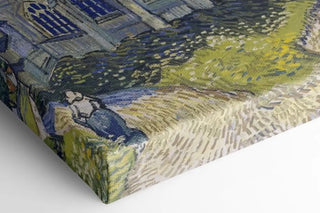
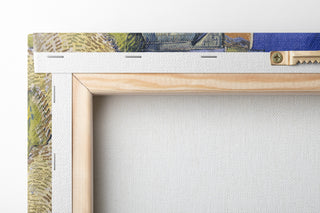
View from behind
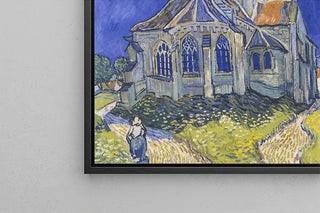
Frame (optional)
In the fascinating world of 17th-century Dutch painting, Gabriel Metsu's art print, "An Old Woman Selling Fish," stands out for its ability to capture the essence of everyday life with unparalleled delicacy. This canvas, imbued with realism, immerses us in a universe where every detail tells a story. The old woman, the central figure of the composition, seems to embody wisdom and experience, while the fish, a symbol of sustenance, evokes the struggles and joys of daily life. The soft light illuminating the scene adds an almost spiritual dimension to this representation, inviting the viewer to contemplate not only the artwork but also the humanity that animates it.
Style and uniqueness of the work
Metsu proves to be a master in the art of visual storytelling, and "An Old Woman Selling Fish" is a perfect example. The richness of textures, colors, and human expressions harmoniously combine to create an intimate atmosphere. Every brushstroke appears charged with emotion, and the attention to detail, whether it be the reflections on the fish or the wrinkles on the old woman's face, demonstrates meticulous observation of life. The realism, characteristic of Dutch painting of this period, is here sublimated by a touch of sensitivity, allowing the viewer to feel the warmth of the scene. The composition, balanced and dynamic, guides the eye while offering depth that invites exploration.
The artist and his influence
Gabriel Metsu, born in Amsterdam in 1629, made a name for himself among the great masters of his time, such as Vermeer and Hals. His unique approach to genre painting, focused on depicting scenes of everyday life, influenced many subsequent artists. Metsu, as an attentive observer of the customs of his era, was able to capture the essence of humanity through his characters, endowing them with an almost universal dimension. His work is not limited to simple representation; it evokes emotions, stories, and reflections on the human condition. "An Old Woman Selling Fish" is a prime example of this.
Painting A old woman selling fish - Gabriel Metsu | Art print

-10% FROM €95 IN PURCHASES
-15% FROM €195 IN PURCHASES
Regular price
- Unit price
- by
Free shipping
€4.90 / Free shipping on orders over €39
Satisfied or Money Back
Free returns within 30 days
10-year warranty
Our prints are guaranteed for 10 years
Any questions? We are here!
by email to contact@artemlegrand.com
THE STEPS OF YOUR ORDER

STEP 1 - ORDER PLACED
Your order has been confirmed and we are starting production
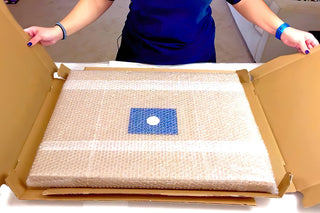
STEP 2 - SHIPPING
We ship your order. We send you an email to track the progress

STEP 3 - DELIVERY
You receive your order. You can also, according to your choice, be delivered to a relay point.
Matte finish
View from behind
Frame (optional)
In the fascinating world of 17th-century Dutch painting, Gabriel Metsu's art print, "An Old Woman Selling Fish," stands out for its ability to capture the essence of everyday life with unparalleled delicacy. This canvas, imbued with realism, immerses us in a universe where every detail tells a story. The old woman, the central figure of the composition, seems to embody wisdom and experience, while the fish, a symbol of sustenance, evokes the struggles and joys of daily life. The soft light illuminating the scene adds an almost spiritual dimension to this representation, inviting the viewer to contemplate not only the artwork but also the humanity that animates it.
Style and uniqueness of the work
Metsu proves to be a master in the art of visual storytelling, and "An Old Woman Selling Fish" is a perfect example. The richness of textures, colors, and human expressions harmoniously combine to create an intimate atmosphere. Every brushstroke appears charged with emotion, and the attention to detail, whether it be the reflections on the fish or the wrinkles on the old woman's face, demonstrates meticulous observation of life. The realism, characteristic of Dutch painting of this period, is here sublimated by a touch of sensitivity, allowing the viewer to feel the warmth of the scene. The composition, balanced and dynamic, guides the eye while offering depth that invites exploration.
The artist and his influence
Gabriel Metsu, born in Amsterdam in 1629, made a name for himself among the great masters of his time, such as Vermeer and Hals. His unique approach to genre painting, focused on depicting scenes of everyday life, influenced many subsequent artists. Metsu, as an attentive observer of the customs of his era, was able to capture the essence of humanity through his characters, endowing them with an almost universal dimension. His work is not limited to simple representation; it evokes emotions, stories, and reflections on the human condition. "An Old Woman Selling Fish" is a prime example of this.