
Art print of an old woman in an interior saying grace before a meal - Quirijn van Brekelenkam


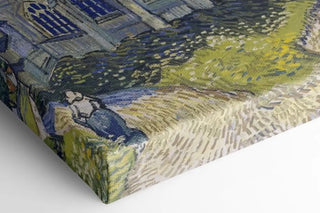
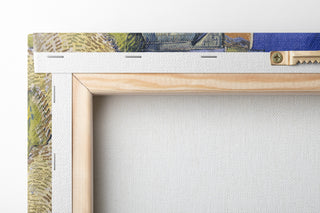
View from behind
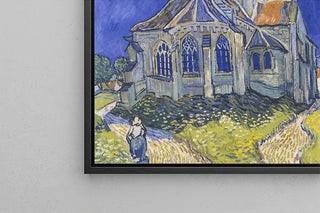
Frame (optional)
In the world of art, some works manage to capture fleeting moments of everyday life with such intensity that they provoke deep reflection on the human condition. "An elderly woman in an interior giving thanks before a meal" by Quirijn van Brekelenkam is a perfect example. This canvas, which immerses the viewer in the intimacy of a home, reveals not only the simplicity of a daily gesture but also the richness of the emotions that accompany it. The scene, imbued with serenity, invites soothing contemplation while evoking universal themes such as gratitude and communion. Through this artwork, the artist succeeds in establishing a dialogue between the viewer and the subject, transcending the simple act of eating to touch on profound spiritual values.
Style and uniqueness of the work
Quirijn van Brekelenkam's style is characterized by meticulous attention to detail and a subtly nuanced color palette. In this piece, light plays a fundamental role, illuminating the wrinkled face of the elderly woman and creating a striking contrast with the shadow that envelops the background. This masterful use of light and shadow, typical of chiaroscuro, gives the scene depth and an almost tactile dimension. Textures, whether of the fabrics of clothing or elements of the decor, are rendered with precision that demonstrates true craftsmanship. Van Brekelenkam thus manages to transform a domestic scene into a living tableau, where each element contributes to the harmony of the whole. The posture of the elderly woman, both humble and dignified, evokes wisdom gained over the years, while her prayer gesture before the meal underscores the importance of gratitude in moments of sharing.
The artist and his influence
Quirijn van Brekelenkam, active in the 17th century, is often associated with the Dutch school of painting, which saw the emergence of masters such as Rembrandt and Vermeer. Although less well-known than these giants, Van Brekelenkam managed to carve out a place in art history thanks to his unique approach to the
Art print of an old woman in an interior saying grace before a meal - Quirijn van Brekelenkam

-10% FROM €95 IN PURCHASES
-15% FROM €195 IN PURCHASES
Regular price
- Unit price
- per
Tax included.
Free shipping
€4.90 / Free shipping on orders over €39
Satisfied or Money Back
Free returns within 30 days
10-year warranty
Our prints are guaranteed for 10 years
Any questions? We are here!
by email to contact@artemlegrand.com
THE STEPS OF YOUR ORDER

STEP 1 - ORDER PLACED
Your order has been confirmed and we are starting production
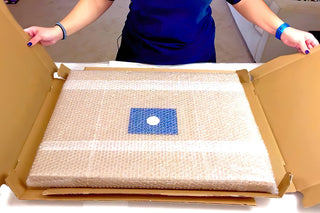
STEP 2 - SHIPPING
We ship your order. We send you an email to track the progress
STEP 3 - DELIVERY
You receive your order. You can also, according to your choice, be delivered to a relay point.
Matte finish
View from behind
Frame (optional)
In the world of art, some works manage to capture fleeting moments of everyday life with such intensity that they provoke deep reflection on the human condition. "An elderly woman in an interior giving thanks before a meal" by Quirijn van Brekelenkam is a perfect example. This canvas, which immerses the viewer in the intimacy of a home, reveals not only the simplicity of a daily gesture but also the richness of the emotions that accompany it. The scene, imbued with serenity, invites soothing contemplation while evoking universal themes such as gratitude and communion. Through this artwork, the artist succeeds in establishing a dialogue between the viewer and the subject, transcending the simple act of eating to touch on profound spiritual values.
Style and uniqueness of the work
Quirijn van Brekelenkam's style is characterized by meticulous attention to detail and a subtly nuanced color palette. In this piece, light plays a fundamental role, illuminating the wrinkled face of the elderly woman and creating a striking contrast with the shadow that envelops the background. This masterful use of light and shadow, typical of chiaroscuro, gives the scene depth and an almost tactile dimension. Textures, whether of the fabrics of clothing or elements of the decor, are rendered with precision that demonstrates true craftsmanship. Van Brekelenkam thus manages to transform a domestic scene into a living tableau, where each element contributes to the harmony of the whole. The posture of the elderly woman, both humble and dignified, evokes wisdom gained over the years, while her prayer gesture before the meal underscores the importance of gratitude in moments of sharing.
The artist and his influence
Quirijn van Brekelenkam, active in the 17th century, is often associated with the Dutch school of painting, which saw the emergence of masters such as Rembrandt and Vermeer. Although less well-known than these giants, Van Brekelenkam managed to carve out a place in art history thanks to his unique approach to the
12,34 €