
Painting An allegory of the riches of the earth - Gerard Hoet | Art print


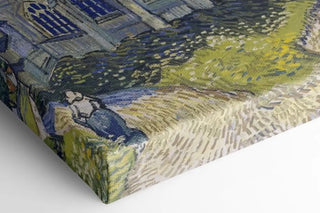
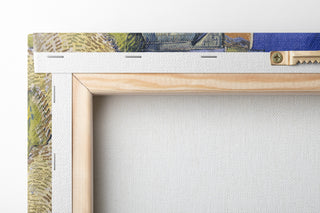
View from behind
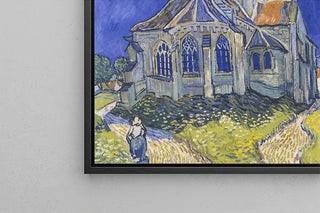
Frame (optional)
The artwork "An Allegory of Earthly Riches" by Gerard Hoet presents itself as a true visual poem, an invitation to immerse oneself in a world where nature and prosperity meet. This painting, rich in symbols and details, evokes the magnificence of terrestrial resources while celebrating the harmony between man and his environment. In this composition, Hoet succeeds in capturing the very essence of wealth in all its forms, whether material or spiritual. Through this art print, the viewer is transported to a universe where each element tells a story, where every color and texture vibrates with its own life.
Style and uniqueness of the work
Gerard Hoet's style is distinguished by a keen sense of detail and a carefully chosen color palette, which give his works a vibrant yet soothing atmosphere. In "An Allegory of Earthly Riches," the artist skillfully plays with light, creating shadows and highlights that enhance the depth and dimension of the forms. The characters, draped in sumptuous clothing, seem to interact with the natural elements surrounding them, symbolizing the fusion between human and natural world. Floral motifs and decorative elements, characteristic of Baroque art, enrich the composition and give it an opulent appearance. Every detail, whether it be fruits, flowers, or ornaments, is thoughtfully designed to reinforce the message of prosperity and abundance, making this work a true masterpiece of 18th-century painting.
The artist and his influence
Gerard Hoet, born in 1648 and active until the end of the 17th century, is a Dutch artist whose work demonstrates a deep understanding of classical and mythological themes. Influenced by the masters of the Renaissance and Baroque, Hoet developed a personal style that combines finesse and grandeur. His work was widely recognized and influenced many contemporary and later artists. By incorporating narrative and symbolic elements into his compositions, he contributed to enriching the visual language of his time. His ability to depict
Painting An allegory of the riches of the earth - Gerard Hoet | Art print

-10% FROM €95 IN PURCHASES
-15% FROM €195 IN PURCHASES
Regular price
- Unit price
- per
Tax included.
Free shipping
€4.90 / Free shipping on orders over €39
Satisfied or Money Back
Free returns within 30 days
10-year warranty
Our prints are guaranteed for 10 years
Any questions? We are here!
by email to contact@artemlegrand.com
THE STEPS OF YOUR ORDER

STEP 1 - ORDER PLACED
Your order has been confirmed and we are starting production
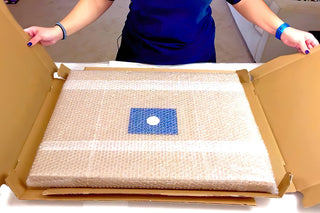
STEP 2 - SHIPPING
We ship your order. We send you an email to track the progress

STEP 3 - DELIVERY
You receive your order. You can also, according to your choice, be delivered to a relay point.
Matte finish
View from behind
Frame (optional)
The artwork "An Allegory of Earthly Riches" by Gerard Hoet presents itself as a true visual poem, an invitation to immerse oneself in a world where nature and prosperity meet. This painting, rich in symbols and details, evokes the magnificence of terrestrial resources while celebrating the harmony between man and his environment. In this composition, Hoet succeeds in capturing the very essence of wealth in all its forms, whether material or spiritual. Through this art print, the viewer is transported to a universe where each element tells a story, where every color and texture vibrates with its own life.
Style and uniqueness of the work
Gerard Hoet's style is distinguished by a keen sense of detail and a carefully chosen color palette, which give his works a vibrant yet soothing atmosphere. In "An Allegory of Earthly Riches," the artist skillfully plays with light, creating shadows and highlights that enhance the depth and dimension of the forms. The characters, draped in sumptuous clothing, seem to interact with the natural elements surrounding them, symbolizing the fusion between human and natural world. Floral motifs and decorative elements, characteristic of Baroque art, enrich the composition and give it an opulent appearance. Every detail, whether it be fruits, flowers, or ornaments, is thoughtfully designed to reinforce the message of prosperity and abundance, making this work a true masterpiece of 18th-century painting.
The artist and his influence
Gerard Hoet, born in 1648 and active until the end of the 17th century, is a Dutch artist whose work demonstrates a deep understanding of classical and mythological themes. Influenced by the masters of the Renaissance and Baroque, Hoet developed a personal style that combines finesse and grandeur. His work was widely recognized and influenced many contemporary and later artists. By incorporating narrative and symbolic elements into his compositions, he contributed to enriching the visual language of his time. His ability to depict
12,34 €