
Painting A young boy - Horace Hone | Art print


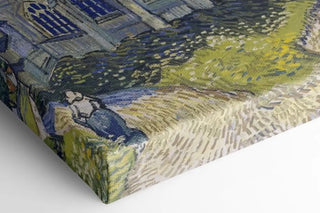
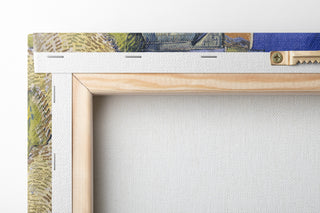
View from behind
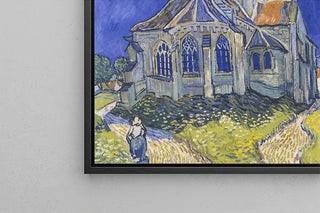
Frame (optional)
The artwork "A Young Boy" by Horace Hone is an open window into the innocence and freshness of childhood. This painting, capturing a moment of purity, evokes feelings of nostalgia and tenderness. The young boy's gaze, both curious and contemplative, immediately draws the viewer's attention, inviting them to delve into his inner world. The soft light bathing the scene creates a warm, almost intimate atmosphere, as if one could hear the whispers of carefree childhood. This painting is much more than a simple representation: it is an invitation to explore the emotions and reflections that childhood inspires.
Style and uniqueness of the artwork
Horace Hone's style is distinguished by its striking realism and meticulous attention to detail. In "A Young Boy," every element, from the expressive face of the protagonist to the textures of the clothing, is treated with a delicacy that demonstrates exceptional craftsmanship. The colors, subtly nuanced, blend harmoniously, giving the piece remarkable depth and vitality. Hone manages to capture not only the appearance of the young boy but also his essence, his soul. This ability to transcend mere representation to reach an emotional dimension is what makes this work so singular. The choice of poses and expressions, as well as the thoughtful composition, testify to great artistic mastery, inviting the viewer to reflect on the inner life of the young boy.
The artist and his influence
Horace Hone, a British artist of the 18th century, is often recognized for his contribution to the portrait movement and his skill in capturing the spirit of his subjects. His training and influences, notably those of Dutch masters and the English school, shaped his unique style. Hone successfully combined tradition and innovation, creating works that continue to inspire generations of artists. His approach to portraiture, focused on the psychology of the subject, opened new avenues in the representation of the individual. By emphasizing expression and personality, he laid the foundations for a new way of approaching the portrait, which still resonates in contemporary art. The strength of his
Painting A young boy - Horace Hone | Art print

-10% FROM €95 IN PURCHASES
-15% FROM €195 IN PURCHASES
Regular price
- Unit price
- per
Tax included.
Free shipping
€4.90 / Free shipping on orders over €39
Satisfied or Money Back
Free returns within 30 days
10-year warranty
Our prints are guaranteed for 10 years
Any questions? We are here!
by email to contact@artemlegrand.com
THE STEPS OF YOUR ORDER

STEP 1 - ORDER PLACED
Your order has been confirmed and we are starting production
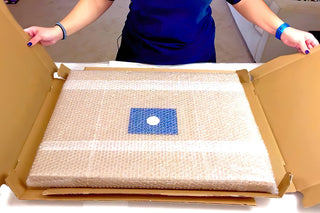
STEP 2 - SHIPPING
We ship your order. We send you an email to track the progress

STEP 3 - DELIVERY
You receive your order. You can also, according to your choice, be delivered to a relay point.
Matte finish
View from behind
Frame (optional)
The artwork "A Young Boy" by Horace Hone is an open window into the innocence and freshness of childhood. This painting, capturing a moment of purity, evokes feelings of nostalgia and tenderness. The young boy's gaze, both curious and contemplative, immediately draws the viewer's attention, inviting them to delve into his inner world. The soft light bathing the scene creates a warm, almost intimate atmosphere, as if one could hear the whispers of carefree childhood. This painting is much more than a simple representation: it is an invitation to explore the emotions and reflections that childhood inspires.
Style and uniqueness of the artwork
Horace Hone's style is distinguished by its striking realism and meticulous attention to detail. In "A Young Boy," every element, from the expressive face of the protagonist to the textures of the clothing, is treated with a delicacy that demonstrates exceptional craftsmanship. The colors, subtly nuanced, blend harmoniously, giving the piece remarkable depth and vitality. Hone manages to capture not only the appearance of the young boy but also his essence, his soul. This ability to transcend mere representation to reach an emotional dimension is what makes this work so singular. The choice of poses and expressions, as well as the thoughtful composition, testify to great artistic mastery, inviting the viewer to reflect on the inner life of the young boy.
The artist and his influence
Horace Hone, a British artist of the 18th century, is often recognized for his contribution to the portrait movement and his skill in capturing the spirit of his subjects. His training and influences, notably those of Dutch masters and the English school, shaped his unique style. Hone successfully combined tradition and innovation, creating works that continue to inspire generations of artists. His approach to portraiture, focused on the psychology of the subject, opened new avenues in the representation of the individual. By emphasizing expression and personality, he laid the foundations for a new way of approaching the portrait, which still resonates in contemporary art. The strength of his
12,34 €