
Art print of a woman called Lady Mary Wortley Montagu - Sir Godfrey Kneller


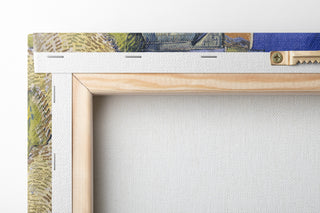
View from behind
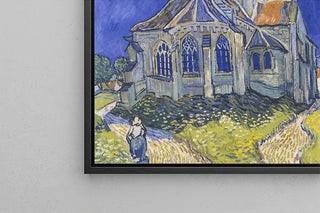
Frame (optional)
The art print "A woman called Lady Mary Wortley Montagu" by Sir Godfrey Kneller is a captivating testament to 18th-century portrait art. Capturing the elegance and personality of an iconic figure of her time, this painting offers an invaluable glimpse into the society and customs of the era. Lady Mary Wortley Montagu, a woman of letters and a pioneer of feminism, is depicted with a grace and dignity that transcend centuries. This representation is not merely a simple portrait; it is an invitation to explore the life of a woman who challenged the conventions of her time, while serving as an inspiration for future generations.
Style and uniqueness of the art print
Kneller's style is distinguished by its realism and keen attention to detail. In this work, he manages to capture not only the physical appearance of Lady Mary but also her essence. The brightness of the colors, the play of light and shadow, as well as the finesse of the features, demonstrate impressive technical mastery. Kneller uses elements of the fashion of his time to dress his model, highlighting rich textures and flowing drapes that add a sense of movement to the composition. Every detail, from the delicate jewelry to the folds of the dress, is carefully considered to reflect Lady Mary's status and personality. This art print is thus much more than a simple image; it is a celebration of femininity and intellect, an artwork that invites contemplation.
The artist and his influence
Sir Godfrey Kneller, born in 1646, is considered one of the most influential portraitists of his era. Of German origin, he settled in England where he quickly gained notoriety, becoming the official painter of the court. His style, blending classicism and baroque, left a lasting mark on British portraiture. Kneller was able to capture the spirit of his time, painting notable figures from society, from aristocrats to intellectuals. His approach to portraiture paved the way for many artists, who sought to combine realism and expressiveness. Through his work, he contributed to shaping the perception
Art print of a woman called Lady Mary Wortley Montagu - Sir Godfrey Kneller

-10% FROM €95 IN PURCHASES
-15% FROM €195 IN PURCHASES
Regular price
- Unit price
- per
Tax included.
Free shipping
€4.90 / Free shipping on orders over €39
Satisfied or Money Back
Free returns within 30 days
10-year warranty
Our prints are guaranteed for 10 years
Any questions? We are here!
by email to contact@artemlegrand.com
THE STEPS OF YOUR ORDER

STEP 1 - ORDER PLACED
Your order has been confirmed and we are starting production
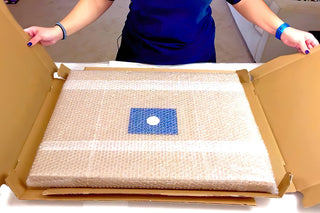
STEP 2 - SHIPPING
We ship your order. We send you an email to track the progress

STEP 3 - DELIVERY
You receive your order. You can also, according to your choice, be delivered to a relay point.
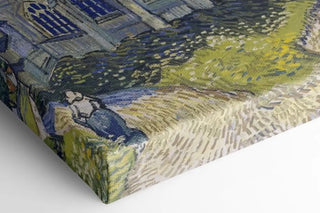
Matte finish
View from behind
Frame (optional)
The art print "A woman called Lady Mary Wortley Montagu" by Sir Godfrey Kneller is a captivating testament to 18th-century portrait art. Capturing the elegance and personality of an iconic figure of her time, this painting offers an invaluable glimpse into the society and customs of the era. Lady Mary Wortley Montagu, a woman of letters and a pioneer of feminism, is depicted with a grace and dignity that transcend centuries. This representation is not merely a simple portrait; it is an invitation to explore the life of a woman who challenged the conventions of her time, while serving as an inspiration for future generations.
Style and uniqueness of the art print
Kneller's style is distinguished by its realism and keen attention to detail. In this work, he manages to capture not only the physical appearance of Lady Mary but also her essence. The brightness of the colors, the play of light and shadow, as well as the finesse of the features, demonstrate impressive technical mastery. Kneller uses elements of the fashion of his time to dress his model, highlighting rich textures and flowing drapes that add a sense of movement to the composition. Every detail, from the delicate jewelry to the folds of the dress, is carefully considered to reflect Lady Mary's status and personality. This art print is thus much more than a simple image; it is a celebration of femininity and intellect, an artwork that invites contemplation.
The artist and his influence
Sir Godfrey Kneller, born in 1646, is considered one of the most influential portraitists of his era. Of German origin, he settled in England where he quickly gained notoriety, becoming the official painter of the court. His style, blending classicism and baroque, left a lasting mark on British portraiture. Kneller was able to capture the spirit of his time, painting notable figures from society, from aristocrats to intellectuals. His approach to portraiture paved the way for many artists, who sought to combine realism and expressiveness. Through his work, he contributed to shaping the perception
12,34 €