
Painting A woman in front of her mirror - Jean Raoux | Art print


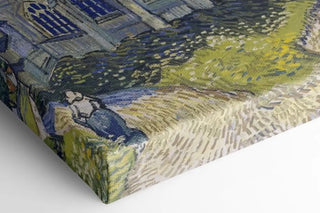
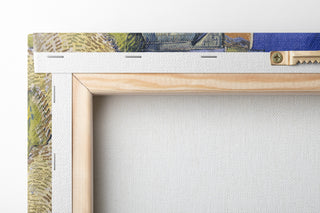
View from behind
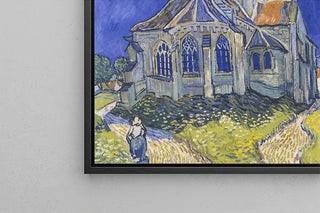
Frame (optional)
The artwork "A Woman in Front of Her Mirror" by Jean Raoux, painted in the early 18th century, is part of a period when French painting experienced a remarkable flourishing. This painting, capturing the intimacy and reflection of a woman, stands out for its psychological depth and technical mastery. The scene depicts a woman in contemplation, her gaze fixed on her own reflection—a powerful metaphor for self-analysis and beauty. The soft light enveloping the subject emphasizes the delicacy of her face and the elegance of her posture, creating a suspended moment in time where the soul is revealed through the mirror.
Style and uniqueness of the artwork
Raoux is distinguished by his rococo style, characterized by meticulous attention to detail and a refined color palette. In "A Woman in Front of Her Mirror," warm nuances and play of light reveal not only the texture of the fabrics but also the state of mind of the protagonist. The composition, carefully orchestrated, draws the eye toward the mirror, the true focal point of the piece. This element serves not only as a reflection but becomes a symbol of introspection and the duality between appearance and reality. The delicate features of the woman, combined with the fluidity of the drapery, testify to Raoux's exceptional talent for capturing feminine grace. Every brushstroke seems to breathe, infusing a palpable life into the canvas, inviting the viewer to immerse themselves in the intimate universe of the depicted woman.
The artist and his influence
Jean Raoux, born in 1670, is an emblematic figure of the rococo movement in France. His career flourished at a time when art was liberating itself from the rigid conventions of classicism. Raoux managed to establish himself through his ability to combine sensuality and refinement, influencing many artists of his era. His understanding of human emotions and his skill in translating them onto the canvas make him a pioneer in exploring psychological themes. By incorporating elements of everyday life, he succeeds in establishing a strong emotional connection with the viewer, placing them at the heart of the artistic experience. Raoux was
Painting A woman in front of her mirror - Jean Raoux | Art print

-10% FROM €95 IN PURCHASES
-15% FROM €195 IN PURCHASES
Regular price
- Unit price
- per
Tax included.
Free shipping
€4.90 / Free shipping on orders over €39
Satisfied or Money Back
Free returns within 30 days
10-year warranty
Our prints are guaranteed for 10 years
Any questions? We are here!
by email to contact@artemlegrand.com
THE STEPS OF YOUR ORDER

STEP 1 - ORDER PLACED
Your order has been confirmed and we are starting production
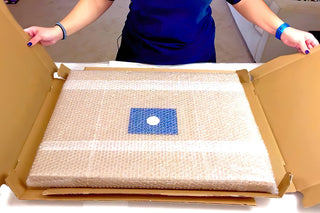
STEP 2 - SHIPPING
We ship your order. We send you an email to track the progress

STEP 3 - DELIVERY
You receive your order. You can also, according to your choice, be delivered to a relay point.
Matte finish
View from behind
Frame (optional)
The artwork "A Woman in Front of Her Mirror" by Jean Raoux, painted in the early 18th century, is part of a period when French painting experienced a remarkable flourishing. This painting, capturing the intimacy and reflection of a woman, stands out for its psychological depth and technical mastery. The scene depicts a woman in contemplation, her gaze fixed on her own reflection—a powerful metaphor for self-analysis and beauty. The soft light enveloping the subject emphasizes the delicacy of her face and the elegance of her posture, creating a suspended moment in time where the soul is revealed through the mirror.
Style and uniqueness of the artwork
Raoux is distinguished by his rococo style, characterized by meticulous attention to detail and a refined color palette. In "A Woman in Front of Her Mirror," warm nuances and play of light reveal not only the texture of the fabrics but also the state of mind of the protagonist. The composition, carefully orchestrated, draws the eye toward the mirror, the true focal point of the piece. This element serves not only as a reflection but becomes a symbol of introspection and the duality between appearance and reality. The delicate features of the woman, combined with the fluidity of the drapery, testify to Raoux's exceptional talent for capturing feminine grace. Every brushstroke seems to breathe, infusing a palpable life into the canvas, inviting the viewer to immerse themselves in the intimate universe of the depicted woman.
The artist and his influence
Jean Raoux, born in 1670, is an emblematic figure of the rococo movement in France. His career flourished at a time when art was liberating itself from the rigid conventions of classicism. Raoux managed to establish himself through his ability to combine sensuality and refinement, influencing many artists of his era. His understanding of human emotions and his skill in translating them onto the canvas make him a pioneer in exploring psychological themes. By incorporating elements of everyday life, he succeeds in establishing a strong emotional connection with the viewer, placing them at the heart of the artistic experience. Raoux was
12,34 €