
Painting A woman called Lady Elizabeth Knightley - Marcus Gheeraerts the Younger | Art print


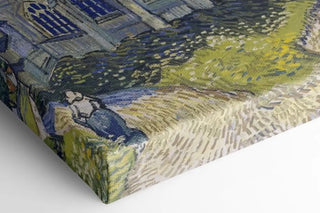
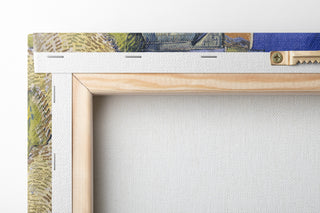
View from behind
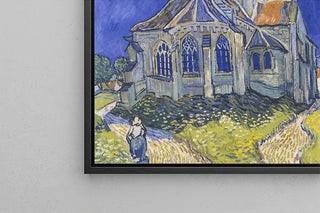
Frame (optional)
In the world of art, some works transcend time and space, captivating viewers and inspiring minds. The art print "A woman called Lady Elizabeth Knightley - Marcus Gheeraerts the Younger" embodies this timeless essence. This painting, depicting a female figure of rare elegance, immerses us in the universe of 16th-century English nobility. Lady Elizabeth Knightley, whose portrait is immortalized by Gheeraerts, seems to invite us to discover her story, her thoughts, and her era. Every detail of this piece is a window into the past, an invitation to explore the subtleties of aristocratic life and the social conventions of her time.
Style and uniqueness of the work
The style of Marcus Gheeraerts the Younger is distinguished by its finesse and meticulous attention to detail. In "A woman called Lady Elizabeth Knightley," the artist manages to capture not only the physical beauty of his model but also her character and personality. The rich colors and delicate textures, typical of Elizabethan painting, give the work emotional depth. Lady Elizabeth's gaze, both gentle and penetrating, seems to tell a story, while her garments adorned with refined embroidery testify to her high social status. Gheeraerts excels in the art of representation, blending realism and idealization, allowing the viewer to feel an intimate connection with the subject.
The artist and his influence
Marcus Gheeraerts the Younger, of Flemish origin, established himself in England where he became one of the most sought-after portraitists of his time. His work is marked by a unique sensitivity and technical mastery that allowed him to stand out in the landscape of English Renaissance art. Gheeraerts successfully integrated Flemish influences while developing a distinctive style, characterized by particular attention to expressions and clothing details. The portraits he created not only documented the appearance of the nobility of his time but also helped shape the image of English aristocracy. His impact on portrait art is still felt today, inspiring many contemporary artists to explore the themes
Painting A woman called Lady Elizabeth Knightley - Marcus Gheeraerts the Younger | Art print

-10% FROM €95 IN PURCHASES
-15% FROM €195 IN PURCHASES
Regular price
- Unit price
- per
Tax included.
Free shipping
€4.90 / Free shipping on orders over €39
Satisfied or Money Back
Free returns within 30 days
10-year warranty
Our prints are guaranteed for 10 years
Any questions? We are here!
by email to contact@artemlegrand.com
THE STEPS OF YOUR ORDER

STEP 1 - ORDER PLACED
Your order has been confirmed and we are starting production
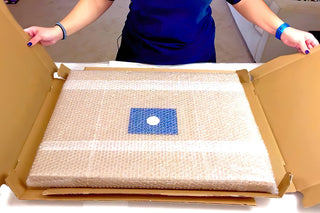
STEP 2 - SHIPPING
We ship your order. We send you an email to track the progress

STEP 3 - DELIVERY
You receive your order. You can also, according to your choice, be delivered to a relay point.
Matte finish
View from behind
Frame (optional)
In the world of art, some works transcend time and space, captivating viewers and inspiring minds. The art print "A woman called Lady Elizabeth Knightley - Marcus Gheeraerts the Younger" embodies this timeless essence. This painting, depicting a female figure of rare elegance, immerses us in the universe of 16th-century English nobility. Lady Elizabeth Knightley, whose portrait is immortalized by Gheeraerts, seems to invite us to discover her story, her thoughts, and her era. Every detail of this piece is a window into the past, an invitation to explore the subtleties of aristocratic life and the social conventions of her time.
Style and uniqueness of the work
The style of Marcus Gheeraerts the Younger is distinguished by its finesse and meticulous attention to detail. In "A woman called Lady Elizabeth Knightley," the artist manages to capture not only the physical beauty of his model but also her character and personality. The rich colors and delicate textures, typical of Elizabethan painting, give the work emotional depth. Lady Elizabeth's gaze, both gentle and penetrating, seems to tell a story, while her garments adorned with refined embroidery testify to her high social status. Gheeraerts excels in the art of representation, blending realism and idealization, allowing the viewer to feel an intimate connection with the subject.
The artist and his influence
Marcus Gheeraerts the Younger, of Flemish origin, established himself in England where he became one of the most sought-after portraitists of his time. His work is marked by a unique sensitivity and technical mastery that allowed him to stand out in the landscape of English Renaissance art. Gheeraerts successfully integrated Flemish influences while developing a distinctive style, characterized by particular attention to expressions and clothing details. The portraits he created not only documented the appearance of the nobility of his time but also helped shape the image of English aristocracy. His impact on portrait art is still felt today, inspiring many contemporary artists to explore the themes
12,34 €