
Painting A street scene in Macau with three men playing - George Chinnery | Art print


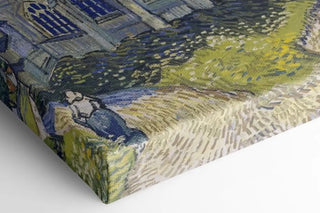
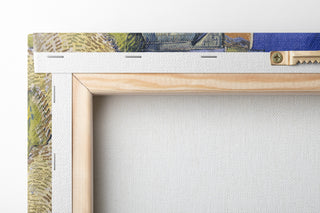
View from behind
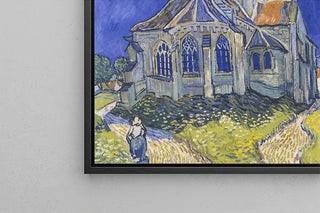
Frame (optional)
In the hustle and bustle of Macao's alleys, George Chinnery, a 19th-century British artist, captures a moment of life that transcends time. "An art print of a street scene in Macao with three men playing" immerses us in a vibrant atmosphere where conviviality and animation blend with the beauty of urban landscapes. The characters, frozen in a dynamic of play, evoke a rich culture and human interaction that still resonates today. This work, both delicate and powerful, invites us to explore not only the artist's technique but also the historical and social context of the era.
Style and uniqueness of the work
Chinnery's art print stands out for its realistic approach and attention to detail. Light plays a predominant role, illuminating the faces of the men and emphasizing the textures of their clothing, thus creating a warm atmosphere. The colors, though nuanced, vibrate with an intensity that draws the eye and captivates the mind. Every element of the scene, from the cobblestones to the cast shadows, contributes to a harmonious and balanced composition. Chinnery manages to infuse a palpable life into his characters, making this street scene not just a painting but an open window to a world in motion. The apparent simplicity of the scene masks a narrative complexity, where each exchanged glance between the protagonists tells a story—human interaction rooted in everyday life.
The artist and his influence
George Chinnery, born in 1774 in London, established himself as a major figure in genre and portrait painting. His settlement in Macao in 1825 marked a turning point in his career, allowing him to explore new themes and absorb Asian influences. Chinnery is often praised for his ability to incorporate Eastern elements into his work while maintaining a Western style. His unique vision has inspired many contemporary and later artists, who sought to capture daily life with the same sensitivity. By moving away from academic conventions, Chinnery paved the way for a more personal and introspective approach to painting, where the individual and their
Painting A street scene in Macau with three men playing - George Chinnery | Art print

-10% FROM €95 IN PURCHASES
-15% FROM €195 IN PURCHASES
Regular price
- Unit price
- per
Tax included.
Free shipping
€4.90 / Free shipping on orders over €39
Satisfied or Money Back
Free returns within 30 days
10-year warranty
Our prints are guaranteed for 10 years
Any questions? We are here!
by email to contact@artemlegrand.com
THE STEPS OF YOUR ORDER

STEP 1 - ORDER PLACED
Your order has been confirmed and we are starting production
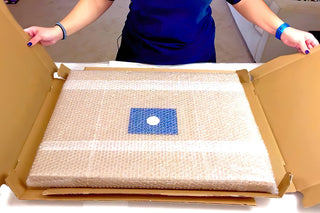
STEP 2 - SHIPPING
We ship your order. We send you an email to track the progress

STEP 3 - DELIVERY
You receive your order. You can also, according to your choice, be delivered to a relay point.
Matte finish
View from behind
Frame (optional)
In the hustle and bustle of Macao's alleys, George Chinnery, a 19th-century British artist, captures a moment of life that transcends time. "An art print of a street scene in Macao with three men playing" immerses us in a vibrant atmosphere where conviviality and animation blend with the beauty of urban landscapes. The characters, frozen in a dynamic of play, evoke a rich culture and human interaction that still resonates today. This work, both delicate and powerful, invites us to explore not only the artist's technique but also the historical and social context of the era.
Style and uniqueness of the work
Chinnery's art print stands out for its realistic approach and attention to detail. Light plays a predominant role, illuminating the faces of the men and emphasizing the textures of their clothing, thus creating a warm atmosphere. The colors, though nuanced, vibrate with an intensity that draws the eye and captivates the mind. Every element of the scene, from the cobblestones to the cast shadows, contributes to a harmonious and balanced composition. Chinnery manages to infuse a palpable life into his characters, making this street scene not just a painting but an open window to a world in motion. The apparent simplicity of the scene masks a narrative complexity, where each exchanged glance between the protagonists tells a story—human interaction rooted in everyday life.
The artist and his influence
George Chinnery, born in 1774 in London, established himself as a major figure in genre and portrait painting. His settlement in Macao in 1825 marked a turning point in his career, allowing him to explore new themes and absorb Asian influences. Chinnery is often praised for his ability to incorporate Eastern elements into his work while maintaining a Western style. His unique vision has inspired many contemporary and later artists, who sought to capture daily life with the same sensitivity. By moving away from academic conventions, Chinnery paved the way for a more personal and introspective approach to painting, where the individual and their
12,34 €