
Art print of a sculptor in his studio working from life - Wilhelm Bendz


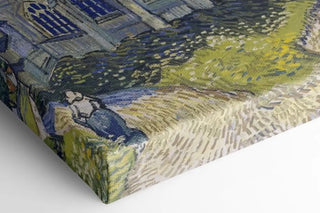
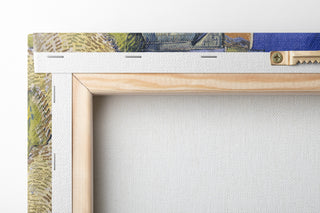
View from behind
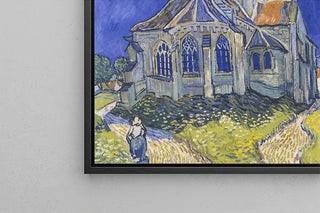
Frame (optional)
In the world of 19th-century Danish painting, Wilhelm Bendz stands out for his approach that is both realistic and poetic. His painting, "A Sculptor in His Studio Working from Nature," immerses us in the intimacy of a creative moment, where the artist is fully engaged in his art. This artwork not only illustrates the creative process but also highlights the deep relationship between the artist and his subject. The soft light flooding the studio, the sculpted forms coming to life under the sculptor's hands, and the atmosphere of concentration that reigns in this sanctuary of creativity invite the viewer to explore the nuances of artistic inspiration.
Style and uniqueness of the artwork
Wilhelm Bendz's style is characterized by a delicate touch and meticulous attention to detail. In this piece, he manages to capture the essence of the studio, a place where the magic of creation unfolds. The interplay of light and shadow, the rendering of material textures, and the focused posture of the sculptor all demonstrate his skill in immortalizing the moment. The composition of the painting is thoughtfully balanced, with each element arranged to guide the viewer’s eye toward the heart of the action. This painting is not merely a simple depiction; it evokes an atmosphere of devotion and passion, thus revealing the inherent beauty of the artistic process.
The artist and his influence
Wilhelm Bendz, born in 1804, was a key figure in the development of Danish Romanticism. Influenced by the artistic currents of his time, he mastered the art of blending tradition and innovation, leaving a lasting mark on his contemporaries. His fascination with nature and humanity is evident in his works, where he explores themes of identity and creativity. Bendz was also a passionate advocate for art education, contributing to the training of many artists. His approach, which favors direct observation and studying the live model, inspired a generation of artists to seek truth in their work. Thus, his legacy endures, testifying to the importance of authenticity in art.
A wall decoration
Art print of a sculptor in his studio working from life - Wilhelm Bendz

-10% FROM €95 IN PURCHASES
-15% FROM €195 IN PURCHASES
Regular price
- Unit price
- per
Tax included.
Free shipping
€4.90 / Free shipping on orders over €39
Satisfied or Money Back
Free returns within 30 days
10-year warranty
Our prints are guaranteed for 10 years
Any questions? We are here!
by email to contact@artemlegrand.com
THE STEPS OF YOUR ORDER

STEP 1 - ORDER PLACED
Your order has been confirmed and we are starting production

STEP 2 - SHIPPING
We ship your order. We send you an email to track the progress

STEP 3 - DELIVERY
You receive your order. You can also, according to your choice, be delivered to a relay point.
Matte finish
View from behind
Frame (optional)
In the world of 19th-century Danish painting, Wilhelm Bendz stands out for his approach that is both realistic and poetic. His painting, "A Sculptor in His Studio Working from Nature," immerses us in the intimacy of a creative moment, where the artist is fully engaged in his art. This artwork not only illustrates the creative process but also highlights the deep relationship between the artist and his subject. The soft light flooding the studio, the sculpted forms coming to life under the sculptor's hands, and the atmosphere of concentration that reigns in this sanctuary of creativity invite the viewer to explore the nuances of artistic inspiration.
Style and uniqueness of the artwork
Wilhelm Bendz's style is characterized by a delicate touch and meticulous attention to detail. In this piece, he manages to capture the essence of the studio, a place where the magic of creation unfolds. The interplay of light and shadow, the rendering of material textures, and the focused posture of the sculptor all demonstrate his skill in immortalizing the moment. The composition of the painting is thoughtfully balanced, with each element arranged to guide the viewer’s eye toward the heart of the action. This painting is not merely a simple depiction; it evokes an atmosphere of devotion and passion, thus revealing the inherent beauty of the artistic process.
The artist and his influence
Wilhelm Bendz, born in 1804, was a key figure in the development of Danish Romanticism. Influenced by the artistic currents of his time, he mastered the art of blending tradition and innovation, leaving a lasting mark on his contemporaries. His fascination with nature and humanity is evident in his works, where he explores themes of identity and creativity. Bendz was also a passionate advocate for art education, contributing to the training of many artists. His approach, which favors direct observation and studying the live model, inspired a generation of artists to seek truth in their work. Thus, his legacy endures, testifying to the importance of authenticity in art.
A wall decoration
12,34 €