
Painting A Holy Nun - Simone Pignoni | Art print


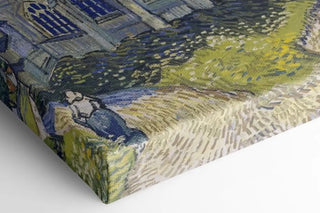
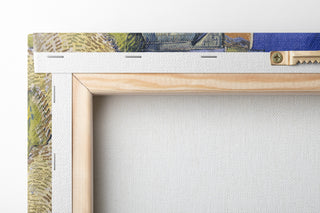
View from behind
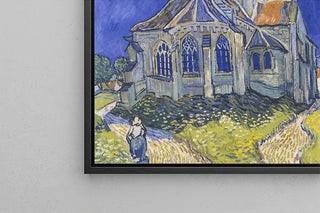
Frame (optional)
In the vast panorama of baroque art, the artwork "Une sainte nonne" by Simone Pignoni emerges as a captivating example of the spirituality and emotional depth that characterize this period. This painting, imbued with remarkable delicacy and intensity, transports us to a universe where faith and beauty intertwine. The artist, active in Florence in the 17th century, manages to capture the very essence of devotion through the contemplative gaze of her protagonist. The art print of this piece allows not only for admiration of its scholarly composition but also for exploring universal themes of spirituality and the human condition.
Style and uniqueness of the work
Pignoni's style is distinguished by technical mastery that combines finesse and expressiveness. In "Une sainte nonne," the interplay of light and shadow creates a mystical atmosphere, where every detail is carefully considered to reinforce the spiritual message of the work. The saint's face, illuminated by a soft light, expresses a haunting serenity, while the drapery of her garment reveals virtuosity in rendering textures. The colors, subtly nuanced, demonstrate a keen sense of chromatic harmony, allowing the piece to breathe while remaining rooted in a tangible reality. Thus, Pignoni transcends the simple portrait to offer a true contemplative experience, inviting the viewer to reflect on faith and devotion.
The artist and his influence
Simone Pignoni, often regarded as a disciple of the Florentine school, has established himself through his unique style and innovative approach. Raised in a rich artistic environment, he was influenced by the great masters of his time, while developing a distinctive voice that sets him apart from other baroque artists. His work reflects a particular sensitivity to spirituality, mirroring the religious concerns of his era. By incorporating elements of popular culture into his compositions, Pignoni was able to reach a broad audience, making sacred art accessible and relevant. His legacy endures, inspiring many contemporary artists who
Painting A Holy Nun - Simone Pignoni | Art print

-10% FROM €95 IN PURCHASES
-15% FROM €195 IN PURCHASES
Regular price
- Unit price
- per
Tax included.
Free shipping
€4.90 / Free shipping on orders over €39
Satisfied or Money Back
Free returns within 30 days
10-year warranty
Our prints are guaranteed for 10 years
Any questions? We are here!
by email to contact@artemlegrand.com
THE STEPS OF YOUR ORDER

STEP 1 - ORDER PLACED
Your order has been confirmed and we are starting production
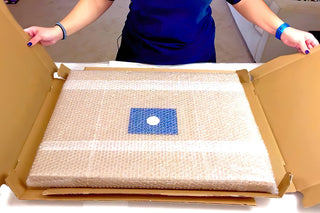
STEP 2 - SHIPPING
We ship your order. We send you an email to track the progress

STEP 3 - DELIVERY
You receive your order. You can also, according to your choice, be delivered to a relay point.
Matte finish
View from behind
Frame (optional)
In the vast panorama of baroque art, the artwork "Une sainte nonne" by Simone Pignoni emerges as a captivating example of the spirituality and emotional depth that characterize this period. This painting, imbued with remarkable delicacy and intensity, transports us to a universe where faith and beauty intertwine. The artist, active in Florence in the 17th century, manages to capture the very essence of devotion through the contemplative gaze of her protagonist. The art print of this piece allows not only for admiration of its scholarly composition but also for exploring universal themes of spirituality and the human condition.
Style and uniqueness of the work
Pignoni's style is distinguished by technical mastery that combines finesse and expressiveness. In "Une sainte nonne," the interplay of light and shadow creates a mystical atmosphere, where every detail is carefully considered to reinforce the spiritual message of the work. The saint's face, illuminated by a soft light, expresses a haunting serenity, while the drapery of her garment reveals virtuosity in rendering textures. The colors, subtly nuanced, demonstrate a keen sense of chromatic harmony, allowing the piece to breathe while remaining rooted in a tangible reality. Thus, Pignoni transcends the simple portrait to offer a true contemplative experience, inviting the viewer to reflect on faith and devotion.
The artist and his influence
Simone Pignoni, often regarded as a disciple of the Florentine school, has established himself through his unique style and innovative approach. Raised in a rich artistic environment, he was influenced by the great masters of his time, while developing a distinctive voice that sets him apart from other baroque artists. His work reflects a particular sensitivity to spirituality, mirroring the religious concerns of his era. By incorporating elements of popular culture into his compositions, Pignoni was able to reach a broad audience, making sacred art accessible and relevant. His legacy endures, inspiring many contemporary artists who
12,34 €