
Art print of a man showing two children's toys on the sidewalk of a printing house - Pedro de Weyer


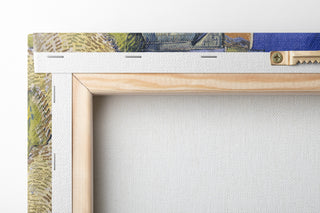
View from behind
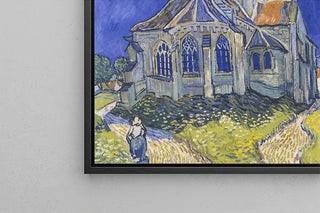
Frame (optional)
In the vast panorama of 19th-century Belgian art, the work of Pedro de Weyer stands out for its ability to capture simple moments of everyday life while elevating them to an almost poetic dimension. The art print Un homme montre deux jouets d'enfants sur le trottoir d'une imprimerie - Pedro de Weyer invites us to immerse ourselves in a scene that is both familiar and nostalgic. With undeniable mastery of colors and shapes, the artist manages to evoke deep emotions through objects that, at first glance, may seem trivial. This painting, far from being a mere representation, becomes a mirror of the human soul, revealing small joys and childhood memories that shape us.
Style and uniqueness of the work
Pedro de Weyer's style is characterized by a realistic approach, but also by a particular sensitivity to light and atmosphere. In this piece, the children's toys, though modest, are highlighted by a thoughtful composition and a warm color palette. The artist skillfully plays with shadows and reflections, creating an almost cinematic ambiance. The meticulous details, such as the texture of the toys and the cobblestone pavement, add a tactile dimension to the scene, inviting the viewer to feel the materiality of the depicted objects. Moreover, the presence of the printing house in the background evokes a world in full transformation, where industrialization coexists with memories of carefree childhood. This juxtaposition between the everyday and the symbolic gives the work depth and richness that continually provoke reflection.
The artist and his influence
Pedro de Weyer, often little known, is an artist worth rediscovering. Born in 1820, he managed to establish himself in the Belgian artistic landscape thanks to his unique approach and his ability to capture the essence of urban life. Influenced by the great masters of realism, he developed a style that is his own, blending meticulous observation with poetry. His work bears witness to a
Art print of a man showing two children's toys on the sidewalk of a printing house - Pedro de Weyer

-10% FROM €95 IN PURCHASES
-15% FROM €195 IN PURCHASES
Regular price
- Unit price
- per
Tax included.
Free shipping
€4.90 / Free shipping on orders over €39
Satisfied or Money Back
Free returns within 30 days
10-year warranty
Our prints are guaranteed for 10 years
Any questions? We are here!
by email to contact@artemlegrand.com
THE STEPS OF YOUR ORDER

STEP 1 - ORDER PLACED
Your order has been confirmed and we are starting production
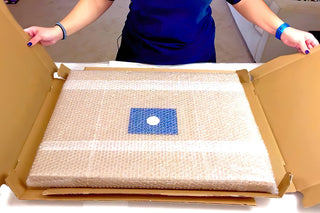
STEP 2 - SHIPPING
We ship your order. We send you an email to track the progress

STEP 3 - DELIVERY
You receive your order. You can also, according to your choice, be delivered to a relay point.
Matte finish
View from behind
Frame (optional)
In the vast panorama of 19th-century Belgian art, the work of Pedro de Weyer stands out for its ability to capture simple moments of everyday life while elevating them to an almost poetic dimension. The art print Un homme montre deux jouets d'enfants sur le trottoir d'une imprimerie - Pedro de Weyer invites us to immerse ourselves in a scene that is both familiar and nostalgic. With undeniable mastery of colors and shapes, the artist manages to evoke deep emotions through objects that, at first glance, may seem trivial. This painting, far from being a mere representation, becomes a mirror of the human soul, revealing small joys and childhood memories that shape us.
Style and uniqueness of the work
Pedro de Weyer's style is characterized by a realistic approach, but also by a particular sensitivity to light and atmosphere. In this piece, the children's toys, though modest, are highlighted by a thoughtful composition and a warm color palette. The artist skillfully plays with shadows and reflections, creating an almost cinematic ambiance. The meticulous details, such as the texture of the toys and the cobblestone pavement, add a tactile dimension to the scene, inviting the viewer to feel the materiality of the depicted objects. Moreover, the presence of the printing house in the background evokes a world in full transformation, where industrialization coexists with memories of carefree childhood. This juxtaposition between the everyday and the symbolic gives the work depth and richness that continually provoke reflection.
The artist and his influence
Pedro de Weyer, often little known, is an artist worth rediscovering. Born in 1820, he managed to establish himself in the Belgian artistic landscape thanks to his unique approach and his ability to capture the essence of urban life. Influenced by the great masters of realism, he developed a style that is his own, blending meticulous observation with poetry. His work bears witness to a
12,34 €