
Painting A lady combing her hair - Gerard ter Borch | Art print


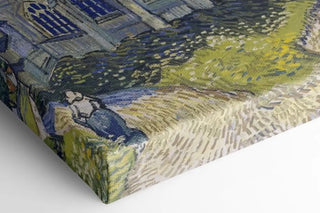
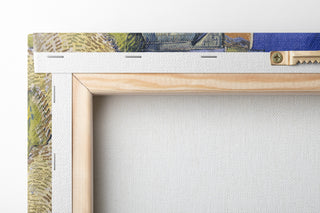
View from behind
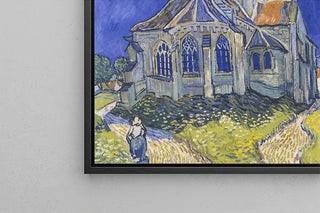
Frame (optional)
In the fascinating world of 17th-century painting, the art print "A Lady Combing Her Hair" by Gerard ter Borch stands out for its delicacy and refinement. This piece, capturing a moment of intimacy and beauty, invites the viewer to immerse themselves in a graceful daily life. The scene, where a woman carefully prepares herself, evokes an atmosphere of serenity while revealing the artist's technical mastery. The soft light bathing the composition highlights the rich textures of the clothing and accessories, while the focused expression of the protagonist engages the viewer's gaze and sparks an emotional connection.
Style and uniqueness of the art print
Gerard ter Borch's style is characterized by meticulous attention to detail and a keen sense of composition. In "A Lady Combing Her Hair," every element, from the mirror with its subtle reflections to the sumptuous drapery, demonstrates his skill in depicting reality with an almost photographic precision. The color palette, dominated by gentle and harmonious tones, helps create a calming atmosphere, while the interplay of light and shadow adds captivating depth to the scene. The art print is not limited to a simple representation; it also evokes reflection on beauty, the passage of time, and daily rituals. Ter Borch thus manages to transcend the simple portrait to offer a rich and immersive visual experience.
The artist and his influence
Gerard ter Borch, born in 1617 in the Netherlands, is considered one of the masters of genre painting. His career, marked by travels across Europe, allowed him to incorporate various influences while developing a distinctive personal style. Ter Borch captured the essence of bourgeois life of his time, highlighting intimate scenes where characters seem to come alive under the viewer's gaze. His influence extends beyond his era, inspiring many artists who followed, particularly in portraiture and genre painting. The finesse of his work and his psychological approach to characters continue to be admired and studied, making him an essential figure in art history.
A decoration
Painting A lady combing her hair - Gerard ter Borch | Art print

-10% FROM €95 IN PURCHASES
-15% FROM €195 IN PURCHASES
Regular price
- Unit price
- per
Tax included.
Free shipping
€4.90 / Free shipping on orders over €39
Satisfied or Money Back
Free returns within 30 days
10-year warranty
Our prints are guaranteed for 10 years
Any questions? We are here!
by email to contact@artemlegrand.com
THE STEPS OF YOUR ORDER

STEP 1 - ORDER PLACED
Your order has been confirmed and we are starting production
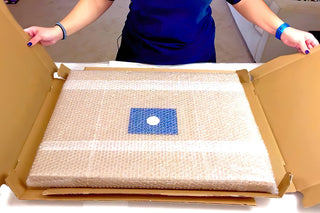
STEP 2 - SHIPPING
We ship your order. We send you an email to track the progress

STEP 3 - DELIVERY
You receive your order. You can also, according to your choice, be delivered to a relay point.
Matte finish
View from behind
Frame (optional)
In the fascinating world of 17th-century painting, the art print "A Lady Combing Her Hair" by Gerard ter Borch stands out for its delicacy and refinement. This piece, capturing a moment of intimacy and beauty, invites the viewer to immerse themselves in a graceful daily life. The scene, where a woman carefully prepares herself, evokes an atmosphere of serenity while revealing the artist's technical mastery. The soft light bathing the composition highlights the rich textures of the clothing and accessories, while the focused expression of the protagonist engages the viewer's gaze and sparks an emotional connection.
Style and uniqueness of the art print
Gerard ter Borch's style is characterized by meticulous attention to detail and a keen sense of composition. In "A Lady Combing Her Hair," every element, from the mirror with its subtle reflections to the sumptuous drapery, demonstrates his skill in depicting reality with an almost photographic precision. The color palette, dominated by gentle and harmonious tones, helps create a calming atmosphere, while the interplay of light and shadow adds captivating depth to the scene. The art print is not limited to a simple representation; it also evokes reflection on beauty, the passage of time, and daily rituals. Ter Borch thus manages to transcend the simple portrait to offer a rich and immersive visual experience.
The artist and his influence
Gerard ter Borch, born in 1617 in the Netherlands, is considered one of the masters of genre painting. His career, marked by travels across Europe, allowed him to incorporate various influences while developing a distinctive personal style. Ter Borch captured the essence of bourgeois life of his time, highlighting intimate scenes where characters seem to come alive under the viewer's gaze. His influence extends beyond his era, inspiring many artists who followed, particularly in portraiture and genre painting. The finesse of his work and his psychological approach to characters continue to be admired and studied, making him an essential figure in art history.
A decoration
12,34 €