
Painting A Lady at the Window - Jean Raoux | Art print


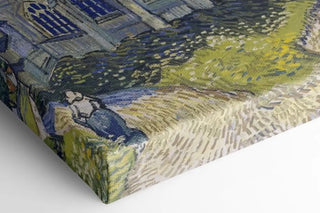
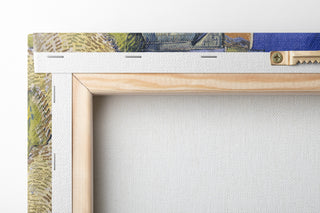
View from behind
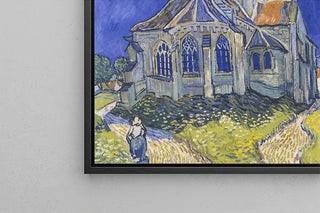
Frame (optional)
In the vast panorama of art history, certain works stand out for their ability to capture a moment, to freeze an emotion, and to invite the viewer into an intimate universe. "Une dame à la fenêtre" by Jean Raoux is one of those creations that, beyond its aesthetic beauty, evokes an atmosphere of mystery and contemplation. This artwork, painted in the early 18th century, embodies the refinement of the era while revealing the complexity of human feelings. The lady, frozen in a moment of reflection, seems both present and distant, offering a penetrating gaze that challenges anyone who crosses her path. The soft light enveloping the scene accentuates this duality, creating a dialogue between the interior and exterior, between the intimate and the universal.
Style and uniqueness of the work
Jean Raoux's style is characterized by a remarkable mastery of light and shadow, a fundamental element of his artistic approach. In "Une dame à la fenêtre," he uses delicate tones to evoke a serene and contemplative atmosphere. The meticulous details of the protagonist's clothing, as well as the texture of the drapes, demonstrate a particular attention to the representation of fabrics and emotions. The composition, carefully orchestrated, guides the viewer's gaze toward the lady's face, whose enigmatic expression raises questions about her thoughts and dreams. This painting does not merely depict a female figure; it tells a story, that of a woman at the crossroads between her inner world and external reality.
The artist and his influence
Jean Raoux, born in Avignon in 1670, is an emblematic figure of the Baroque movement in France. Trained within the artistic traditions of his time, he developed a style that combines French sensitivity with Italian influences. His ability to capture female beauty and to express complex emotions made him a sought-after artist of his era. As a portraitist, Raoux transcended simple representation to offer works charged with meaning and depth. His influence extends beyond his time, inspiring many artists who sought to explore the nuances of the
Painting A Lady at the Window - Jean Raoux | Art print

-10% FROM €95 IN PURCHASES
-15% FROM €195 IN PURCHASES
Regular price
- Unit price
- per
Tax included.
Free shipping
€4.90 / Free shipping on orders over €39
Satisfied or Money Back
Free returns within 30 days
10-year warranty
Our prints are guaranteed for 10 years
Any questions? We are here!
by email to contact@artemlegrand.com
THE STEPS OF YOUR ORDER

STEP 1 - ORDER PLACED
Your order has been confirmed and we are starting production
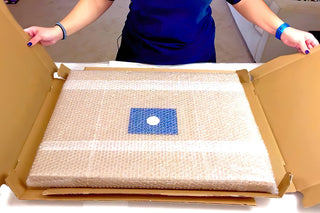
STEP 2 - SHIPPING
We ship your order. We send you an email to track the progress

STEP 3 - DELIVERY
You receive your order. You can also, according to your choice, be delivered to a relay point.
Matte finish
View from behind
Frame (optional)
In the vast panorama of art history, certain works stand out for their ability to capture a moment, to freeze an emotion, and to invite the viewer into an intimate universe. "Une dame à la fenêtre" by Jean Raoux is one of those creations that, beyond its aesthetic beauty, evokes an atmosphere of mystery and contemplation. This artwork, painted in the early 18th century, embodies the refinement of the era while revealing the complexity of human feelings. The lady, frozen in a moment of reflection, seems both present and distant, offering a penetrating gaze that challenges anyone who crosses her path. The soft light enveloping the scene accentuates this duality, creating a dialogue between the interior and exterior, between the intimate and the universal.
Style and uniqueness of the work
Jean Raoux's style is characterized by a remarkable mastery of light and shadow, a fundamental element of his artistic approach. In "Une dame à la fenêtre," he uses delicate tones to evoke a serene and contemplative atmosphere. The meticulous details of the protagonist's clothing, as well as the texture of the drapes, demonstrate a particular attention to the representation of fabrics and emotions. The composition, carefully orchestrated, guides the viewer's gaze toward the lady's face, whose enigmatic expression raises questions about her thoughts and dreams. This painting does not merely depict a female figure; it tells a story, that of a woman at the crossroads between her inner world and external reality.
The artist and his influence
Jean Raoux, born in Avignon in 1670, is an emblematic figure of the Baroque movement in France. Trained within the artistic traditions of his time, he developed a style that combines French sensitivity with Italian influences. His ability to capture female beauty and to express complex emotions made him a sought-after artist of his era. As a portraitist, Raoux transcended simple representation to offer works charged with meaning and depth. His influence extends beyond his time, inspiring many artists who sought to explore the nuances of the
12,34 €