
Painting A Head of a Bull - Paulus Potter | Art print


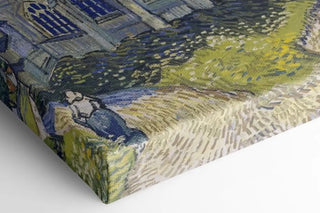
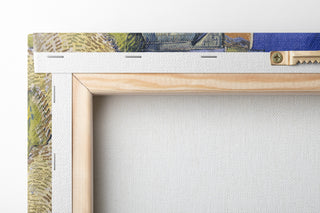
View from behind
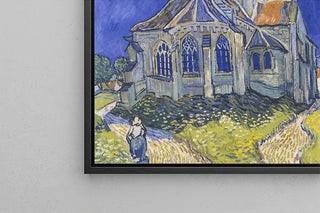
Frame (optional)
In the vibrant world of 17th-century animal painting, "A Bovine Head" by Paulus Potter stands out for its evocative power and striking realism. This iconic artwork, created in 1647, captures the very essence of the animal, offering a representation that is both faithful and poetic. The way Potter manages to breathe life into this livestock, while playing with shadows and light, invites the viewer to engage in silent contemplation. The majestic head of the ox, with its meticulous details, draws the eye and prompts reflection on the relationship between humans and nature, a theme dear to the artist.
Style and uniqueness of the work
The uniqueness of "A Bovine Head" lies in Paulus Potter's technical virtuosity, who excels in depicting textures and volumes. Every hair, every muscle, every shadow is rendered with a precision that borders on photographic realism. The choice of colors, both earthy and vibrant, helps create an almost tangible atmosphere. Potter does not merely reproduce an animal; he makes it a symbol of strength and majesty, while revealing the intrinsic beauty of rural life. This painting is not limited to a simple anatomical study; it also evokes a certain melancholy, a nostalgia for a world where harmony between humans and nature was more palpable. The artist thus succeeds in transcending the depicted subject to create a work of art in its own right.
The artist and his influence
Paulus Potter, born in 1625 in Amsterdam, is often regarded as one of the pioneers of animal painting. His training within his father's workshop, also a painter, allowed him to develop an innovative approach that would mark his era. By integrating landscape elements into his compositions, he broadened the scope of animal painting, giving it a narrative and emotional dimension. His influence extends beyond his time, inspiring many artists who came after him. Indeed, Potter's ability to capture the essence of animals and place them in a natural context opened the way
Painting A Head of a Bull - Paulus Potter | Art print

-10% FROM €95 IN PURCHASES
-15% FROM €195 IN PURCHASES
Regular price
- Unit price
- per
Tax included.
Free shipping
€4.90 / Free shipping on orders over €39
Satisfied or Money Back
Free returns within 30 days
10-year warranty
Our prints are guaranteed for 10 years
Any questions? We are here!
by email to contact@artemlegrand.com
THE STEPS OF YOUR ORDER

STEP 1 - ORDER PLACED
Your order has been confirmed and we are starting production
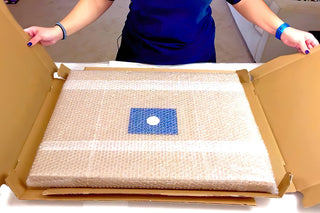
STEP 2 - SHIPPING
We ship your order. We send you an email to track the progress

STEP 3 - DELIVERY
You receive your order. You can also, according to your choice, be delivered to a relay point.
Matte finish
View from behind
Frame (optional)
In the vibrant world of 17th-century animal painting, "A Bovine Head" by Paulus Potter stands out for its evocative power and striking realism. This iconic artwork, created in 1647, captures the very essence of the animal, offering a representation that is both faithful and poetic. The way Potter manages to breathe life into this livestock, while playing with shadows and light, invites the viewer to engage in silent contemplation. The majestic head of the ox, with its meticulous details, draws the eye and prompts reflection on the relationship between humans and nature, a theme dear to the artist.
Style and uniqueness of the work
The uniqueness of "A Bovine Head" lies in Paulus Potter's technical virtuosity, who excels in depicting textures and volumes. Every hair, every muscle, every shadow is rendered with a precision that borders on photographic realism. The choice of colors, both earthy and vibrant, helps create an almost tangible atmosphere. Potter does not merely reproduce an animal; he makes it a symbol of strength and majesty, while revealing the intrinsic beauty of rural life. This painting is not limited to a simple anatomical study; it also evokes a certain melancholy, a nostalgia for a world where harmony between humans and nature was more palpable. The artist thus succeeds in transcending the depicted subject to create a work of art in its own right.
The artist and his influence
Paulus Potter, born in 1625 in Amsterdam, is often regarded as one of the pioneers of animal painting. His training within his father's workshop, also a painter, allowed him to develop an innovative approach that would mark his era. By integrating landscape elements into his compositions, he broadened the scope of animal painting, giving it a narrative and emotional dimension. His influence extends beyond his time, inspiring many artists who came after him. Indeed, Potter's ability to capture the essence of animals and place them in a natural context opened the way
12,34 €