
Art print of a painting "A goose and a heron with their goslings honking as a warning while two foxes and their young emerge from the reeds" by Johann Heinrich Wilhelm Tischbein


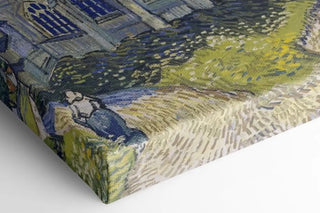
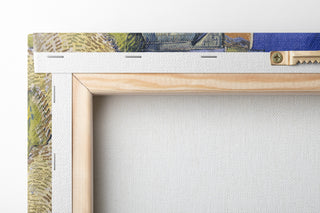
View from behind
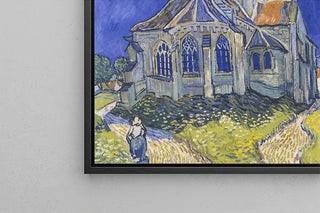
Frame (optional)
In a world where nature reveals itself as both gentle and wild, Johann Heinrich Wilhelm Tischbein's work, "A goose and a drake with their goslings honking as a warning while two foxes and their cubs emerge from the reeds," stands as a vivid tableau, a scene filled with vitality and tension. This piece, seemingly simple at first glance, depicts a confrontation between domestic and wild fauna—a fleeting moment where survival instinct clashes with the beauty of life. The geese, symbols of vigilance and protection, animate with a warning cry, while the foxes, figures of cunning, approach stealthily, creating an atmosphere that is both tense and captivating. This dynamic between the various elements of nature invites us to reflect on the complex interactions that govern the animal kingdom.
Style and uniqueness of the work
Tischbein's style is characterized by meticulous attention to detail and a color palette that evokes the richness of natural landscapes. In this piece, the shades of green in the reeds contrast with the vibrant feathers of the geese, creating a harmonious visual balance. The way the artist captures light and shadow on the birds' plumage and the foxes' fur demonstrates impressive technical mastery. Every brushstroke seems to breathe life, making the scene almost palpable. The composition is carefully orchestrated, with each element occupying a precise place that contributes to the overall narrative. The dramatic tension of the scene is heightened by the posture of the animals—tensed bodies, ready to react to the threat—while their innocent and vulnerable cubs add an emotional layer to the work. This ability to convey emotions through animal representation is one of Tischbein's signature traits.
The artist and his influence
Johann Heinrich Wilhelm Tischbein, an emblematic figure of German Romanticism, skillfully combined classical tradition with modern sensitivity. Born in 1751, he was
Art print of a painting "A goose and a heron with their goslings honking as a warning while two foxes and their young emerge from the reeds" by Johann Heinrich Wilhelm Tischbein

-10% FROM €95 IN PURCHASES
-15% FROM €195 IN PURCHASES
Regular price
- Unit price
- per
Tax included.
Free shipping
€4.90 / Free shipping on orders over €39
Satisfied or Money Back
Free returns within 30 days
10-year warranty
Our prints are guaranteed for 10 years
Any questions? We are here!
by email to contact@artemlegrand.com
THE STEPS OF YOUR ORDER

STEP 1 - ORDER PLACED
Your order has been confirmed and we are starting production

STEP 2 - SHIPPING
We ship your order. We send you an email to track the progress

STEP 3 - DELIVERY
You receive your order. You can also, according to your choice, be delivered to a relay point.
Matte finish
View from behind
Frame (optional)
In a world where nature reveals itself as both gentle and wild, Johann Heinrich Wilhelm Tischbein's work, "A goose and a drake with their goslings honking as a warning while two foxes and their cubs emerge from the reeds," stands as a vivid tableau, a scene filled with vitality and tension. This piece, seemingly simple at first glance, depicts a confrontation between domestic and wild fauna—a fleeting moment where survival instinct clashes with the beauty of life. The geese, symbols of vigilance and protection, animate with a warning cry, while the foxes, figures of cunning, approach stealthily, creating an atmosphere that is both tense and captivating. This dynamic between the various elements of nature invites us to reflect on the complex interactions that govern the animal kingdom.
Style and uniqueness of the work
Tischbein's style is characterized by meticulous attention to detail and a color palette that evokes the richness of natural landscapes. In this piece, the shades of green in the reeds contrast with the vibrant feathers of the geese, creating a harmonious visual balance. The way the artist captures light and shadow on the birds' plumage and the foxes' fur demonstrates impressive technical mastery. Every brushstroke seems to breathe life, making the scene almost palpable. The composition is carefully orchestrated, with each element occupying a precise place that contributes to the overall narrative. The dramatic tension of the scene is heightened by the posture of the animals—tensed bodies, ready to react to the threat—while their innocent and vulnerable cubs add an emotional layer to the work. This ability to convey emotions through animal representation is one of Tischbein's signature traits.
The artist and his influence
Johann Heinrich Wilhelm Tischbein, an emblematic figure of German Romanticism, skillfully combined classical tradition with modern sensitivity. Born in 1751, he was
12,34 €