
Painting A girl carding wool - Kilian Zoll | Art print


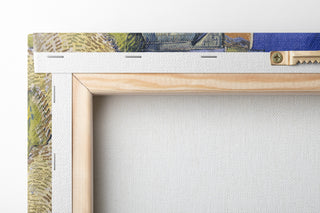
View from behind
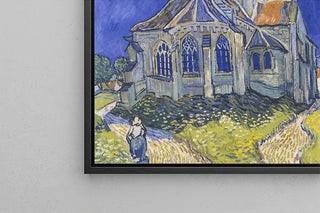
Frame (optional)
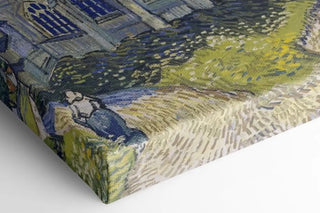
In the vast panorama of art history, some works stand out for their ability to capture the very essence of everyday life. "Une fille qui carde" by Kilian Zoll is one of those creations that, through its apparent simplicity, evokes emotional and narrative depth. This piece, created at a time when art was moving away from academic conventions, immerses us in a moment of calm and concentration, where the artist manages to immortalize a scene from rural life. The young girl, absorbed in her activity, becomes the symbol of a bygone era, yet her echoes still resonate in our modern society. The art print of this work allows us to rediscover this peaceful atmosphere and to reflect on the relationship between man and his work.
Style and uniqueness of the work
Kilian Zoll's style is characterized by meticulous attention to detail and a color palette that evokes both softness and melancholy. In "Une fille qui carde," delicate nuances used to depict the natural light bathing the scene create an intimate ambiance. The artist skillfully plays with shadows and highlights, emphasizing the face of the young girl, whose expression appears both serene and contemplative. This stylistic choice allows the work to transcend simple realism, infusing it with an almost poetic dimension. The composition, though simple, is rich in meaning, revealing the beauty of everyday gestures and the dignity of manual labor. This ability to transform an ordinary scene into a tableau charged with emotion makes this piece a true masterpiece.
The artist and his influence
Kilian Zoll, though less known than some of his contemporaries, has left a significant mark in the art world. His approach, at the crossroads of realism and romanticism, demonstrates a particular sensitivity to the human condition. Influenced by the great masters of his time, he manages to create an universe where each character, each gesture, tells a story. The artist was also a keen observer of his era, drawing inspiration from the social and industrial transformations that marked the end of the 19th century. This capacity to integrate
Painting A girl carding wool - Kilian Zoll | Art print

-10% FROM €95 IN PURCHASES
-15% FROM €195 IN PURCHASES
Regular price
- Unit price
- per
Tax included.
Free shipping
€4.90 / Free shipping on orders over €39
Satisfied or Money Back
Free returns within 30 days
10-year warranty
Our prints are guaranteed for 10 years
Any questions? We are here!
by email to contact@artemlegrand.com
THE STEPS OF YOUR ORDER

STEP 1 - ORDER PLACED
Your order has been confirmed and we are starting production
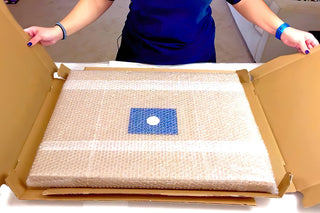
STEP 2 - SHIPPING
We ship your order. We send you an email to track the progress

STEP 3 - DELIVERY
You receive your order. You can also, according to your choice, be delivered to a relay point.
Matte finish
View from behind
Frame (optional)
In the vast panorama of art history, some works stand out for their ability to capture the very essence of everyday life. "Une fille qui carde" by Kilian Zoll is one of those creations that, through its apparent simplicity, evokes emotional and narrative depth. This piece, created at a time when art was moving away from academic conventions, immerses us in a moment of calm and concentration, where the artist manages to immortalize a scene from rural life. The young girl, absorbed in her activity, becomes the symbol of a bygone era, yet her echoes still resonate in our modern society. The art print of this work allows us to rediscover this peaceful atmosphere and to reflect on the relationship between man and his work.
Style and uniqueness of the work
Kilian Zoll's style is characterized by meticulous attention to detail and a color palette that evokes both softness and melancholy. In "Une fille qui carde," delicate nuances used to depict the natural light bathing the scene create an intimate ambiance. The artist skillfully plays with shadows and highlights, emphasizing the face of the young girl, whose expression appears both serene and contemplative. This stylistic choice allows the work to transcend simple realism, infusing it with an almost poetic dimension. The composition, though simple, is rich in meaning, revealing the beauty of everyday gestures and the dignity of manual labor. This ability to transform an ordinary scene into a tableau charged with emotion makes this piece a true masterpiece.
The artist and his influence
Kilian Zoll, though less known than some of his contemporaries, has left a significant mark in the art world. His approach, at the crossroads of realism and romanticism, demonstrates a particular sensitivity to the human condition. Influenced by the great masters of his time, he manages to create an universe where each character, each gesture, tells a story. The artist was also a keen observer of his era, drawing inspiration from the social and industrial transformations that marked the end of the 19th century. This capacity to integrate
12,34 €