
Art print Un génie sert un petit déjeuner - Paul Klee | Art print


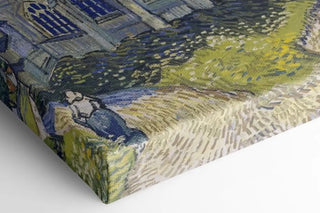
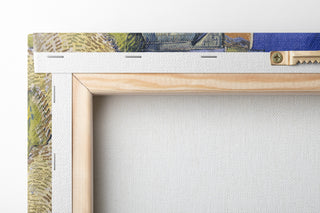
View from behind
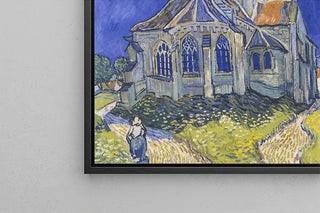
Frame (optional)
In the fascinating universe of modern art, "Un génie sert un petit déjeuner" by Paul Klee stands out for its unique and poetic approach. This artwork, created in 1920, invites viewers to immerse themselves in a world where imagination and everyday life intersect. Klee, with his inimitable style, manages to transform a mundane moment into a visually rich experience filled with symbols and emotions. This painting, both playful and introspective, depicts a scene where the genius, an emblematic figure of creativity, is at the service of an act as simple as having breakfast. This image, both charming and evocative, encourages us to reflect on the very nature of artistic creation and how ordinary moments can become extraordinary.
Style and uniqueness of the work
Klee's work is often characterized by bold use of colors and shapes. In "Un génie sert un petit déjeuner," the artist plays with vivid hues and geometric patterns that seem to dance across the canvas. The characters, stylized and almost childlike, are depicted in a dynamic that evokes both lightness and depth. Klee uses sinuous lines and organic forms to create a dreamlike atmosphere, where each element of the composition appears to have its own story to tell. This playful and imaginative approach echoes the spirit of surrealism, while maintaining the artist's personal touch. The work also embodies a reflection on the duality between the sacred and the profane, with the genius being both a source of inspiration and a simple servant of daily pleasures. It is this ability to transcend the banal that gives the artwork timeless depth.
The artist and his influence
Paul Klee, born in Switzerland in 1879, is one of the major figures of the expressionist movement and the Bauhaus. His work, marked by an insatiable curiosity for shapes and colors, has profoundly influenced modern art. Klee managed to blend elements of European pictorial tradition with inspirations from primitive art and non-Western cultures. His innovative approach
Art print Un génie sert un petit déjeuner - Paul Klee | Art print

-10% FROM €95 IN PURCHASES
-15% FROM €195 IN PURCHASES
Regular price
- Unit price
- per
Tax included.
Free shipping
€4.90 / Free shipping on orders over €39
Satisfied or Money Back
Free returns within 30 days
10-year warranty
Our prints are guaranteed for 10 years
Any questions? We are here!
by email to contact@artemlegrand.com
THE STEPS OF YOUR ORDER
STEP 1 - ORDER PLACED
Your order has been confirmed and we are starting production
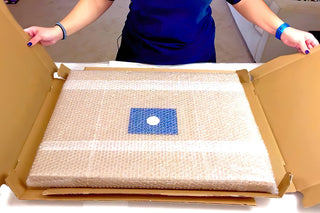
STEP 2 - SHIPPING
We ship your order. We send you an email to track the progress

STEP 3 - DELIVERY
You receive your order. You can also, according to your choice, be delivered to a relay point.
Matte finish
View from behind
Frame (optional)
In the fascinating universe of modern art, "Un génie sert un petit déjeuner" by Paul Klee stands out for its unique and poetic approach. This artwork, created in 1920, invites viewers to immerse themselves in a world where imagination and everyday life intersect. Klee, with his inimitable style, manages to transform a mundane moment into a visually rich experience filled with symbols and emotions. This painting, both playful and introspective, depicts a scene where the genius, an emblematic figure of creativity, is at the service of an act as simple as having breakfast. This image, both charming and evocative, encourages us to reflect on the very nature of artistic creation and how ordinary moments can become extraordinary.
Style and uniqueness of the work
Klee's work is often characterized by bold use of colors and shapes. In "Un génie sert un petit déjeuner," the artist plays with vivid hues and geometric patterns that seem to dance across the canvas. The characters, stylized and almost childlike, are depicted in a dynamic that evokes both lightness and depth. Klee uses sinuous lines and organic forms to create a dreamlike atmosphere, where each element of the composition appears to have its own story to tell. This playful and imaginative approach echoes the spirit of surrealism, while maintaining the artist's personal touch. The work also embodies a reflection on the duality between the sacred and the profane, with the genius being both a source of inspiration and a simple servant of daily pleasures. It is this ability to transcend the banal that gives the artwork timeless depth.
The artist and his influence
Paul Klee, born in Switzerland in 1879, is one of the major figures of the expressionist movement and the Bauhaus. His work, marked by an insatiable curiosity for shapes and colors, has profoundly influenced modern art. Klee managed to blend elements of European pictorial tradition with inspirations from primitive art and non-Western cultures. His innovative approach
12,34 €