
Art print of a Subjugated African - William James Müller | Art print


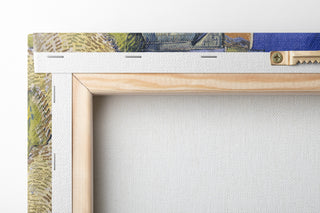
View from behind
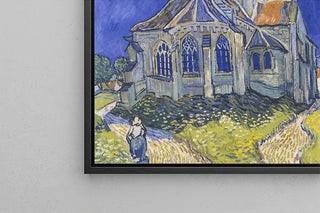
Frame (optional)
Reproduction Un Africain asservi - William James Müller – Introduction captivante
The artwork "Un Africain asservi" by William James Müller immerses us in a profound reflection on the human condition, slavery, and suffering. Through this painting, the British artist of the 19th century manages to capture the essence of an era marked by blatant injustices. The depicted scene, imbued with melancholy, resonates with an emotional intensity that immediately captures the viewer's eye and mind. The portrayal of a man, symbolizing pain and oppression, questions our collective conscience. This piece, beyond its artistic value, becomes a powerful vessel of memory and testimony.
Style and uniqueness of the artwork
William James Müller's style is distinguished by a blend of realism and romanticism. In "Un Africain asservi," warm colors and skillfully rendered shadows create a poignant atmosphere. Müller uses a rich palette that evokes the warmth of African lands while highlighting the drama of the scene. The meticulous details of the human figure, from facial expressions to postures, demonstrate undeniable technical mastery. The artist succeeds in evoking immediate empathy, making his subject both particular and universal. The composition, balanced and harmonious, guides the viewer's gaze toward the face of the protagonist, revealing the depth of his despair. This piece, with its distinctive style, transcends mere decorative framing to become a reflection on humanity.
The artist and his influence
William James Müller, born in 1812 in Bristol, is often regarded as one of the precursors of the Pre-Raphaelite movement. His work is marked by a commitment to social and historical themes, often related to nature and humanity. Müller traveled across Europe and the Orient, drawing inspiration from the landscapes and cultures he encountered. "Un Africain asservi" fits within this lineage of meaningful works, where art becomes a means of denunciation and awareness. His influence extends beyond his era, inspiring many artists to address social issues with the same intensity.
Art print of a Subjugated African - William James Müller | Art print

-10% FROM €95 IN PURCHASES
-15% FROM €195 IN PURCHASES
Regular price
- Unit price
- per
Tax included.
Free shipping
€4.90 / Free shipping on orders over €39
Satisfied or Money Back
Free returns within 30 days
10-year warranty
Our prints are guaranteed for 10 years
Any questions? We are here!
by email to contact@artemlegrand.com
THE STEPS OF YOUR ORDER

STEP 1 - ORDER PLACED
Your order has been confirmed and we are starting production
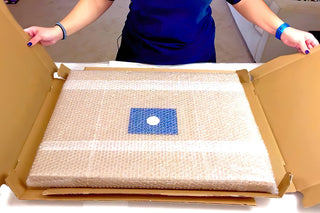
STEP 2 - SHIPPING
We ship your order. We send you an email to track the progress

STEP 3 - DELIVERY
You receive your order. You can also, according to your choice, be delivered to a relay point.
Matte finish
View from behind
Frame (optional)
Reproduction Un Africain asservi - William James Müller – Introduction captivante
The artwork "Un Africain asservi" by William James Müller immerses us in a profound reflection on the human condition, slavery, and suffering. Through this painting, the British artist of the 19th century manages to capture the essence of an era marked by blatant injustices. The depicted scene, imbued with melancholy, resonates with an emotional intensity that immediately captures the viewer's eye and mind. The portrayal of a man, symbolizing pain and oppression, questions our collective conscience. This piece, beyond its artistic value, becomes a powerful vessel of memory and testimony.
Style and uniqueness of the artwork
William James Müller's style is distinguished by a blend of realism and romanticism. In "Un Africain asservi," warm colors and skillfully rendered shadows create a poignant atmosphere. Müller uses a rich palette that evokes the warmth of African lands while highlighting the drama of the scene. The meticulous details of the human figure, from facial expressions to postures, demonstrate undeniable technical mastery. The artist succeeds in evoking immediate empathy, making his subject both particular and universal. The composition, balanced and harmonious, guides the viewer's gaze toward the face of the protagonist, revealing the depth of his despair. This piece, with its distinctive style, transcends mere decorative framing to become a reflection on humanity.
The artist and his influence
William James Müller, born in 1812 in Bristol, is often regarded as one of the precursors of the Pre-Raphaelite movement. His work is marked by a commitment to social and historical themes, often related to nature and humanity. Müller traveled across Europe and the Orient, drawing inspiration from the landscapes and cultures he encountered. "Un Africain asservi" fits within this lineage of meaningful works, where art becomes a means of denunciation and awareness. His influence extends beyond his era, inspiring many artists to address social issues with the same intensity.
12,34 €