
Painting A deck of cards - Gabriel Metsu | Art print


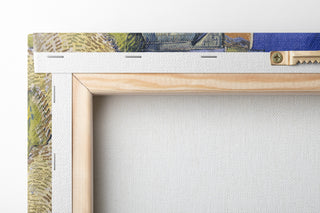
View from behind
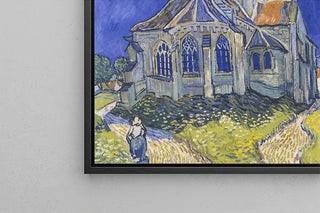
Frame (optional)
In the vibrant world of 17th-century Dutch painting, the artwork "Un jeu de cartes" by Gabriel Metsu stands out for its ability to capture the very essence of human interactions. This canvas, which depicts a scene from everyday life, invites the viewer to immerse themselves in a suspended moment where play and conviviality blend in an intimate atmosphere. Metsu, with his keen eye and attention to detail, draws us into a universe where every gesture, every expression, tells a story. The artist manages to create a palpable connection between the characters while subtly revealing the nuances of bourgeois life in his era.
Style and uniqueness of the work
Gabriel Metsu's style is characterized by an exceptional mastery of light and color, which give his artworks unparalleled depth and vibrancy. In "Un jeu de cartes," the chosen palette evokes a warm atmosphere, where earthy tones and flashes of light intertwine to bring the scene to life. The art print of cards, a symbol of entertainment and sociability, becomes a pretext for exploring human relationships. The characters, carefully dressed, are captured in a moment of complicity, their exchanged glances suggesting underlying narrative tension. Metsu excels in depicting textures, whether it be the drapery of clothing or the surfaces of objects, which enhances the realism of the scene. Every detail, meticulously crafted, contributes to the authenticity of the art print, inviting the viewer to reflect on the lives of these characters.
The artist and his influence
Gabriel Metsu, born in Amsterdam in 1629, is one of the masters of genre painting. His artistic journey, influenced by contemporaries such as Rembrandt and Vermeer, reflects an unceasing quest for beauty and truth. Metsu successfully established himself on the art scene by exploring a variety of themes, ranging from scenes of daily life to intimate portraits. His skill in capturing the nuances of human emotions has left an indelible mark on art history. By incorporating elements of everyday life into his art prints,
Painting A deck of cards - Gabriel Metsu | Art print

-10% FROM €95 IN PURCHASES
-15% FROM €195 IN PURCHASES
Regular price
- Unit price
- by
Free shipping
€4.90 / Free shipping on orders over €39
Satisfied or Money Back
Free returns within 30 days
10-year warranty
Our prints are guaranteed for 10 years
Any questions? We are here!
by email to contact@artemlegrand.com
THE STEPS OF YOUR ORDER

STEP 1 - ORDER PLACED
Your order has been confirmed and we are starting production
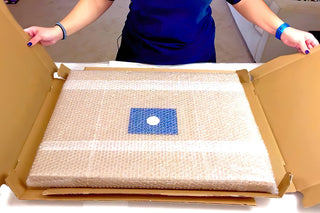
STEP 2 - SHIPPING
We ship your order. We send you an email to track the progress

STEP 3 - DELIVERY
You receive your order. You can also, according to your choice, be delivered to a relay point.
Matte finish
View from behind
Frame (optional)
In the vibrant world of 17th-century Dutch painting, the artwork "Un jeu de cartes" by Gabriel Metsu stands out for its ability to capture the very essence of human interactions. This canvas, which depicts a scene from everyday life, invites the viewer to immerse themselves in a suspended moment where play and conviviality blend in an intimate atmosphere. Metsu, with his keen eye and attention to detail, draws us into a universe where every gesture, every expression, tells a story. The artist manages to create a palpable connection between the characters while subtly revealing the nuances of bourgeois life in his era.
Style and uniqueness of the work
Gabriel Metsu's style is characterized by an exceptional mastery of light and color, which give his artworks unparalleled depth and vibrancy. In "Un jeu de cartes," the chosen palette evokes a warm atmosphere, where earthy tones and flashes of light intertwine to bring the scene to life. The art print of cards, a symbol of entertainment and sociability, becomes a pretext for exploring human relationships. The characters, carefully dressed, are captured in a moment of complicity, their exchanged glances suggesting underlying narrative tension. Metsu excels in depicting textures, whether it be the drapery of clothing or the surfaces of objects, which enhances the realism of the scene. Every detail, meticulously crafted, contributes to the authenticity of the art print, inviting the viewer to reflect on the lives of these characters.
The artist and his influence
Gabriel Metsu, born in Amsterdam in 1629, is one of the masters of genre painting. His artistic journey, influenced by contemporaries such as Rembrandt and Vermeer, reflects an unceasing quest for beauty and truth. Metsu successfully established himself on the art scene by exploring a variety of themes, ranging from scenes of daily life to intimate portraits. His skill in capturing the nuances of human emotions has left an indelible mark on art history. By incorporating elements of everyday life into his art prints,