
Art print of a court scene - Julius Exner


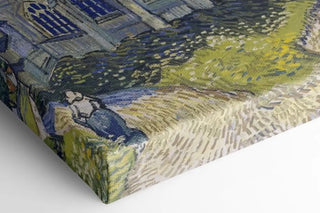
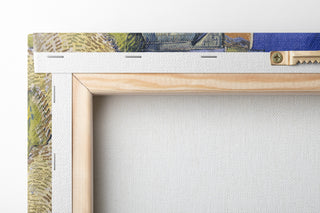
View from behind
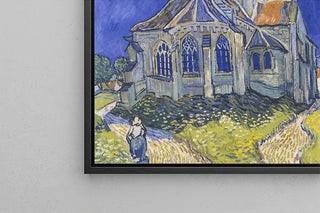
Frame (optional)
Introduction captivante
The artwork "A Court Scene" by Julius Exner immerses us in a universe where everyday life blends with poetry. This painting, a true window into another era, invites exploration of the subtleties of 19th-century social life while offering a reflection on the beauty of human interactions. The depicted scene, imbued with an intimate atmosphere, captures the eye and the mind, provoking an immersion into a suspended moment. By contemplating this piece, the viewer is transported to a place where every detail tells a story, where each character seems frozen in a silent dance of emotions.
Style and uniqueness of the artwork
Exner's style is distinguished by meticulous attention to detail and a delicate color palette that evokes natural light. "A Court Scene" is characterized by striking realism, where the faces of the characters, the drapery of clothing, and the textures of objects are rendered with almost photographic precision. The artist succeeds in creating a warm, almost tangible atmosphere, where light plays a fundamental role. Soft shadows and subtle reflections on surfaces add an almost tactile dimension to the composition. This painting does not merely depict a scene; it evokes an ambiance, an emotion, a story to tell. The way the characters interact and position themselves relative to each other highlights the complexity of social relationships, while revealing Exner's sensitivity to everyday life.
The artist and his influence
Julius Exner is an artist whose work is rooted in the realism movement, a current that seeks to represent life as it is, without embellishment or idealization. Born in 1847, he captured the essence of his era through his works. Exner was not only a talented painter but also a keen observer of the customs of his time. His influence extended far beyond his own work, inspiring many artists to explore daily life and make it the central subject of their creations. By highlighting ordinary scenes, he contributed to redefining what art could represent, paving the way for a new understanding of the
Art print of a court scene - Julius Exner

-10% FROM €95 IN PURCHASES
-15% FROM €195 IN PURCHASES
Regular price
- Unit price
- per
Tax included.
Free shipping
€4.90 / Free shipping on orders over €39
Satisfied or Money Back
Free returns within 30 days
10-year warranty
Our prints are guaranteed for 10 years
Any questions? We are here!
by email to contact@artemlegrand.com
THE STEPS OF YOUR ORDER

STEP 1 - ORDER PLACED
Your order has been confirmed and we are starting production
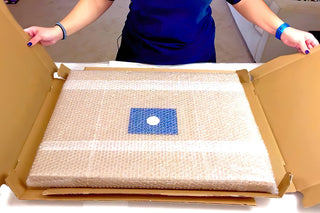
STEP 2 - SHIPPING
We ship your order. We send you an email to track the progress

STEP 3 - DELIVERY
You receive your order. You can also, according to your choice, be delivered to a relay point.
Matte finish
View from behind
Frame (optional)
Introduction captivante
The artwork "A Court Scene" by Julius Exner immerses us in a universe where everyday life blends with poetry. This painting, a true window into another era, invites exploration of the subtleties of 19th-century social life while offering a reflection on the beauty of human interactions. The depicted scene, imbued with an intimate atmosphere, captures the eye and the mind, provoking an immersion into a suspended moment. By contemplating this piece, the viewer is transported to a place where every detail tells a story, where each character seems frozen in a silent dance of emotions.
Style and uniqueness of the artwork
Exner's style is distinguished by meticulous attention to detail and a delicate color palette that evokes natural light. "A Court Scene" is characterized by striking realism, where the faces of the characters, the drapery of clothing, and the textures of objects are rendered with almost photographic precision. The artist succeeds in creating a warm, almost tangible atmosphere, where light plays a fundamental role. Soft shadows and subtle reflections on surfaces add an almost tactile dimension to the composition. This painting does not merely depict a scene; it evokes an ambiance, an emotion, a story to tell. The way the characters interact and position themselves relative to each other highlights the complexity of social relationships, while revealing Exner's sensitivity to everyday life.
The artist and his influence
Julius Exner is an artist whose work is rooted in the realism movement, a current that seeks to represent life as it is, without embellishment or idealization. Born in 1847, he captured the essence of his era through his works. Exner was not only a talented painter but also a keen observer of the customs of his time. His influence extended far beyond his own work, inspiring many artists to explore daily life and make it the central subject of their creations. By highlighting ordinary scenes, he contributed to redefining what art could represent, paving the way for a new understanding of the
12,34 €