
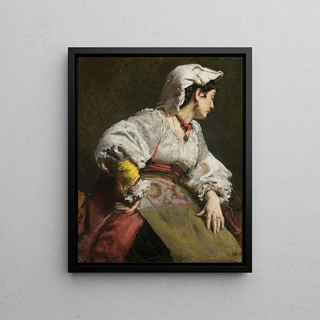
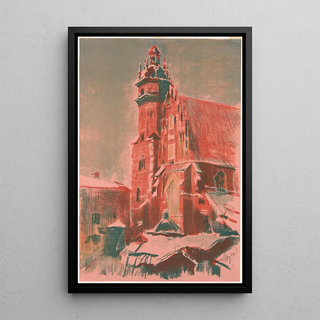
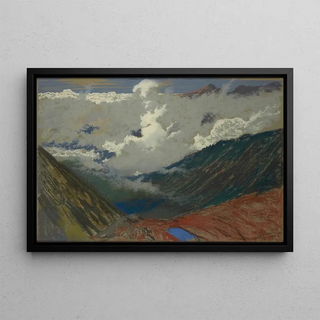
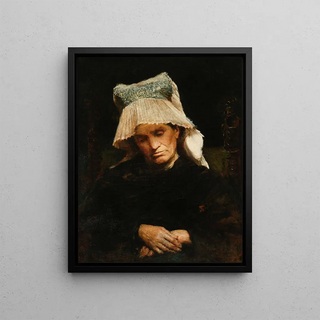
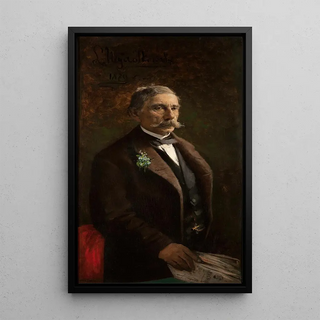
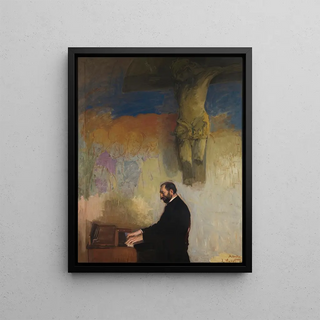
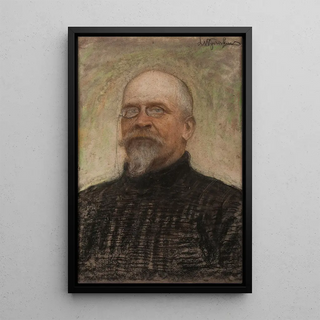
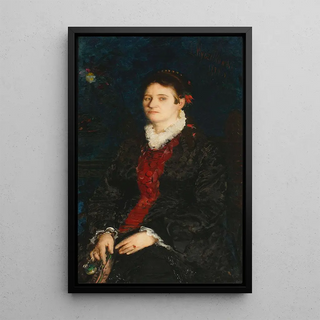
Buy art prints of Leon Wyczółkowski: Polish light and poetic realism
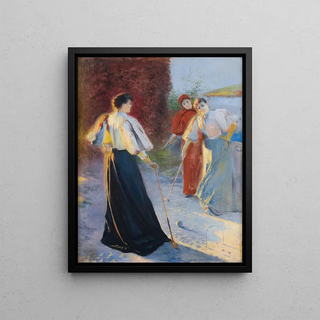
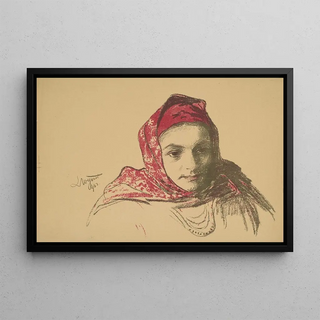
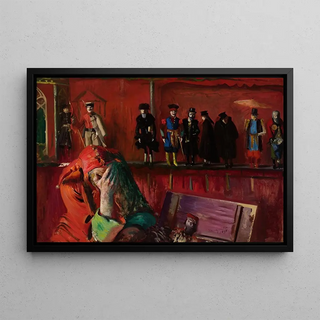
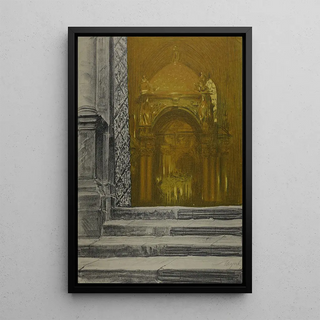
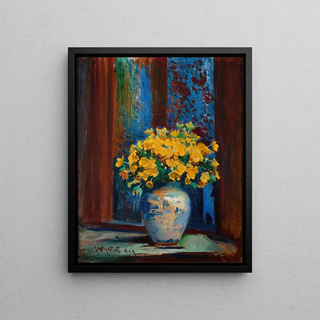
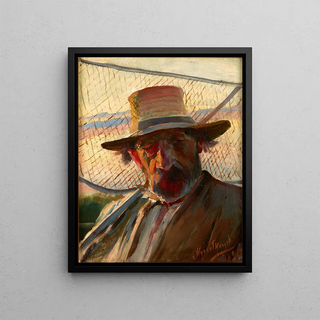
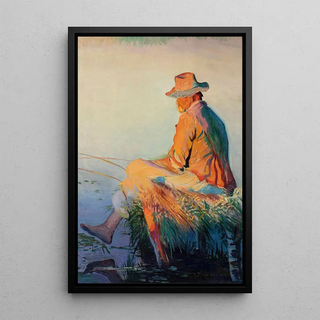
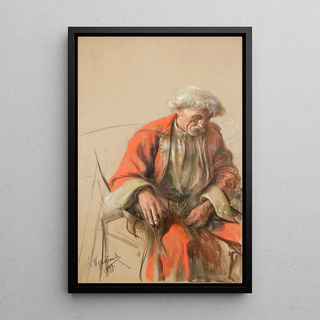
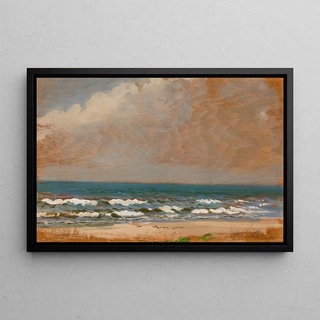
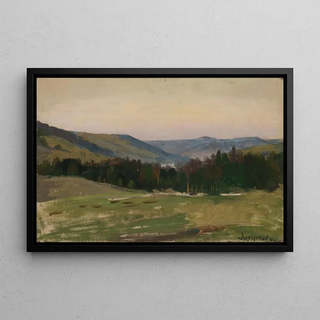
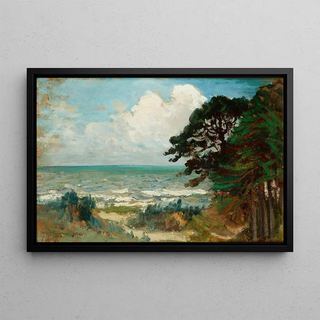
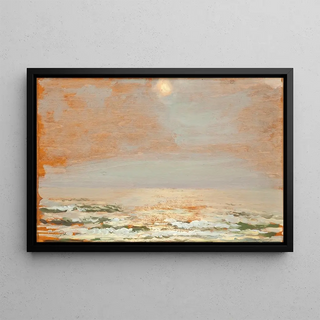
Explore the artistic richness of art prints by Leon Wyczółkowski, an undisputed master of light and poetic realism in Poland. His works, at the crossroads of modern realism, impressionism, and symbolism, delicately capture nature, rural landscapes, and the deep soul of the country. Bring vibrant and elegant decor to your interior with museum-quality prints that convey the full depth and texture of his canvases. Immerse yourself in the unique universe of this Polish painter whose talent marked the artistic transition between the 19th and 20th centuries.
Frequently asked questions about the career and legacy of Leon Wyczółkowski
Who was Leon Wyczółkowski?
Leon Wyczółkowski (1852–1936) is a major Polish painter, recognized for his modern realism tinged with impressionism and symbolism. He left a mark on Polish art with his unique treatment of light and his sensitive depiction of nature and rural scenes.
What artistic training did he receive?
He studied at the Academy of Fine Arts in Warsaw and then in Krakow under the guidance of the renowned Jan Matejko, which gave him a solid academic foundation before developing his personal style.
What are the recurring themes in his works?
His paintings depict the changing light of the Polish countryside, peasants at work, the Carpathian landscapes, as well as symbolist scenes imbued with spirituality and meditation.
Which artistic movements did he influence or join?
Wyczółkowski is one of the founders of the Young Poland movement (Młoda Polska), which sought to renew national culture by blending modernity and tradition.
Why are his works important in the history of Polish art?
Because they embody the poetic modernity of Central Europe, combining realism, impressionism, and symbolism, while expressing profound humanity and a strong connection to Polish nature and culture.
Where can his original works be admired?
His paintings are exhibited in several prestigious museums, including the National Museum of Krakow, the National Museum of Warsaw, and the Leon Wyczółkowski Museum in Bydgoszcz.
What is Wyczółkowski's characteristic color palette?
His palette consists of cool blues, vibrant greens, warm golds, earthy reds, and silvery grays, offering his works a rare chromatic richness and intensity.
Which artistic technique did he favor?
He used various techniques such as oil, watercolor, pastel, and etching, which demonstrates his great mastery and constant search for expressiveness.
Summary of Leon Wyczółkowski's career
Born in 1852 in Huta Miastkowska, Leon Wyczółkowski quickly left academic painting to develop a personal and vibrant pictorial language. His work is at the crossroads of the 19th and 20th centuries, blending realism, impressionism, and symbolism in a quest for light and emotion. Founder of the Young Poland movement, he profoundly influenced modern Polish art.
A solid education and a perspective turned towards nature
Trained in Warsaw and then in Krakow, he moved away from conventions to capture the changing light of the Polish countryside, peasants, and the Carpathian landscapes with a new sensitivity.
An expressive palette and a vibrant touch
His palette, rich in bright and contrasting colors, brings intensity and movement to his landscapes and portraits, where nature becomes a mirror of the soul.
A multifaceted work using multiple techniques
Wyczółkowski explored oil, watercolor, pastel, and etching, demonstrating his great versatility and desire for varied expression.
A key figure of the Young Poland movement
With other artists, he contributed to renewing Polish culture at the turn of the century, blending tradition and modernity in poetic realism.
A legacy marked by light and emotion
He remains a major figure for his ability to unite meticulous observation and spiritual depth, offering works that are always current and inspiring.
Why buy an art print of a painting by Leon Wyczółkowski?
Choosing an art print by Leon Wyczółkowski means immersing yourself in a universe where light, nature, and rural life are celebrated with poetry and realism. Our museum-quality prints faithfully reproduce the richness of colors, the fluidity of the brushstroke, and the warmth of his scenes, for a décor that is both refined and lively.
These artistic products integrate harmoniously into your décor:
In a living room, they evoke the vitality of nature and daylight, bringing energy and color.
In a bedroom, they spread softness and harmony, creating a soothing atmosphere.
In an office, they inspire concentration and creativity thanks to their balance between realism and poetry.
These art prints are much more than simple decorations: they are a vibrant tribute to the poetic soul of Central Europe.
An ambiance that elevates your décor
Wyczółkowski's art prints infuse warmth and refinement into any space, where light and color dialogue to create a unique atmosphere, between modernity and tradition.
A timeless art for your decoration
These works transcend time while preserving their emotional strength and aesthetic, making each art print a decorative element as precious as it is durable.
Installing a painting by Leon Wyczółkowski is:
Invite natural light and poetry into your interior.
Bring a touch of European history and culture to your décor.
Create a connection with nature and rural life through a refined aesthetic.
Enjoy an art that combines realism and emotion, observation and rêverie.
Do you offer museum-quality prints?
Our art prints benefit from high-definition printing on canvas or art paper, ensuring texture fidelity, rich nuances, and vibrant colors. Each piece thus captures the vibration and tranquil strength of the Polish world that Wyczółkowski so masterfully conveyed.
FAQ about our Leon Wyczółkowski collection
When was Leon Wyczółkowski born?
He was born in 1852 in Huta Miastkowska, Poland.
What is his artistic style?
His style blends poetic realism, impressionism, and symbolism.
Why is he famous?
For his luminous landscapes, sensitive peasant scenes, and refined portraits.
What are his favorite themes?
Nature, rural work, daylight, and spirituality are at the heart of his works.
What is his color palette?
It features vivid and contrasting tones: blue, green, gold, ochre, earthy red, and silver.
Where can his works be admired?
In the national museums of Krakow, Warsaw, and at the Leon Wyczółkowski Museum in Bydgoszcz.
What printing supports do you offer?
Museum-quality canvas and art paper prints, faithful to the originals.
How to incorporate these art prints into my decor?
They also suit modern, natural, or classic interiors, bringing light, energy, and poetry.
Our top 8 most famous art prints by Leon Wyczółkowski
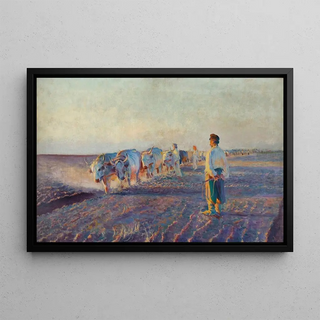
1. Ploughmen in the plain (1892)
A painting illustrating the strength of the peasant gesture and the vibrant light of the countryside.
2. Carpathian landscape (1904)
Offering atmospheric depth marked by rich and contrasting colors.
3. The artist's garden in Gościeradz (1908)
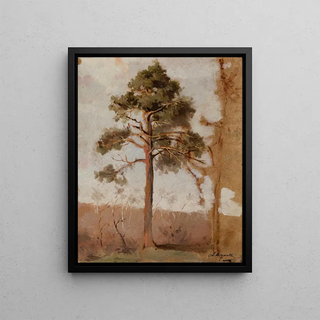
An intimate and meditative work celebrating nature in its simplicity.
4. Portrait of Feliks Jasieński (1903)
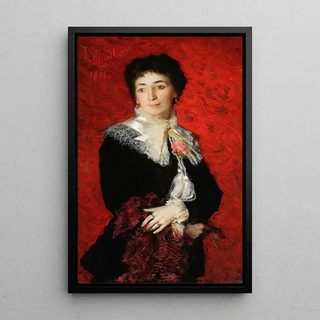
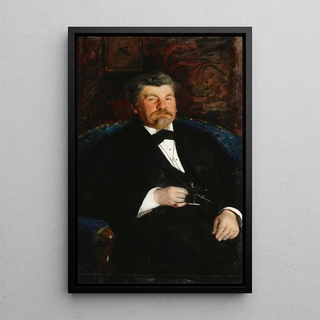
A powerful portrait blending psychological strength and artistic refinement.
5. Fishermen on the Vistula (1895)
A realism imbued with silvery light and subtle emotion.
6. Peasants at work
Rural scenes that testify to the dignity and daily life of peasants.
7. Symbolist scenes
Compositions where nature becomes a place of spiritual meditation.
8. Pastel studies
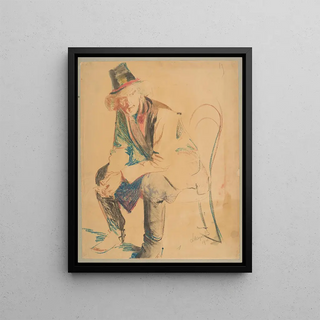
Works exploring texture and color with great finesse.
Conclusion: the luminous poetry of Polish realism for your decoration
The art print of Leon Wyczółkowski is an invitation to discover the vibrant and spiritual beauty of Polish art at the end of the 19th century. They bring a touch of elegance, warmth, and authenticity to your interior, blending tradition and modernity.
Thanks to our museum-quality art prints, each work regains its original strength, sublimating light, nature, and the poetic soul of Eastern Europe. Treat yourself to a refined decoration that tells a story and enriches your living space with deep and timeless emotion.
With Leon Wyczółkowski, bring into your home engaged, sensitive, and luminous art, a reflection of a rich and inspiring cultural heritage.