
Painting Livre des plantes toxiques Pl61 - Friedrich Berge | Art print


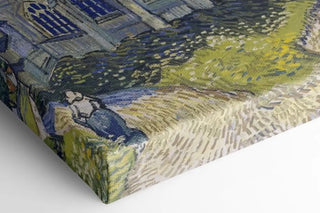
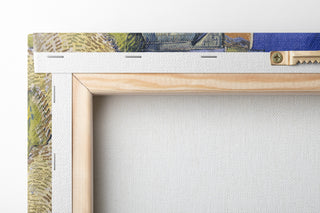
View from behind
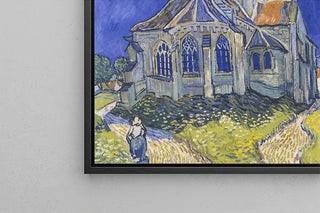
Frame (optional)
In the rich and fascinating universe of botanical art, the "Book of Toxic Plants Art print Pl61" by Friedrich Berge stands out for its depth and complexity. This piece, which is part of a centuries-old tradition of scientific illustration, invites us to explore the mysteries of nature while highlighting the hidden dangers contained within certain plant species. The beauty of this work lies not only in its meticulous representation of plants but also in the narrative it weaves around the relationship between humans and nature. By immersing ourselves in this volume, we discover a world where science and art intersect, where every detail matters, and where each plant tells a story.
Style and uniqueness of the work
Friedrich Berge's style in "Book of Toxic Plants Art print Pl61" is both precise and poetic. The illustrations, created with remarkable attention to detail, capture the very essence of the plants, revealing their shapes, colors, and textures with impressive fidelity. Berge uses a palette of delicate shades that evoke the fragility of plant life while emphasizing the inherent toxicity of some species. Each plant is presented within a frame that appears both natural and scholarly, inviting the viewer to attentive contemplation. This marriage of aesthetics and erudition gives the work a unique dimension, where visual beauty serves as a vehicle for a deeper understanding of the dangers these species harbor.
The artist and his influence
Friedrich Berge, an emblematic figure of 19th-century botanical illustration, managed to leave his mark on his era through his innovative approach and commitment to a faithful representation of the natural world. His passion for botany and keen observational skills allowed him to create works that transcend mere scientific records. Berge was influenced by the great masters of his time, but he also developed a style that is uniquely his own, combining scientific rigor with artistic sensitivity. His work paved the way for many artists and scientists, establishing a bridge between art and science that continues to inspire current generations. Berge's impact is still felt today, as many contemporary artists strive
Painting Livre des plantes toxiques Pl61 - Friedrich Berge | Art print

-10% FROM €95 IN PURCHASES
-15% FROM €195 IN PURCHASES
Regular price
- Unit price
- by
Free shipping
€4.90 / Free shipping on orders over €39
Satisfied or Money Back
Free returns within 30 days
10-year warranty
Our prints are guaranteed for 10 years
Any questions? We are here!
by email to contact@artemlegrand.com
THE STEPS OF YOUR ORDER

STEP 1 - ORDER PLACED
Your order has been confirmed and we are starting production
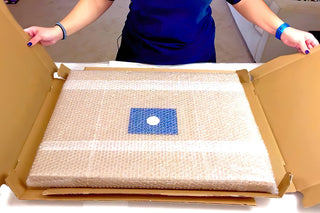
STEP 2 - SHIPPING
We ship your order. We send you an email to track the progress

STEP 3 - DELIVERY
You receive your order. You can also, according to your choice, be delivered to a relay point.
Matte finish
View from behind
Frame (optional)
In the rich and fascinating universe of botanical art, the "Book of Toxic Plants Art print Pl61" by Friedrich Berge stands out for its depth and complexity. This piece, which is part of a centuries-old tradition of scientific illustration, invites us to explore the mysteries of nature while highlighting the hidden dangers contained within certain plant species. The beauty of this work lies not only in its meticulous representation of plants but also in the narrative it weaves around the relationship between humans and nature. By immersing ourselves in this volume, we discover a world where science and art intersect, where every detail matters, and where each plant tells a story.
Style and uniqueness of the work
Friedrich Berge's style in "Book of Toxic Plants Art print Pl61" is both precise and poetic. The illustrations, created with remarkable attention to detail, capture the very essence of the plants, revealing their shapes, colors, and textures with impressive fidelity. Berge uses a palette of delicate shades that evoke the fragility of plant life while emphasizing the inherent toxicity of some species. Each plant is presented within a frame that appears both natural and scholarly, inviting the viewer to attentive contemplation. This marriage of aesthetics and erudition gives the work a unique dimension, where visual beauty serves as a vehicle for a deeper understanding of the dangers these species harbor.
The artist and his influence
Friedrich Berge, an emblematic figure of 19th-century botanical illustration, managed to leave his mark on his era through his innovative approach and commitment to a faithful representation of the natural world. His passion for botany and keen observational skills allowed him to create works that transcend mere scientific records. Berge was influenced by the great masters of his time, but he also developed a style that is uniquely his own, combining scientific rigor with artistic sensitivity. His work paved the way for many artists and scientists, establishing a bridge between art and science that continues to inspire current generations. Berge's impact is still felt today, as many contemporary artists strive