
Painting Book on Toxic Plants Pl58 - Friedrich Berge | Art print


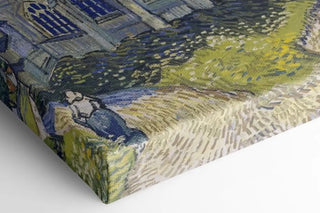
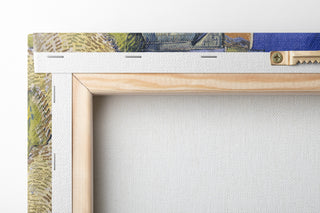
View from behind
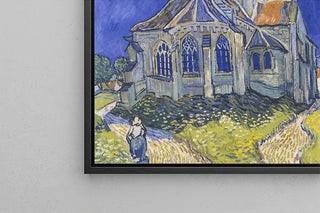
Frame (optional)
In the vibrant universe of botanical art, Friedrich Berge's "Book on Toxic Plants Pl58" stands out for its blend of scientific rigor and aesthetic appeal. This piece, rooted in the tradition of botanical illustrations, offers a captivating immersion into the mysterious world of poisonous plants. Berge, through his talent, manages to capture not only the formal beauty of these flora but also their dangerous essence, creating a dialogue between nature and human observation. The meticulous details and precise use of color invite viewers to a deep contemplation, sparking an insatiable curiosity about the plant kingdom.
Style and uniqueness of the work
Friedrich Berge's style is characterized by a scientific precision combined with rare artistic sensitivity. Each plant is depicted with a meticulousness that reflects a profound respect for nature. The vibrant hues and delicate textures of leaves and flowers intertwine to create a harmonious composition. Berge does not merely depict plants; he tells a story—about their existence, their toxicity, and their beauty. The interplay of light and shadow in his illustrations creates an atmosphere that is both enchanting and unsettling, encouraging reflection on the duality of nature. In doing so, he successfully bridges art and science, making his work accessible to both botanical enthusiasts and art lovers.
The artist and his influence
Friedrich Berge, artist and botanist, has left an indelible mark in the field of botanical illustration. His work, often associated with explorations of toxic flora, reflects an era when the study of plants was both a scientific quest and a personal adventure. Berge belongs to a lineage of naturalist artists who have mastered the balance between rigorous observation and creativity. His influence is felt not only in the art world but also in botany and ethnobotany. Contemporary artists draw inspiration from his approach, seeking to capture the essence of nature while addressing themes related to conservation and
Painting Book on Toxic Plants Pl58 - Friedrich Berge | Art print

-10% FROM €95 IN PURCHASES
-15% FROM €195 IN PURCHASES
Regular price
- Unit price
- by
Free shipping
€4.90 / Free shipping on orders over €39
Satisfied or Money Back
Free returns within 30 days
10-year warranty
Our prints are guaranteed for 10 years
Any questions? We are here!
by email to contact@artemlegrand.com
THE STEPS OF YOUR ORDER

STEP 1 - ORDER PLACED
Your order has been confirmed and we are starting production
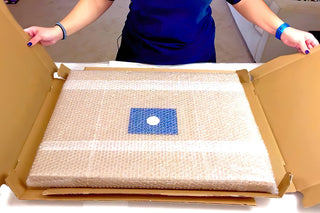
STEP 2 - SHIPPING
We ship your order. We send you an email to track the progress

STEP 3 - DELIVERY
You receive your order. You can also, according to your choice, be delivered to a relay point.
Matte finish
View from behind
Frame (optional)
In the vibrant universe of botanical art, Friedrich Berge's "Book on Toxic Plants Pl58" stands out for its blend of scientific rigor and aesthetic appeal. This piece, rooted in the tradition of botanical illustrations, offers a captivating immersion into the mysterious world of poisonous plants. Berge, through his talent, manages to capture not only the formal beauty of these flora but also their dangerous essence, creating a dialogue between nature and human observation. The meticulous details and precise use of color invite viewers to a deep contemplation, sparking an insatiable curiosity about the plant kingdom.
Style and uniqueness of the work
Friedrich Berge's style is characterized by a scientific precision combined with rare artistic sensitivity. Each plant is depicted with a meticulousness that reflects a profound respect for nature. The vibrant hues and delicate textures of leaves and flowers intertwine to create a harmonious composition. Berge does not merely depict plants; he tells a story—about their existence, their toxicity, and their beauty. The interplay of light and shadow in his illustrations creates an atmosphere that is both enchanting and unsettling, encouraging reflection on the duality of nature. In doing so, he successfully bridges art and science, making his work accessible to both botanical enthusiasts and art lovers.
The artist and his influence
Friedrich Berge, artist and botanist, has left an indelible mark in the field of botanical illustration. His work, often associated with explorations of toxic flora, reflects an era when the study of plants was both a scientific quest and a personal adventure. Berge belongs to a lineage of naturalist artists who have mastered the balance between rigorous observation and creativity. His influence is felt not only in the art world but also in botany and ethnobotany. Contemporary artists draw inspiration from his approach, seeking to capture the essence of nature while addressing themes related to conservation and