
Art print La Femme au tambourin - Émile Vernet-Lecomte | Art print


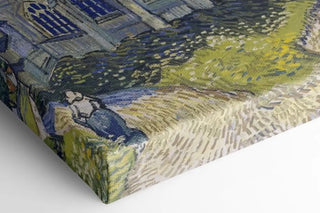
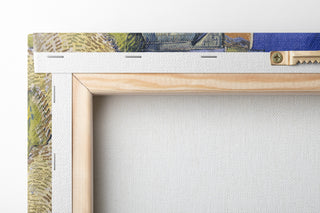
View from behind
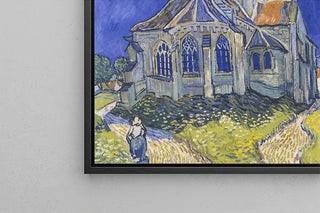
Frame (optional)
La Femme au tambourin, an iconic art print by Émile Vernet-Lecomte, embodies the quintessence of 19th-century French painting. This painting, which exudes an atmosphere that is both intimate and vibrant, transports us to a universe where beauty and music intersect. The scene depicts a young woman, elegantly dressed, holding a tambourine with grace. Her gaze, both thoughtful and captivating, seems to invite the viewer to share a suspended moment in time. Through this art print, the artist succeeds in capturing not only the essence of her model but also the spirit of an era where music and art harmoniously intertwined.
Style and uniqueness of the work
Émile Vernet-Lecomte's work is distinguished by its refined style and delicate color palette. La Femme au tambourin is a perfect example of his approach, where harmony of tones and finesse of details create an atmosphere of lightness and delicacy. The play of light, subtly orchestrated, highlights the features of the young woman's face and the texture of her dress, evoking a sense of softness. The tambourine, the central object of the composition, is not just a musical instrument but also a symbol of joy and celebration. Through this work, Vernet-Lecomte manages to evoke deep emotions while celebrating the beauty of femininity and musical art.
The artist and his influence
Émile Vernet-Lecomte, an artist with a rich and varied background, established himself in the artistic world of his time. Trained at the École des beaux-arts in Paris, he was influenced by the great masters of painting while developing a personal style that was uniquely his own. His work is characterized by meticulous attention to detail and sensitivity to the beauty of forms. Vernet-Lecomte was also a passionate advocate for themes related to daily life and popular culture, seeking to immortalize moments of life through his canvases. His ability to capture the very essence of his subjects made him an indispensable figure in French painting, whose influence continues to be appreciated today.
Art print La Femme au tambourin - Émile Vernet-Lecomte | Art print

-10% FROM €95 IN PURCHASES
-15% FROM €195 IN PURCHASES
Regular price
- Unit price
- by
Free shipping
€4.90 / Free shipping on orders over €39
Satisfied or Money Back
Free returns within 30 days
10-year warranty
Our prints are guaranteed for 10 years
Any questions? We are here!
by email to contact@artemlegrand.com
THE STEPS OF YOUR ORDER

STEP 1 - ORDER PLACED
Your order has been confirmed and we are starting production
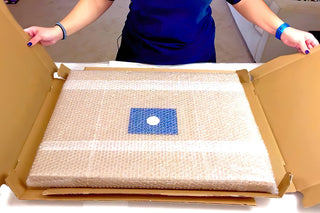
STEP 2 - SHIPPING
We ship your order. We send you an email to track the progress

STEP 3 - DELIVERY
You receive your order. You can also, according to your choice, be delivered to a relay point.
Matte finish
View from behind
Frame (optional)
La Femme au tambourin, an iconic art print by Émile Vernet-Lecomte, embodies the quintessence of 19th-century French painting. This painting, which exudes an atmosphere that is both intimate and vibrant, transports us to a universe where beauty and music intersect. The scene depicts a young woman, elegantly dressed, holding a tambourine with grace. Her gaze, both thoughtful and captivating, seems to invite the viewer to share a suspended moment in time. Through this art print, the artist succeeds in capturing not only the essence of her model but also the spirit of an era where music and art harmoniously intertwined.
Style and uniqueness of the work
Émile Vernet-Lecomte's work is distinguished by its refined style and delicate color palette. La Femme au tambourin is a perfect example of his approach, where harmony of tones and finesse of details create an atmosphere of lightness and delicacy. The play of light, subtly orchestrated, highlights the features of the young woman's face and the texture of her dress, evoking a sense of softness. The tambourine, the central object of the composition, is not just a musical instrument but also a symbol of joy and celebration. Through this work, Vernet-Lecomte manages to evoke deep emotions while celebrating the beauty of femininity and musical art.
The artist and his influence
Émile Vernet-Lecomte, an artist with a rich and varied background, established himself in the artistic world of his time. Trained at the École des beaux-arts in Paris, he was influenced by the great masters of painting while developing a personal style that was uniquely his own. His work is characterized by meticulous attention to detail and sensitivity to the beauty of forms. Vernet-Lecomte was also a passionate advocate for themes related to daily life and popular culture, seeking to immortalize moments of life through his canvases. His ability to capture the very essence of his subjects made him an indispensable figure in French painting, whose influence continues to be appreciated today.