
Art print The widow's penny - Édouard-Louis Dubufe | Art print


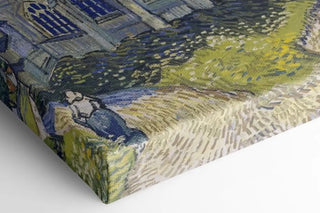
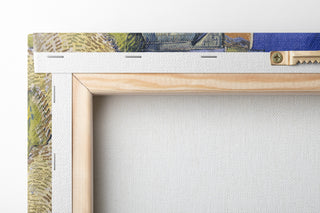
View from behind
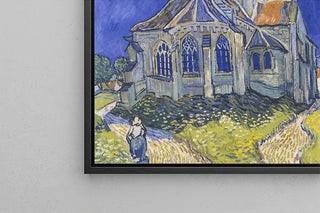
Frame (optional)
In the vast panorama of art history, certain works stand out for their ability to evoke deep emotions and tell poignant stories. "The Widow's Penny" by Édouard-Louis Dubufe is one of those masterpieces that capture the essence of the human condition through the lens of generosity and compassion. Created in the 19th century, this piece embodies the moral values of its time while fitting into a vibrant artistic movement. Through the depiction of a widow offering her last penny to a poor man, Dubufe invites us to reflect on the nature of altruism and human dignity, making this artwork a true mirror of society.
Style and uniqueness of the work
The strength of "The Widow's Penny" lies in its naturalist style, characteristic of Dubufe's art. The artist manages to capture light and textures with remarkable precision, creating an atmosphere filled with emotion. The faces of the characters, imbued with sincerity and pain, are rendered with such finesse that they seem almost alive. The composition, with the widow in the foreground and the poor man in the background, emphasizes the contrast between inner richness of generosity and material poverty. Warm colors and delicate nuances reinforce this duality, echoing the struggle between light and shadow, symbolizing life's challenges. This aesthetic approach, combined with a poignant narration, allows the artwork to transcend its era and touch the hearts of viewers, regardless of their background.
The artist and his influence
Édouard-Louis Dubufe, born in 1819, is an emblematic figure of the French academic movement. Trained under renowned masters, he develops a style that combines tradition and innovation. His works, often marked by profound humanism, testify to a sensitivity to human suffering and the beauty of everyday life. Dubufe does not merely reproduce reality; he interprets it, infusing it with an emotional dimension that resonates with his audience. His ability to evoke universal feelings
Art print The widow's penny - Édouard-Louis Dubufe | Art print

-10% FROM €95 IN PURCHASES
-15% FROM €195 IN PURCHASES
Regular price
- Unit price
- by
Free shipping
€4.90 / Free shipping on orders over €39
Satisfied or Money Back
Free returns within 30 days
10-year warranty
Our prints are guaranteed for 10 years
Any questions? We are here!
by email to contact@artemlegrand.com
THE STEPS OF YOUR ORDER

STEP 1 - ORDER PLACED
Your order has been confirmed and we are starting production
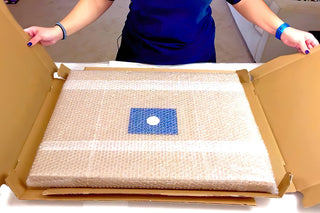
STEP 2 - SHIPPING
We ship your order. We send you an email to track the progress

STEP 3 - DELIVERY
You receive your order. You can also, according to your choice, be delivered to a relay point.
Matte finish
View from behind
Frame (optional)
In the vast panorama of art history, certain works stand out for their ability to evoke deep emotions and tell poignant stories. "The Widow's Penny" by Édouard-Louis Dubufe is one of those masterpieces that capture the essence of the human condition through the lens of generosity and compassion. Created in the 19th century, this piece embodies the moral values of its time while fitting into a vibrant artistic movement. Through the depiction of a widow offering her last penny to a poor man, Dubufe invites us to reflect on the nature of altruism and human dignity, making this artwork a true mirror of society.
Style and uniqueness of the work
The strength of "The Widow's Penny" lies in its naturalist style, characteristic of Dubufe's art. The artist manages to capture light and textures with remarkable precision, creating an atmosphere filled with emotion. The faces of the characters, imbued with sincerity and pain, are rendered with such finesse that they seem almost alive. The composition, with the widow in the foreground and the poor man in the background, emphasizes the contrast between inner richness of generosity and material poverty. Warm colors and delicate nuances reinforce this duality, echoing the struggle between light and shadow, symbolizing life's challenges. This aesthetic approach, combined with a poignant narration, allows the artwork to transcend its era and touch the hearts of viewers, regardless of their background.
The artist and his influence
Édouard-Louis Dubufe, born in 1819, is an emblematic figure of the French academic movement. Trained under renowned masters, he develops a style that combines tradition and innovation. His works, often marked by profound humanism, testify to a sensitivity to human suffering and the beauty of everyday life. Dubufe does not merely reproduce reality; he interprets it, infusing it with an emotional dimension that resonates with his audience. His ability to evoke universal feelings