
Art print Portrait of the painter Gerhard Munthe - Christian Krohg | Art print


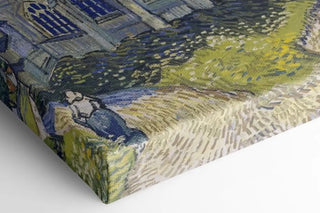
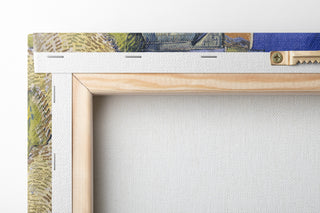
View from behind
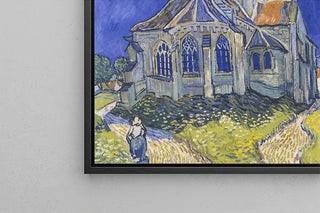
Frame (optional)
Portrait of the painter Gerhard Munthe - Christian Krohg – Captivating Introduction
In the fascinating world of art, some works stand out for their ability to capture the very essence of their subject. The "Portrait of the painter Gerhard Munthe" by Christian Krohg is one of those creations that transcend the simple frame of painting. Created at the end of the 19th century, this piece does more than depict an individual; it evokes a bygone era, an artistic vision, and a profound connection between the artist and his model. Through this portrait, Krohg invites us to delve into the intimacy of Munthe, a Norwegian painter whose work left a mark on his time. The light, colors, and expressions combine to offer a visual experience that goes far beyond mere representation.
Style and uniqueness of the work
Krohg's style in this portrait stands out for its approach that is both realistic and expressive. Every brushstroke seems charged with emotion, as if the artist sought to depict not only Munthe's appearance but also his soul. The color palette chosen by Krohg, oscillating between warm tones and darker shades, creates an atmosphere that is both intimate and tinged with melancholy. Details such as facial features and the texture of clothing are rendered with precision that testifies to the artist's exceptional talent. This portrait is not just a frozen image in time; it tells a story, that of a man passionate about his art, whose gaze seems to invite the viewer to share his reflections and aspirations.
The artist and his influence
Christian Krohg, an emblematic figure of Norwegian art, established himself as a master of portrait painting and social scenes of his era. Influenced by the realist movement, he captured daily life with a unique sensitivity. Krohg does not limit himself to depicting faces; he seeks to explore the psychology of his subjects. His work with Gerhard Munthe exemplifies this quest: it is a dialogue between two artists, each in his own way, aiming to express the beauty and complexity of human existence. Krohg's influence does not end
Art print Portrait of the painter Gerhard Munthe - Christian Krohg | Art print

-10% FROM €95 IN PURCHASES
-15% FROM €195 IN PURCHASES
Regular price
- Unit price
- by
Free shipping
€4.90 / Free shipping on orders over €39
Satisfied or Money Back
Free returns within 30 days
10-year warranty
Our prints are guaranteed for 10 years
Any questions? We are here!
by email to contact@artemlegrand.com
THE STEPS OF YOUR ORDER
STEP 1 - ORDER PLACED
Your order has been confirmed and we are starting production
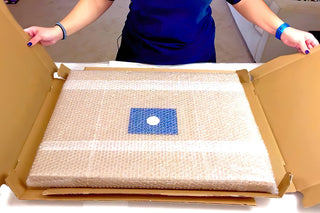
STEP 2 - SHIPPING
We ship your order. We send you an email to track the progress

STEP 3 - DELIVERY
You receive your order. You can also, according to your choice, be delivered to a relay point.
Matte finish
View from behind
Frame (optional)
Portrait of the painter Gerhard Munthe - Christian Krohg – Captivating Introduction
In the fascinating world of art, some works stand out for their ability to capture the very essence of their subject. The "Portrait of the painter Gerhard Munthe" by Christian Krohg is one of those creations that transcend the simple frame of painting. Created at the end of the 19th century, this piece does more than depict an individual; it evokes a bygone era, an artistic vision, and a profound connection between the artist and his model. Through this portrait, Krohg invites us to delve into the intimacy of Munthe, a Norwegian painter whose work left a mark on his time. The light, colors, and expressions combine to offer a visual experience that goes far beyond mere representation.
Style and uniqueness of the work
Krohg's style in this portrait stands out for its approach that is both realistic and expressive. Every brushstroke seems charged with emotion, as if the artist sought to depict not only Munthe's appearance but also his soul. The color palette chosen by Krohg, oscillating between warm tones and darker shades, creates an atmosphere that is both intimate and tinged with melancholy. Details such as facial features and the texture of clothing are rendered with precision that testifies to the artist's exceptional talent. This portrait is not just a frozen image in time; it tells a story, that of a man passionate about his art, whose gaze seems to invite the viewer to share his reflections and aspirations.
The artist and his influence
Christian Krohg, an emblematic figure of Norwegian art, established himself as a master of portrait painting and social scenes of his era. Influenced by the realist movement, he captured daily life with a unique sensitivity. Krohg does not limit himself to depicting faces; he seeks to explore the psychology of his subjects. His work with Gerhard Munthe exemplifies this quest: it is a dialogue between two artists, each in his own way, aiming to express the beauty and complexity of human existence. Krohg's influence does not end