
Portrait painting of the artist Étienne Jeaurat 1699-1789 - Étienne Aubry | Art print


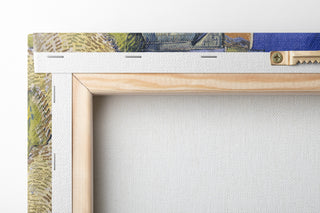
View from behind
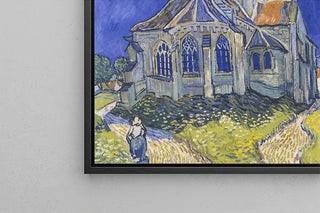
Frame (optional)
Portrait of the painter Étienne Jeaurat 1699-1789 - Étienne Aubry
The "Portrait of the painter Étienne Jeaurat 1699-1789" by Étienne Aubry is a work that transcends mere facial features to capture the very essence of the artist. This painting, created at the turn of the 18th century, offers an immersion into an era when painting was a reflection of society and individual aspirations. By contemplating this art print, the viewer is transported into the universe of Étienne Jeaurat, a painter whose career is intimately linked to the evolution of art in France. The finesse of details and the harmony of colors testify to exceptional craftsmanship, inviting reflection on the role of art in shaping identity.
Style and uniqueness of the work
The work stands out for its classical style, imbued with a delicacy that characterizes portraits of the period. Aubry, a master of chiaroscuro, manages to play with light to emphasize Jeaurat's features, revealing his personality through his piercing gaze. The composition is carefully crafted, with each element placed with precise intent. The artist's clothing, richly detailed, evokes not only his social status but also a timeless elegance. The color palette, subtly chosen, creates an atmosphere that is both intimate and solemn, reinforcing the idea that art is a mirror of the soul. This work does not merely depict a man; it tells a story, that of a creator passionate about his art.
The artist and his influence
Étienne Jeaurat, whose portrait is immortalized by Aubry, is an emblematic figure of the 18th century, a painter whose influence is felt beyond his era. His contribution to French art is undeniable, and his commitment to genre painting paved the way for many artists. Jeaurat knew how to incorporate elements of daily life into his works, making art accessible and relevant to a broad audience. As a member of the Royal Academy of Painting and Sculpture, he also played a key role in the evolution of artistic standards, encouraging a more personal and narrative approach in portraiture.
Portrait painting of the artist Étienne Jeaurat 1699-1789 - Étienne Aubry | Art print

-10% FROM €95 IN PURCHASES
-15% FROM €195 IN PURCHASES
Regular price
- Unit price
- by
Free shipping
€4.90 / Free shipping on orders over €39
Satisfied or Money Back
Free returns within 30 days
10-year warranty
Our prints are guaranteed for 10 years
Any questions? We are here!
by email to contact@artemlegrand.com
THE STEPS OF YOUR ORDER
STEP 1 - ORDER PLACED
Your order has been confirmed and we are starting production
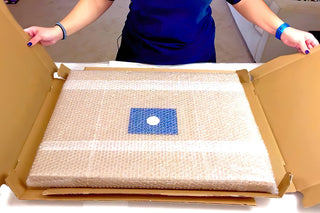
STEP 2 - SHIPPING
We ship your order. We send you an email to track the progress

STEP 3 - DELIVERY
You receive your order. You can also, according to your choice, be delivered to a relay point.
Matte finish
View from behind
Frame (optional)
Portrait of the painter Étienne Jeaurat 1699-1789 - Étienne Aubry
The "Portrait of the painter Étienne Jeaurat 1699-1789" by Étienne Aubry is a work that transcends mere facial features to capture the very essence of the artist. This painting, created at the turn of the 18th century, offers an immersion into an era when painting was a reflection of society and individual aspirations. By contemplating this art print, the viewer is transported into the universe of Étienne Jeaurat, a painter whose career is intimately linked to the evolution of art in France. The finesse of details and the harmony of colors testify to exceptional craftsmanship, inviting reflection on the role of art in shaping identity.
Style and uniqueness of the work
The work stands out for its classical style, imbued with a delicacy that characterizes portraits of the period. Aubry, a master of chiaroscuro, manages to play with light to emphasize Jeaurat's features, revealing his personality through his piercing gaze. The composition is carefully crafted, with each element placed with precise intent. The artist's clothing, richly detailed, evokes not only his social status but also a timeless elegance. The color palette, subtly chosen, creates an atmosphere that is both intimate and solemn, reinforcing the idea that art is a mirror of the soul. This work does not merely depict a man; it tells a story, that of a creator passionate about his art.
The artist and his influence
Étienne Jeaurat, whose portrait is immortalized by Aubry, is an emblematic figure of the 18th century, a painter whose influence is felt beyond his era. His contribution to French art is undeniable, and his commitment to genre painting paved the way for many artists. Jeaurat knew how to incorporate elements of daily life into his works, making art accessible and relevant to a broad audience. As a member of the Royal Academy of Painting and Sculpture, he also played a key role in the evolution of artistic standards, encouraging a more personal and narrative approach in portraiture.