
Portrait painting of Mrs. C., the artist's sister - Étienne Dinet | Art print


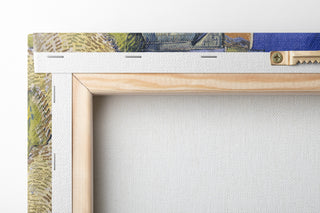
View from behind
Frame (optional)
Art print Portrait of Mrs. C., the artist's sister - Étienne Dinet – Captivating introduction
In the fascinating world of art, some works transcend the simple frame to become living stories. The "Portrait of Mrs. C., the artist's sister - Étienne Dinet" is one of those creations that capture not only the image of an individual but also the essence of an era and a deep family bond. This piece, created by Étienne Dinet, a French painter from the early 20th century, demonstrates an artistic sensitivity that blends intimacy and virtuosity. By exploring this art print, viewers are invited to discover not only Mrs. C.'s face but also the emotions and stories hidden behind each brushstroke.
Style and uniqueness of the work
The "Portrait of Mrs. C." stands out for its delicate palette and subtle treatment of lights and shadows. Dinet, influenced by the Orientalist movement, manages to create an atmosphere of intimacy and warmth, where every detail is carefully considered. The features of the artist's sister are rendered with such precision that they seem to breathe, while the background, often blurred, emphasizes the importance of her face. The composition, both classic and innovative, reveals a technical mastery that echoes the legacy of great masters of painting. The way Dinet captures the nuances of the skin and the reflections in her eyes brings the work to life, allowing viewers to feel a deep emotional connection.
The artist and his influence
Étienne Dinet, born in 1861, is an artist whose journey is intimately linked to his travels and cultural discoveries. After exploring Algeria, he immerses himself in the light and colors of the desert, which profoundly influences his style. His unique approach to painting, blending realism and impressionist elements, makes him a significant figure of his time. Dinet does not merely reproduce reality; he seeks to capture the soul of his subjects, to immortalize moments of life and complex emotions. The "Portrait of Mrs. C." is a perfect illustration of this, bearing witness to the affection he has for his sister while reflecting
Portrait painting of Mrs. C., the artist's sister - Étienne Dinet | Art print

-10% FROM €95 IN PURCHASES
-15% FROM €195 IN PURCHASES
Regular price
- Unit price
- by
Free shipping
€4.90 / Free shipping on orders over €39
Satisfied or Money Back
Free returns within 30 days
10-year warranty
Our prints are guaranteed for 10 years
Any questions? We are here!
by email to contact@artemlegrand.com
THE STEPS OF YOUR ORDER
STEP 1 - ORDER PLACED
Your order has been confirmed and we are starting production
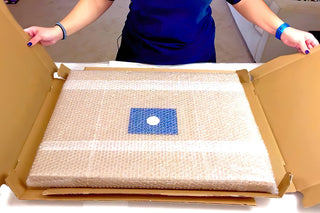
STEP 2 - SHIPPING
We ship your order. We send you an email to track the progress

STEP 3 - DELIVERY
You receive your order. You can also, according to your choice, be delivered to a relay point.
Matte finish
View from behind
Frame (optional)
Art print Portrait of Mrs. C., the artist's sister - Étienne Dinet – Captivating introduction
In the fascinating world of art, some works transcend the simple frame to become living stories. The "Portrait of Mrs. C., the artist's sister - Étienne Dinet" is one of those creations that capture not only the image of an individual but also the essence of an era and a deep family bond. This piece, created by Étienne Dinet, a French painter from the early 20th century, demonstrates an artistic sensitivity that blends intimacy and virtuosity. By exploring this art print, viewers are invited to discover not only Mrs. C.'s face but also the emotions and stories hidden behind each brushstroke.
Style and uniqueness of the work
The "Portrait of Mrs. C." stands out for its delicate palette and subtle treatment of lights and shadows. Dinet, influenced by the Orientalist movement, manages to create an atmosphere of intimacy and warmth, where every detail is carefully considered. The features of the artist's sister are rendered with such precision that they seem to breathe, while the background, often blurred, emphasizes the importance of her face. The composition, both classic and innovative, reveals a technical mastery that echoes the legacy of great masters of painting. The way Dinet captures the nuances of the skin and the reflections in her eyes brings the work to life, allowing viewers to feel a deep emotional connection.
The artist and his influence
Étienne Dinet, born in 1861, is an artist whose journey is intimately linked to his travels and cultural discoveries. After exploring Algeria, he immerses himself in the light and colors of the desert, which profoundly influences his style. His unique approach to painting, blending realism and impressionist elements, makes him a significant figure of his time. Dinet does not merely reproduce reality; he seeks to capture the soul of his subjects, to immortalize moments of life and complex emotions. The "Portrait of Mrs. C." is a perfect illustration of this, bearing witness to the affection he has for his sister while reflecting