
Portrait of Frederica of Mecklenburg-Strelitz, Duchess of Cumberland and Queen of Hanover - Friedrich Carl Gröger | Art print


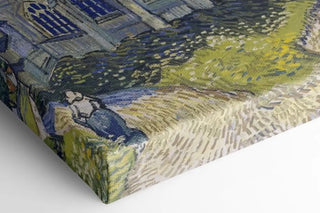
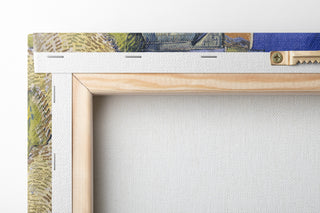
View from behind
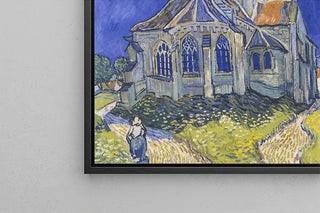
Frame (optional)
Portrait of Frederica von Mecklenburg-Strelitz, Duchess of Cumberland and Queen of Hanover - Friedrich Carl Gröger – Captivating Introduction
In the fascinating world of art history, some works stand out for their ability to capture not only the appearance but also the essence of the characters they depict. The "Portrait of Frederica von Mecklenburg-Strelitz, Duchess of Cumberland and Queen of Hanover" created by Friedrich Carl Gröger is an iconic piece that reflects the elegance and dignity of its subject. This artwork, which unfolds with timeless grace, transports us to the 18th century, an era when portraiture was a social and political communication tool as powerful as it was aesthetic. Through this portrait, Gröger does not merely depict a royal figure; he evokes a period, a culture, and a sensibility that still resonate today.
Style and uniqueness of the work
Gröger's style is characterized by meticulous attention to detail and a refined color palette. In this portrait, the duchess is depicted with a delicacy that highlights her aristocratic features, while emphasizing her sumptuous attire. The choice of fabrics, drapes, and ornaments is particularly meaningful, reflecting not only Frederica's status but also the art of living of a European court. The carefully orchestrated lighting plays a crucial role in the composition, illuminating the duchess's face while creating an intimate atmosphere. Frederica's majestic posture, combined with a contemplative gaze, invites the viewer to ponder her thoughts and emotions, making this work a true mirror of the soul.
The artist and his influence
Friedrich Carl Gröger, a German-born artist, established himself in the field of portraiture during his career. Raised in an artistic environment, he was influenced by the great masters of European painting. His work is distinguished by an ability to blend realism and romanticism, allowing him to transcend mere representation to achieve emotional depth. Gröger had the opportunity to work with influential personalities of his time, and his portraits are often regarded as testimonies not only of the physical beauty of his subjects, but
Portrait of Frederica of Mecklenburg-Strelitz, Duchess of Cumberland and Queen of Hanover - Friedrich Carl Gröger | Art print

-10% FROM €95 IN PURCHASES
-15% FROM €195 IN PURCHASES
Regular price
- Unit price
- by
Free shipping
€4.90 / Free shipping on orders over €39
Satisfied or Money Back
Free returns within 30 days
10-year warranty
Our prints are guaranteed for 10 years
Any questions? We are here!
by email to contact@artemlegrand.com
THE STEPS OF YOUR ORDER

STEP 1 - ORDER PLACED
Your order has been confirmed and we are starting production
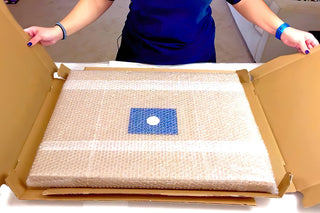
STEP 2 - SHIPPING
We ship your order. We send you an email to track the progress

STEP 3 - DELIVERY
You receive your order. You can also, according to your choice, be delivered to a relay point.
Matte finish
View from behind
Frame (optional)
Portrait of Frederica von Mecklenburg-Strelitz, Duchess of Cumberland and Queen of Hanover - Friedrich Carl Gröger – Captivating Introduction
In the fascinating world of art history, some works stand out for their ability to capture not only the appearance but also the essence of the characters they depict. The "Portrait of Frederica von Mecklenburg-Strelitz, Duchess of Cumberland and Queen of Hanover" created by Friedrich Carl Gröger is an iconic piece that reflects the elegance and dignity of its subject. This artwork, which unfolds with timeless grace, transports us to the 18th century, an era when portraiture was a social and political communication tool as powerful as it was aesthetic. Through this portrait, Gröger does not merely depict a royal figure; he evokes a period, a culture, and a sensibility that still resonate today.
Style and uniqueness of the work
Gröger's style is characterized by meticulous attention to detail and a refined color palette. In this portrait, the duchess is depicted with a delicacy that highlights her aristocratic features, while emphasizing her sumptuous attire. The choice of fabrics, drapes, and ornaments is particularly meaningful, reflecting not only Frederica's status but also the art of living of a European court. The carefully orchestrated lighting plays a crucial role in the composition, illuminating the duchess's face while creating an intimate atmosphere. Frederica's majestic posture, combined with a contemplative gaze, invites the viewer to ponder her thoughts and emotions, making this work a true mirror of the soul.
The artist and his influence
Friedrich Carl Gröger, a German-born artist, established himself in the field of portraiture during his career. Raised in an artistic environment, he was influenced by the great masters of European painting. His work is distinguished by an ability to blend realism and romanticism, allowing him to transcend mere representation to achieve emotional depth. Gröger had the opportunity to work with influential personalities of his time, and his portraits are often regarded as testimonies not only of the physical beauty of his subjects, but