
Portrait of an Old Man - Ludovit Pitthordt | Art print


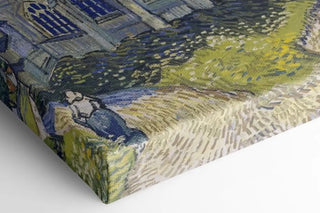
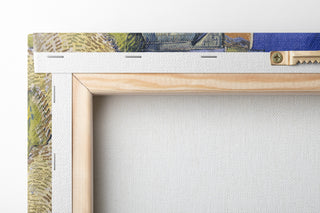
View from behind
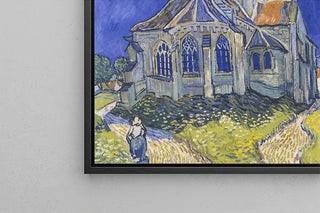
Frame (optional)
Reproduction Portrait of an Old Man - Ludovit Pitthordt – Captivating Introduction
The timeless beauty of the portrait of an old man, created by Ludovit Pitthordt, stands as an iconic work of 19th-century painting. This artwork, which captures the very essence of wisdom and human experience, invites the viewer to immerse themselves in a universe where each wrinkle tells a story. The expression on the face, both melancholic and serene, seems to transcend time, offering a reflection on the passage of life. Through this, the artist manages to establish a silent dialogue between the subject and the observer, an interaction that echoes the universal quest for understanding and empathy.
Style and uniqueness of the work
Ludovit Pitthordt's style is characterized by a remarkable mastery of nuances and textures. In this portrait, the subtly chosen color palette reveals an emotional depth that goes far beyond simple representation. The delicately placed shadows accentuate the facial features, while the soft, diffuse light envelops the subject in an almost mystical aura. This play of light and shadow is a signature of the artist, who knows how to highlight the personality of his models while maintaining an intimate atmosphere. The chiaroscuro technique, employed with such finesse, gives the artwork an almost sculptural dimension, making the old man's face particularly lively and expressive. Every brushstroke seems to be a caress, an attention paid to the fragility of age, and thereby, a celebration of life.
The artist and his influence
Ludovit Pitthordt, born in 1850, is a painter whose work is often associated with the realist tradition. His artistic journey, marked by various influences, testifies to a deep commitment to authentic representation of humanity. Inspired by old masters while incorporating contemporary elements, Pitthordt developed a style that is uniquely his own. His approach to portraiture, in particular, stands out for meticulous attention to detail and an ability to capture the soul of his subjects. Beyond his technique, the artist also played a significant role in the dissemination of art in Sl
Portrait of an Old Man - Ludovit Pitthordt | Art print

-10% FROM €95 IN PURCHASES
-15% FROM €195 IN PURCHASES
Regular price
- Unit price
- by
Free shipping
€4.90 / Free shipping on orders over €39
Satisfied or Money Back
Free returns within 30 days
10-year warranty
Our prints are guaranteed for 10 years
Any questions? We are here!
by email to contact@artemlegrand.com
THE STEPS OF YOUR ORDER

STEP 1 - ORDER PLACED
Your order has been confirmed and we are starting production
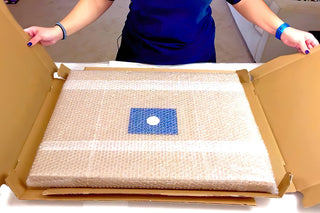
STEP 2 - SHIPPING
We ship your order. We send you an email to track the progress

STEP 3 - DELIVERY
You receive your order. You can also, according to your choice, be delivered to a relay point.
Matte finish
View from behind
Frame (optional)
Reproduction Portrait of an Old Man - Ludovit Pitthordt – Captivating Introduction
The timeless beauty of the portrait of an old man, created by Ludovit Pitthordt, stands as an iconic work of 19th-century painting. This artwork, which captures the very essence of wisdom and human experience, invites the viewer to immerse themselves in a universe where each wrinkle tells a story. The expression on the face, both melancholic and serene, seems to transcend time, offering a reflection on the passage of life. Through this, the artist manages to establish a silent dialogue between the subject and the observer, an interaction that echoes the universal quest for understanding and empathy.
Style and uniqueness of the work
Ludovit Pitthordt's style is characterized by a remarkable mastery of nuances and textures. In this portrait, the subtly chosen color palette reveals an emotional depth that goes far beyond simple representation. The delicately placed shadows accentuate the facial features, while the soft, diffuse light envelops the subject in an almost mystical aura. This play of light and shadow is a signature of the artist, who knows how to highlight the personality of his models while maintaining an intimate atmosphere. The chiaroscuro technique, employed with such finesse, gives the artwork an almost sculptural dimension, making the old man's face particularly lively and expressive. Every brushstroke seems to be a caress, an attention paid to the fragility of age, and thereby, a celebration of life.
The artist and his influence
Ludovit Pitthordt, born in 1850, is a painter whose work is often associated with the realist tradition. His artistic journey, marked by various influences, testifies to a deep commitment to authentic representation of humanity. Inspired by old masters while incorporating contemporary elements, Pitthordt developed a style that is uniquely his own. His approach to portraiture, in particular, stands out for meticulous attention to detail and an ability to capture the soul of his subjects. Beyond his technique, the artist also played a significant role in the dissemination of art in Sl