
Portrait Painting of a Man - Stefan Fodor | Art print


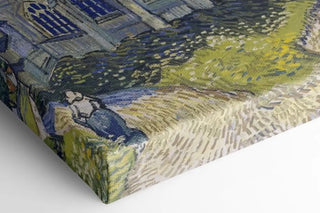
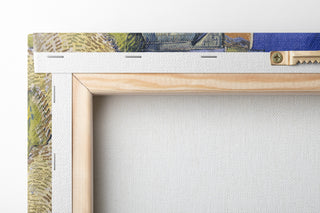
View from behind
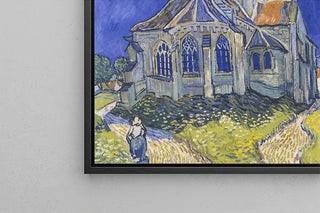
Frame (optional)
Portrait of a man - Stefan Fodor – Captivating introduction
The "Portrait of a man" by Stefan Fodor stands as an emblematic artwork, capturing the very essence of human personality through a painting imbued with mystery and depth. This piece, beyond its simple representation, invites the viewer to delve into the intimacy of its subject. Every brushstroke seems to whisper a story, an emotion, a lived life. The richness of colors, the finesse of details, and the expression on the face reveal a rare artistic sensitivity, capable of transcending time and evoking reflections on the human condition. Contemplating this work, one feels an immediate connection with the model, as if their gaze pierces through us and questions our own existence.
Style and uniqueness of the work
Fodor's style is distinguished by a realistic approach, blended with a subtle touch of impressionism that gives his portraits a lively and dynamic atmosphere. In "Portrait of a man," light plays a predominant role, illuminating the subject's face with a delicacy that accentuates features and emotions. This interplay of shadow and light creates a fascinating depth, making the portrait almost tangible. The texture of the paint, meanwhile, confers a tactile dimension to the piece, encouraging the viewer to explore every detail, from the wrinkles on the forehead to the nuances of the eyes. The color palette chosen by Fodor evokes a certain melancholy, while also revealing an inner strength. This contrast between vulnerability and power makes this portrait a piece of rare intensity, where each element contributes to the visual storytelling.
The artist and his influence
Stefan Fodor, a Hungarian-born artist, has established himself in the art world thanks to his undeniable talent and unique vision. Influenced by the great masters of classical painting, he has adapted their craftsmanship to a contemporary style that is entirely his own. Fodor does not merely reproduce techniques; he reinvents them, merging them with modern elements to create works that appeal both to traditional art enthusiasts and those seeking innovation. His career, marked by exhibitions and awards, testifies to his commitment to art and his desire to reach
Portrait Painting of a Man - Stefan Fodor | Art print

-10% FROM €95 IN PURCHASES
-15% FROM €195 IN PURCHASES
Regular price
- Unit price
- by
Free shipping
€4.90 / Free shipping on orders over €39
Satisfied or Money Back
Free returns within 30 days
10-year warranty
Our prints are guaranteed for 10 years
Any questions? We are here!
by email to contact@artemlegrand.com
THE STEPS OF YOUR ORDER

STEP 1 - ORDER PLACED
Your order has been confirmed and we are starting production
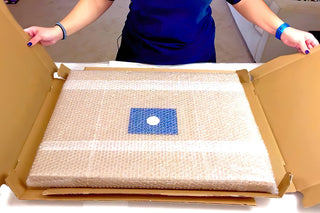
STEP 2 - SHIPPING
We ship your order. We send you an email to track the progress

STEP 3 - DELIVERY
You receive your order. You can also, according to your choice, be delivered to a relay point.
Matte finish
View from behind
Frame (optional)
Portrait of a man - Stefan Fodor – Captivating introduction
The "Portrait of a man" by Stefan Fodor stands as an emblematic artwork, capturing the very essence of human personality through a painting imbued with mystery and depth. This piece, beyond its simple representation, invites the viewer to delve into the intimacy of its subject. Every brushstroke seems to whisper a story, an emotion, a lived life. The richness of colors, the finesse of details, and the expression on the face reveal a rare artistic sensitivity, capable of transcending time and evoking reflections on the human condition. Contemplating this work, one feels an immediate connection with the model, as if their gaze pierces through us and questions our own existence.
Style and uniqueness of the work
Fodor's style is distinguished by a realistic approach, blended with a subtle touch of impressionism that gives his portraits a lively and dynamic atmosphere. In "Portrait of a man," light plays a predominant role, illuminating the subject's face with a delicacy that accentuates features and emotions. This interplay of shadow and light creates a fascinating depth, making the portrait almost tangible. The texture of the paint, meanwhile, confers a tactile dimension to the piece, encouraging the viewer to explore every detail, from the wrinkles on the forehead to the nuances of the eyes. The color palette chosen by Fodor evokes a certain melancholy, while also revealing an inner strength. This contrast between vulnerability and power makes this portrait a piece of rare intensity, where each element contributes to the visual storytelling.
The artist and his influence
Stefan Fodor, a Hungarian-born artist, has established himself in the art world thanks to his undeniable talent and unique vision. Influenced by the great masters of classical painting, he has adapted their craftsmanship to a contemporary style that is entirely his own. Fodor does not merely reproduce techniques; he reinvents them, merging them with modern elements to create works that appeal both to traditional art enthusiasts and those seeking innovation. His career, marked by exhibitions and awards, testifies to his commitment to art and his desire to reach