
Portrait of a gentleman - Genoese School | Art print


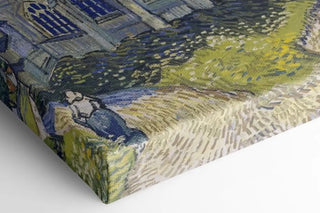
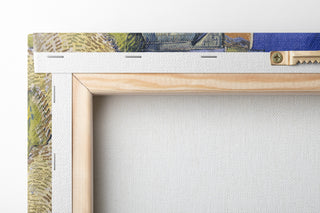
View from behind
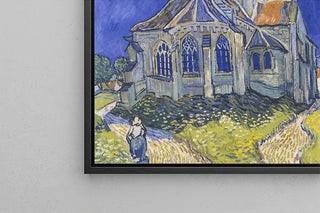
Frame (optional)
In the fascinating world of art, some works stand out for their ability to capture the essence of an era, evoke deep emotions, and create a timeless connection between the viewer and the subject depicted. The "Portrait of a gentleman - Genoese School" is one of these iconic pieces. This painting, echoing the richness of the Genoese artistic tradition, immerses us in the heart of the 17th century, a period when the portrait becomes a true reflection of society and its values. Through a meticulously crafted composition, the piece invites us to discover the mystery and personality of a man whose gaze seems to fixate on us, transcending time and space.
Style and uniqueness of the work
The style of this portrait is emblematic of the Genoese School, characterized by fine detail and a keen sense of light. Delicate shadows and skillfully balanced highlights accentuate the gentleman's features, giving his face a rare expressiveness. The colors, both rich and subtly nuanced, add a vibrant dimension to the work, while the dark background helps focus attention on the main subject. This choice of palette and composition demonstrates remarkable technical mastery, where each element contributes to the overall harmony of the piece. The artist thus manages to create an atmosphere that is both intimate and solemn, inviting the viewer to ponder the identity and story of this man.
The artist and their influence
The identity of the artist behind the "Portrait of a gentleman - Genoese School" often remains shrouded in mystery, but their influence on the art of the period is undeniable. Genoese artists, often trained in Florentine or Roman workshops, bring a unique sensitivity to their work, blending Italian traditions with local specificities. This stylistic fusion is evident in how the portraits are created, combining realism and idealization. Genoese portraits, like this one, are often testimonials of social status, but they go beyond mere physical representation. They tell stories, evoke emotions, and reflect the aspirations of the individuals who commissioned them.
Portrait of a gentleman - Genoese School | Art print

-10% FROM €95 IN PURCHASES
-15% FROM €195 IN PURCHASES
Regular price
- Unit price
- per
Tax included.
Free shipping
€4.90 / Free shipping on orders over €39
Satisfied or Money Back
Free returns within 30 days
10-year warranty
Our prints are guaranteed for 10 years
Any questions? We are here!
by email to contact@artemlegrand.com
THE STEPS OF YOUR ORDER

STEP 1 - ORDER PLACED
Your order has been confirmed and we are starting production
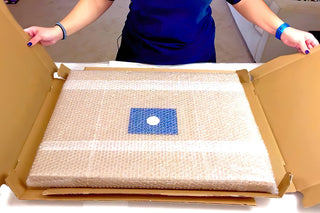
STEP 2 - SHIPPING
We ship your order. We send you an email to track the progress

STEP 3 - DELIVERY
You receive your order. You can also, according to your choice, be delivered to a relay point.
Matte finish
View from behind
Frame (optional)
In the fascinating world of art, some works stand out for their ability to capture the essence of an era, evoke deep emotions, and create a timeless connection between the viewer and the subject depicted. The "Portrait of a gentleman - Genoese School" is one of these iconic pieces. This painting, echoing the richness of the Genoese artistic tradition, immerses us in the heart of the 17th century, a period when the portrait becomes a true reflection of society and its values. Through a meticulously crafted composition, the piece invites us to discover the mystery and personality of a man whose gaze seems to fixate on us, transcending time and space.
Style and uniqueness of the work
The style of this portrait is emblematic of the Genoese School, characterized by fine detail and a keen sense of light. Delicate shadows and skillfully balanced highlights accentuate the gentleman's features, giving his face a rare expressiveness. The colors, both rich and subtly nuanced, add a vibrant dimension to the work, while the dark background helps focus attention on the main subject. This choice of palette and composition demonstrates remarkable technical mastery, where each element contributes to the overall harmony of the piece. The artist thus manages to create an atmosphere that is both intimate and solemn, inviting the viewer to ponder the identity and story of this man.
The artist and their influence
The identity of the artist behind the "Portrait of a gentleman - Genoese School" often remains shrouded in mystery, but their influence on the art of the period is undeniable. Genoese artists, often trained in Florentine or Roman workshops, bring a unique sensitivity to their work, blending Italian traditions with local specificities. This stylistic fusion is evident in how the portraits are created, combining realism and idealization. Genoese portraits, like this one, are often testimonials of social status, but they go beyond mere physical representation. They tell stories, evoke emotions, and reflect the aspirations of the individuals who commissioned them.
12,34 €