
Portrait of Antoine Vollon sitting at his easel - Édouard-Jacques Dufeu | Art print


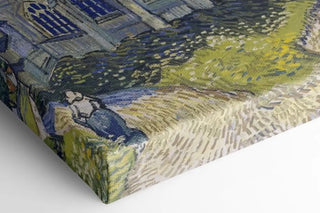
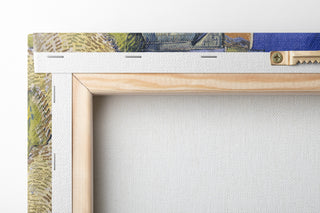
View from behind
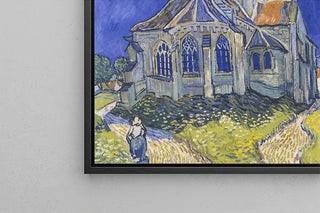
Frame (optional)
In the world of art, every piece tells a story, an emotion, a encounter. The art print Portrait of Antoine Vollon sitting at his easel - Édouard-Jacques Dufeu is no exception. It immerses us in the intimate universe of painter Antoine Vollon, a man whose intense gaze and thoughtful posture are captured with remarkable finesse. This portrait, both personal and universal, invites us to explore the thoughts and aspirations of an artist in the midst of the creative process. The scene depicts a suspended moment in time, where the artist seems to lose himself in the contemplation of his work, while being observed by the viewer. It is an invitation to reflect on the role of art and the artist in society.
Style and uniqueness of the work
Dufeu's style in this piece is characterized by a realistic approach, where every detail is carefully considered. The play of light and shadow gives an unprecedented depth to the portrait, making the atmosphere of the studio almost palpable. The chosen color palette, both sober and warm, evokes the serenity of the creative space. The textures of the clothing and the easel are rendered with such precision that they seem almost tangible. What makes this art print unique is the way Dufeu manages to capture not only the physical appearance of Vollon but also his essence, his artist's soul. This portrait is more than a simple representation; it is an exploration of the passion and devotion that animate every creator.
The artist and his influence
Édouard-Jacques Dufeu, whose name may seem less known than that of his contemporaries, nonetheless played a vital role in the 19th-century art scene. Influenced by the great masters of his time, he developed a distinctive style that combines realism and sensitivity. Dufeu absorbed the artistic currents surrounding him, while adding a personal and emotional touch to his works. His interactions with other artists of the period, notably through artist circles and salons, allowed his
Portrait of Antoine Vollon sitting at his easel - Édouard-Jacques Dufeu | Art print
-10% FROM €95 IN PURCHASES
-15% FROM €195 IN PURCHASES
Regular price
- Unit price
- by
Free shipping
€4.90 / Free shipping on orders over €39
Satisfied or Money Back
Free returns within 30 days
10-year warranty
Our prints are guaranteed for 10 years
Any questions? We are here!
by email to contact@artemlegrand.com
THE STEPS OF YOUR ORDER
STEP 1 - ORDER PLACED
Your order has been confirmed and we are starting production
STEP 2 - SHIPPING
We ship your order. We send you an email to track the progress
STEP 3 - DELIVERY
You receive your order. You can also, according to your choice, be delivered to a relay point.
Matte finish
View from behind
Frame (optional)
In the world of art, every piece tells a story, an emotion, a encounter. The art print Portrait of Antoine Vollon sitting at his easel - Édouard-Jacques Dufeu is no exception. It immerses us in the intimate universe of painter Antoine Vollon, a man whose intense gaze and thoughtful posture are captured with remarkable finesse. This portrait, both personal and universal, invites us to explore the thoughts and aspirations of an artist in the midst of the creative process. The scene depicts a suspended moment in time, where the artist seems to lose himself in the contemplation of his work, while being observed by the viewer. It is an invitation to reflect on the role of art and the artist in society.
Style and uniqueness of the work
Dufeu's style in this piece is characterized by a realistic approach, where every detail is carefully considered. The play of light and shadow gives an unprecedented depth to the portrait, making the atmosphere of the studio almost palpable. The chosen color palette, both sober and warm, evokes the serenity of the creative space. The textures of the clothing and the easel are rendered with such precision that they seem almost tangible. What makes this art print unique is the way Dufeu manages to capture not only the physical appearance of Vollon but also his essence, his artist's soul. This portrait is more than a simple representation; it is an exploration of the passion and devotion that animate every creator.
The artist and his influence
Édouard-Jacques Dufeu, whose name may seem less known than that of his contemporaries, nonetheless played a vital role in the 19th-century art scene. Influenced by the great masters of his time, he developed a distinctive style that combines realism and sensitivity. Dufeu absorbed the artistic currents surrounding him, while adding a personal and emotional touch to his works. His interactions with other artists of the period, notably through artist circles and salons, allowed his