
Painting Portrait of a Woman - Stefan Fodor | Art print


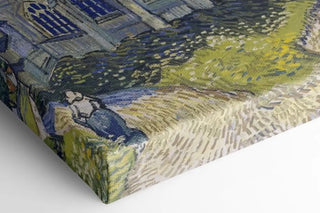
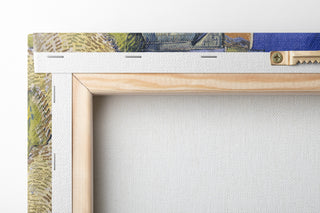
View from behind
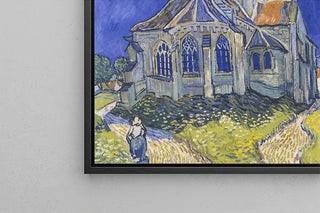
Frame (optional)
Portrait of a woman - Stefan Fodor – Captivating introduction
In the vast panorama of art history, certain works stand out for their ability to capture the very essence of humanity. The "Portrait of a woman" by Stefan Fodor is one of those creations that transcends the simple frame of painting to become a true exploration of human emotions. This piece, both intimate and universal, invites the viewer to reflect on the female condition and timeless beauty. Contemplating this portrait transports us to a world where each brushstroke tells a story, where every exchanged glance between the subject and the observer becomes a bridge to a deeper understanding of the human soul.
Style and uniqueness of the work
Stefan Fodor's style is characterized by remarkable finesse and meticulous attention to detail. In "Portrait of a woman," he manages to blend realism and impressionism, creating an atmosphere that is both lively and dreamlike. The chosen colors, delicate and nuanced, evoke a palette of feelings, ranging from melancholy to serenity. The woman's face, with features gently modeled, seems to vibrate with its own life, as if it could come alive at any moment. Fodor succeeds in capturing not only the physical appearance of his subject but also a psychological depth that fosters an immediate emotional connection. This portrait does not merely depict a woman; it reveals her essence, strength, and vulnerability, while leaving room for the viewer's imagination.
The artist and his influence
Stefan Fodor, a Hungarian-born artist, has established himself on the artistic scene thanks to his unique style and bold vision. Influenced by the great masters of painting, he has reinterpreted classical codes while adding his personal touch. Fodor has always been fascinated by the representation of the human body and the emotions that accompany it. His work is marked by an unceasing quest for beauty and truth, which has allowed him to reach a broad audience. By focusing particularly on the female figure, he has contributed to redefining the role of women in art, offering a vision that goes
Painting Portrait of a Woman - Stefan Fodor | Art print

-10% FROM €95 IN PURCHASES
-15% FROM €195 IN PURCHASES
Regular price
- Unit price
- by
Free shipping
€4.90 / Free shipping on orders over €39
Satisfied or Money Back
Free returns within 30 days
10-year warranty
Our prints are guaranteed for 10 years
Any questions? We are here!
by email to contact@artemlegrand.com
THE STEPS OF YOUR ORDER

STEP 1 - ORDER PLACED
Your order has been confirmed and we are starting production
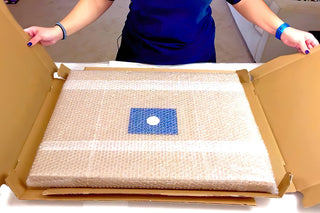
STEP 2 - SHIPPING
We ship your order. We send you an email to track the progress

STEP 3 - DELIVERY
You receive your order. You can also, according to your choice, be delivered to a relay point.
Matte finish
View from behind
Frame (optional)
Portrait of a woman - Stefan Fodor – Captivating introduction
In the vast panorama of art history, certain works stand out for their ability to capture the very essence of humanity. The "Portrait of a woman" by Stefan Fodor is one of those creations that transcends the simple frame of painting to become a true exploration of human emotions. This piece, both intimate and universal, invites the viewer to reflect on the female condition and timeless beauty. Contemplating this portrait transports us to a world where each brushstroke tells a story, where every exchanged glance between the subject and the observer becomes a bridge to a deeper understanding of the human soul.
Style and uniqueness of the work
Stefan Fodor's style is characterized by remarkable finesse and meticulous attention to detail. In "Portrait of a woman," he manages to blend realism and impressionism, creating an atmosphere that is both lively and dreamlike. The chosen colors, delicate and nuanced, evoke a palette of feelings, ranging from melancholy to serenity. The woman's face, with features gently modeled, seems to vibrate with its own life, as if it could come alive at any moment. Fodor succeeds in capturing not only the physical appearance of his subject but also a psychological depth that fosters an immediate emotional connection. This portrait does not merely depict a woman; it reveals her essence, strength, and vulnerability, while leaving room for the viewer's imagination.
The artist and his influence
Stefan Fodor, a Hungarian-born artist, has established himself on the artistic scene thanks to his unique style and bold vision. Influenced by the great masters of painting, he has reinterpreted classical codes while adding his personal touch. Fodor has always been fascinated by the representation of the human body and the emotions that accompany it. His work is marked by an unceasing quest for beauty and truth, which has allowed him to reach a broad audience. By focusing particularly on the female figure, he has contributed to redefining the role of women in art, offering a vision that goes