
Art print of a ship at high sea caught in a gust of wind - Willem van de Velde the Younger | Art print


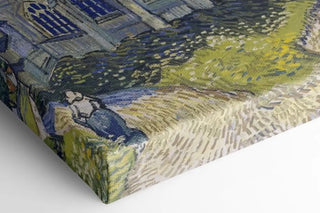
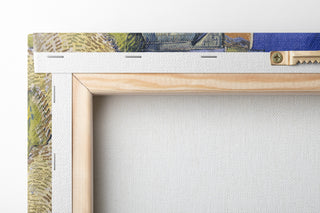
View from behind
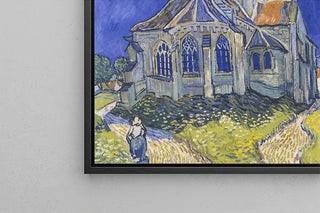
Frame (optional)
In the fascinating world of maritime painting, "A ship at sea caught in a gust of wind" by Willem van de Velde the Younger stands out for its intensity and technical mastery. This artwork, which evokes the power and beauty of the sea, transports the viewer to a moment of dramatic tension, where the elements run wild. The painting, both dynamic and poetic, captures a fleeting instant of maritime life, revealing the artist's skill in conveying raw emotion from nature. As you contemplate this scene, you can almost hear the roar of the wind and the crash of the waves—a truly immersive experience that reminds us of the ocean's untamable force.
Style and uniqueness of the work
Willem van de Velde the Younger's style is characterized by striking realism and meticulous attention to detail. In this piece, the depiction of swirling clouds and tumultuous waves demonstrates his ability to render the sea as both majestic and threatening. The shades of blue, gray, and white blend harmoniously to create an atmosphere that is both dramatic and soothing. Every brushstroke seems charged with energy, conveying the movement and fluidity of the water. The composition, centered on the ship battling the elements, evokes a sense of struggle and resilience, inviting the viewer to reflect on the relationship between man and nature. This work perfectly illustrates the art of Dutch maritime painting of the 17th century, where realism and emotion come together to bring maritime scenes to life with great intensity.
The artist and his influence
Willem van de Velde the Younger, son of Willem van de Velde the Elder, established himself as one of the masters of maritime painting. His career, marked by travels and encounters with sailors and captains, allowed him to develop an in-depth knowledge of the sea and its mysteries. He was able to capture not only the appearance of ships but also the very essence of life at sea. His influence continues to be felt in the realm of maritime art.
Art print of a ship at high sea caught in a gust of wind - Willem van de Velde the Younger | Art print

-10% FROM €95 IN PURCHASES
-15% FROM €195 IN PURCHASES
Regular price
- Unit price
- by
Free shipping
€4.90 / Free shipping on orders over €39
Satisfied or Money Back
Free returns within 30 days
10-year warranty
Our prints are guaranteed for 10 years
Any questions? We are here!
by email to contact@artemlegrand.com
THE STEPS OF YOUR ORDER

STEP 1 - ORDER PLACED
Your order has been confirmed and we are starting production
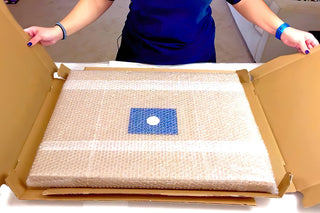
STEP 2 - SHIPPING
We ship your order. We send you an email to track the progress

STEP 3 - DELIVERY
You receive your order. You can also, according to your choice, be delivered to a relay point.
Matte finish
View from behind
Frame (optional)
In the fascinating world of maritime painting, "A ship at sea caught in a gust of wind" by Willem van de Velde the Younger stands out for its intensity and technical mastery. This artwork, which evokes the power and beauty of the sea, transports the viewer to a moment of dramatic tension, where the elements run wild. The painting, both dynamic and poetic, captures a fleeting instant of maritime life, revealing the artist's skill in conveying raw emotion from nature. As you contemplate this scene, you can almost hear the roar of the wind and the crash of the waves—a truly immersive experience that reminds us of the ocean's untamable force.
Style and uniqueness of the work
Willem van de Velde the Younger's style is characterized by striking realism and meticulous attention to detail. In this piece, the depiction of swirling clouds and tumultuous waves demonstrates his ability to render the sea as both majestic and threatening. The shades of blue, gray, and white blend harmoniously to create an atmosphere that is both dramatic and soothing. Every brushstroke seems charged with energy, conveying the movement and fluidity of the water. The composition, centered on the ship battling the elements, evokes a sense of struggle and resilience, inviting the viewer to reflect on the relationship between man and nature. This work perfectly illustrates the art of Dutch maritime painting of the 17th century, where realism and emotion come together to bring maritime scenes to life with great intensity.
The artist and his influence
Willem van de Velde the Younger, son of Willem van de Velde the Elder, established himself as one of the masters of maritime painting. His career, marked by travels and encounters with sailors and captains, allowed him to develop an in-depth knowledge of the sea and its mysteries. He was able to capture not only the appearance of ships but also the very essence of life at sea. His influence continues to be felt in the realm of maritime art.